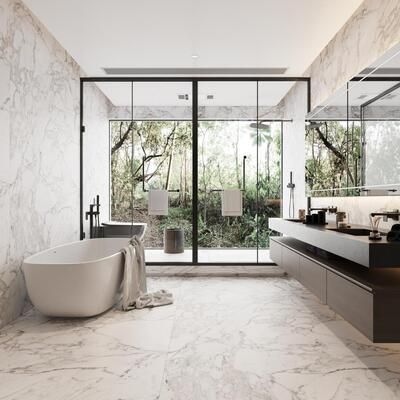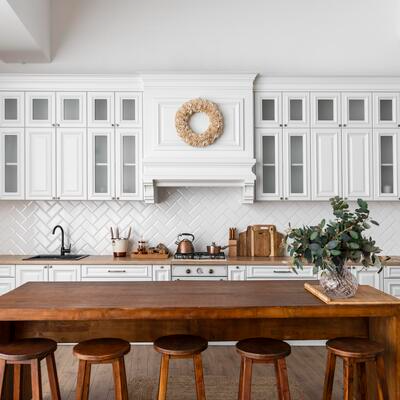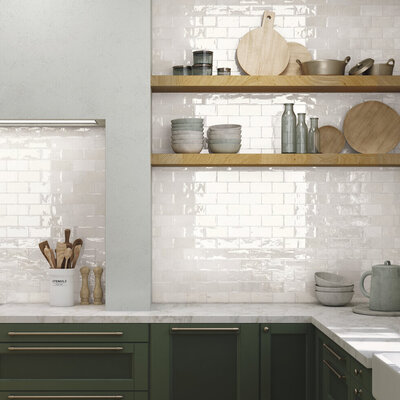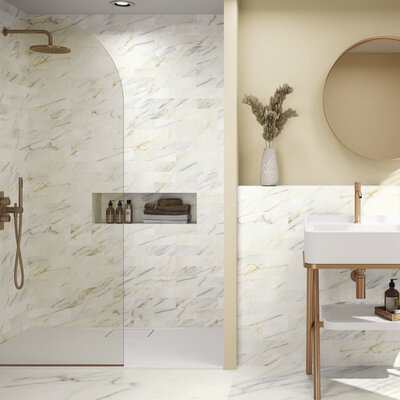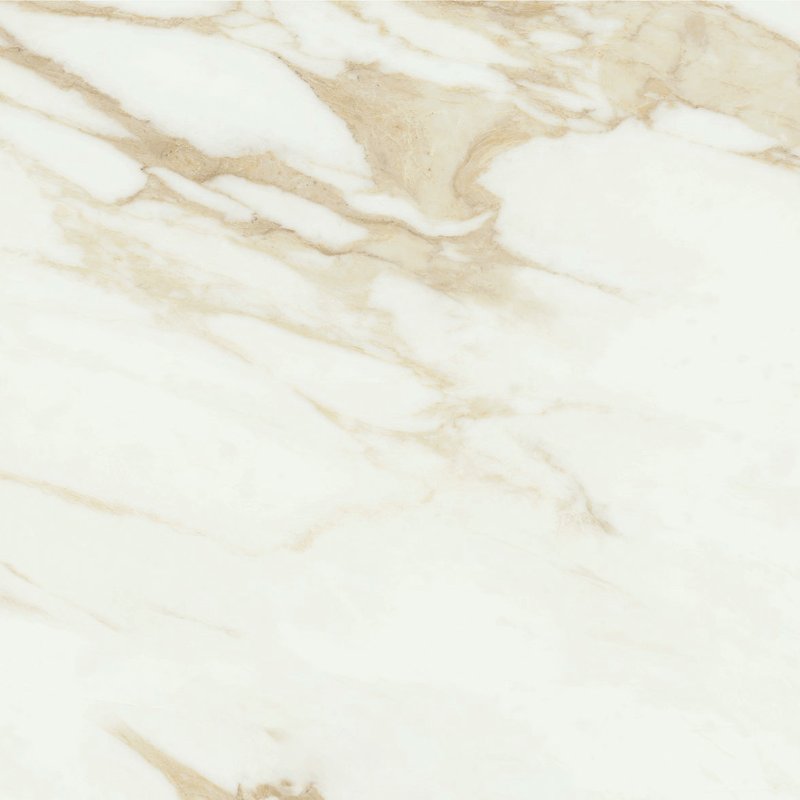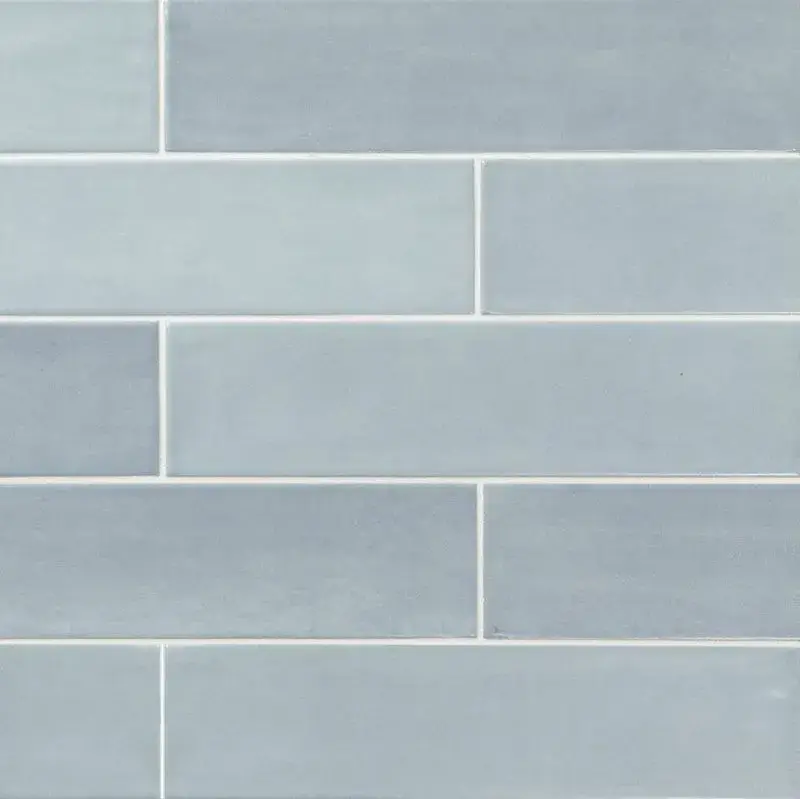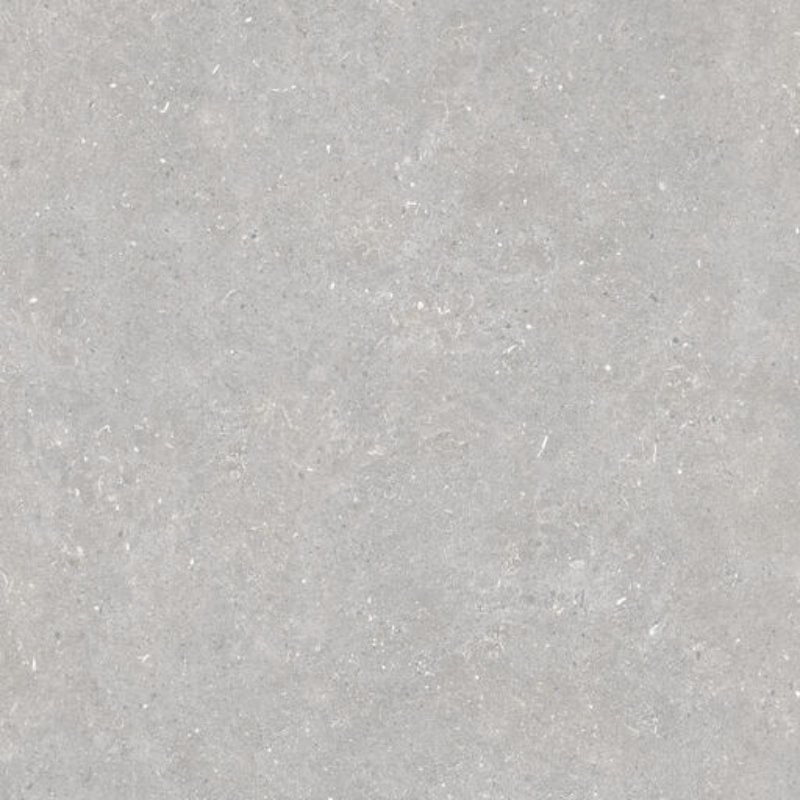



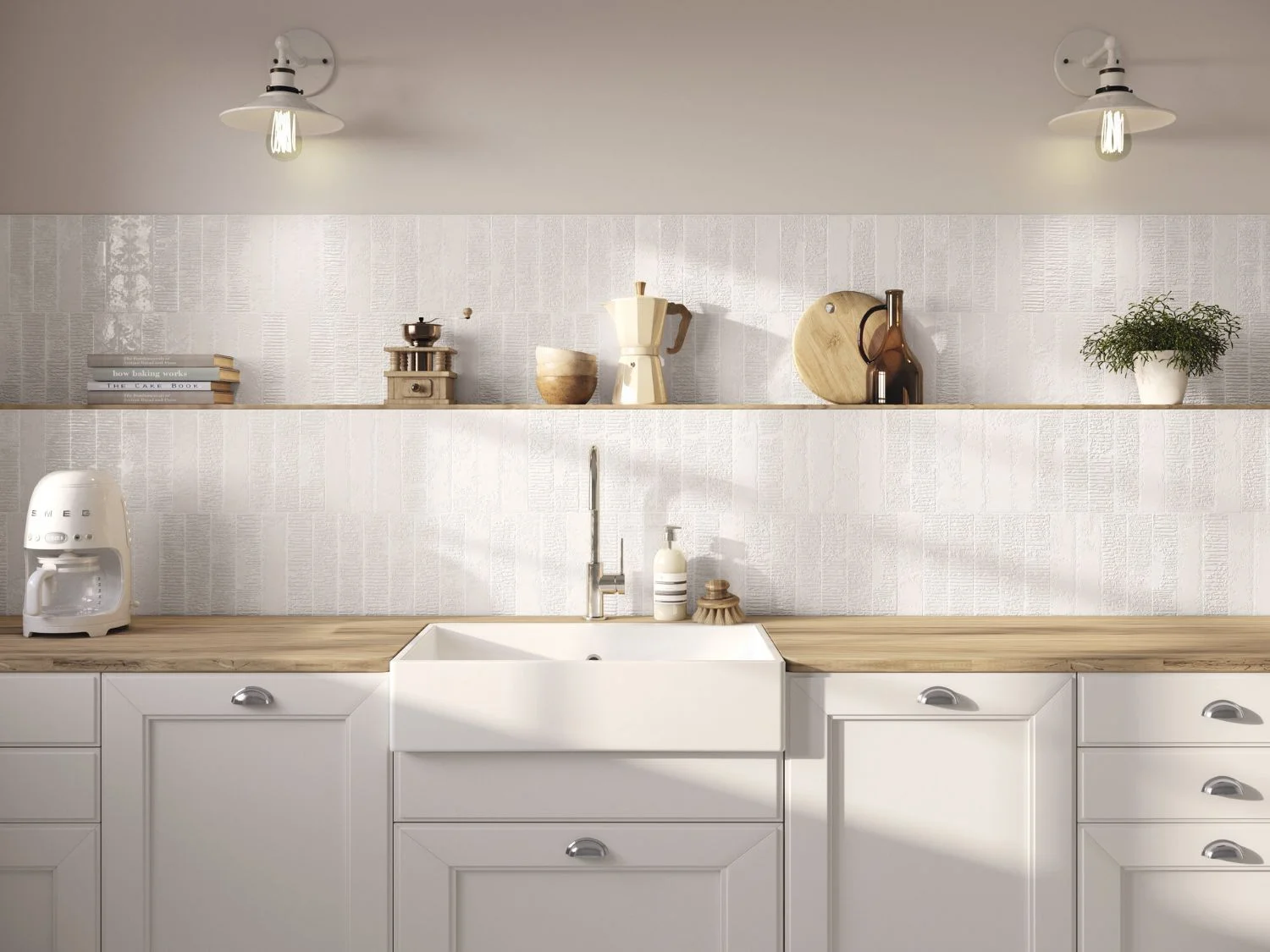
When it comes to choosing tiles, understanding the difference between floor and wall tile is essential—not just for style, but for safety, longevity, and performance. Let’s dive into when to use each, why they matter, and how to pick the right tile for your space.
What Makes Floor Tiles and Wall Tiles Different?
Durability & Strength
-
Floor tiles are built to withstand heavy foot traffic, furniture, and the weight of appliances. They’re thicker and denser, often with a PEI rating of 3–5, indicating high wear resistance
-
Wall tiles are designed for vertical use and aren’t meant to endure pressure or impact. They’re lighter, thinner, and usually rated PEI 0–2, sufficient for walls and backsplashes .
Slip Resistance & Texture
-
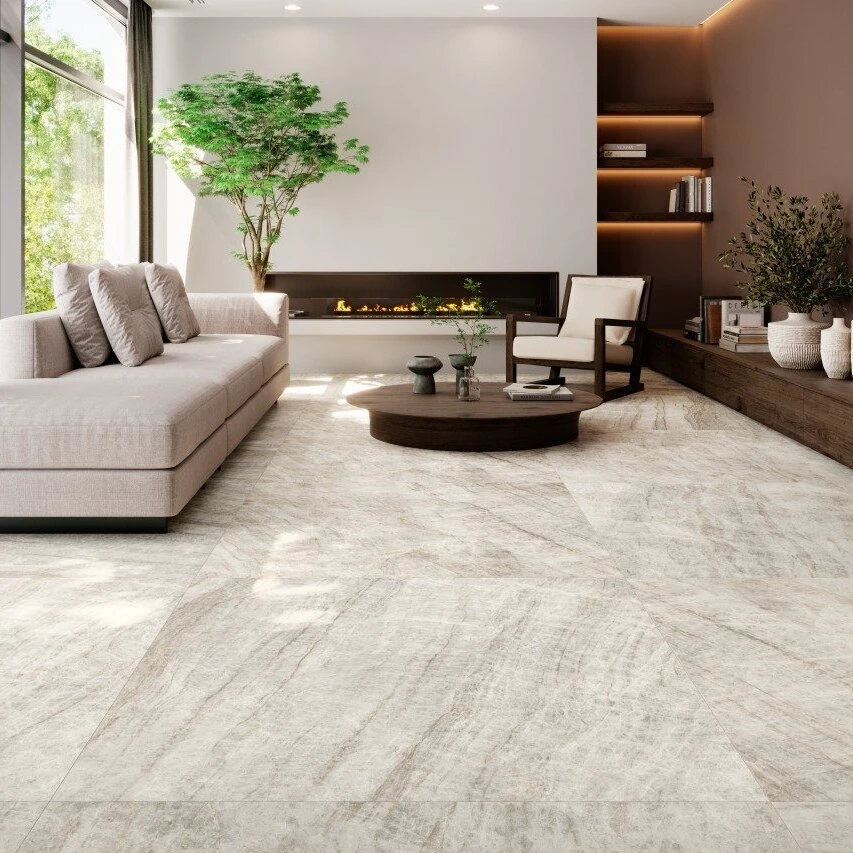
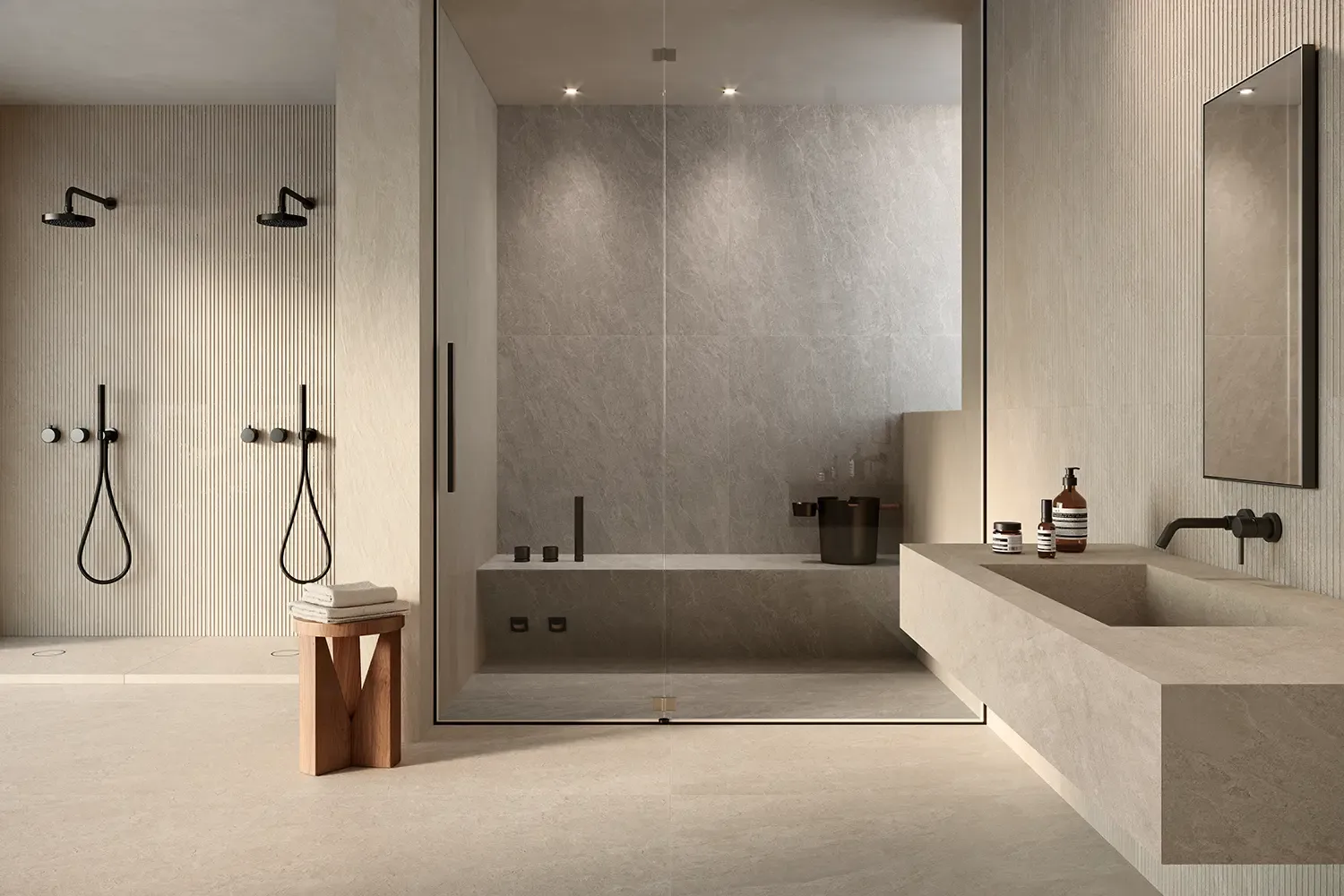
Floor tiles feature textured or matte surfaces and are tested for Dynamic Coefficient of Friction (DCOF)—often ≥0.42—to ensure traction and prevent slipping
-
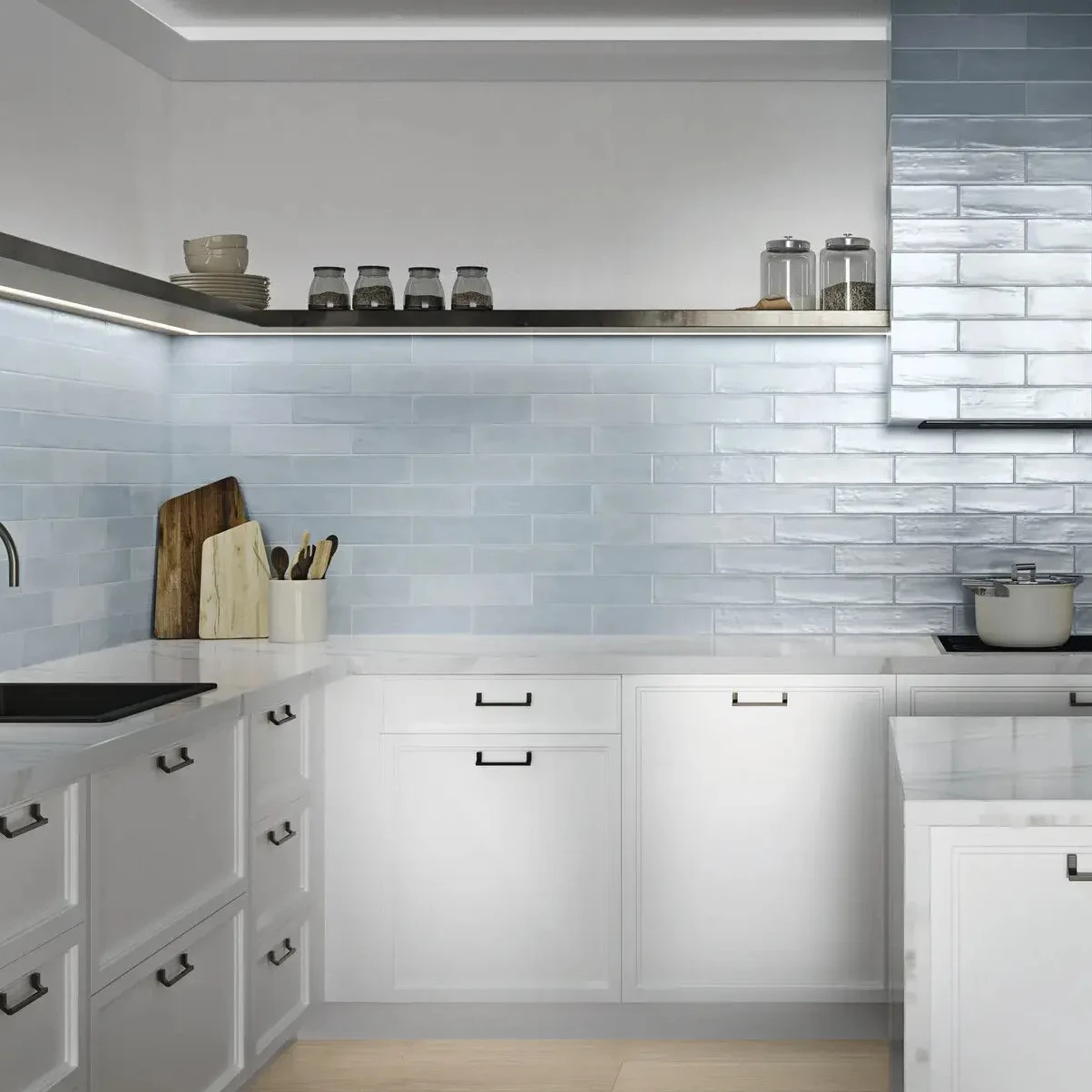
Wall tiles are smoother and often glossy—perfect for easy cleaning and aesthetic appeal, but too slippery for floors, especially when wet.
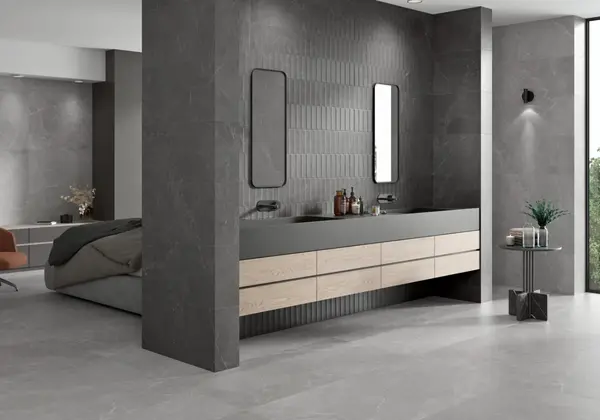
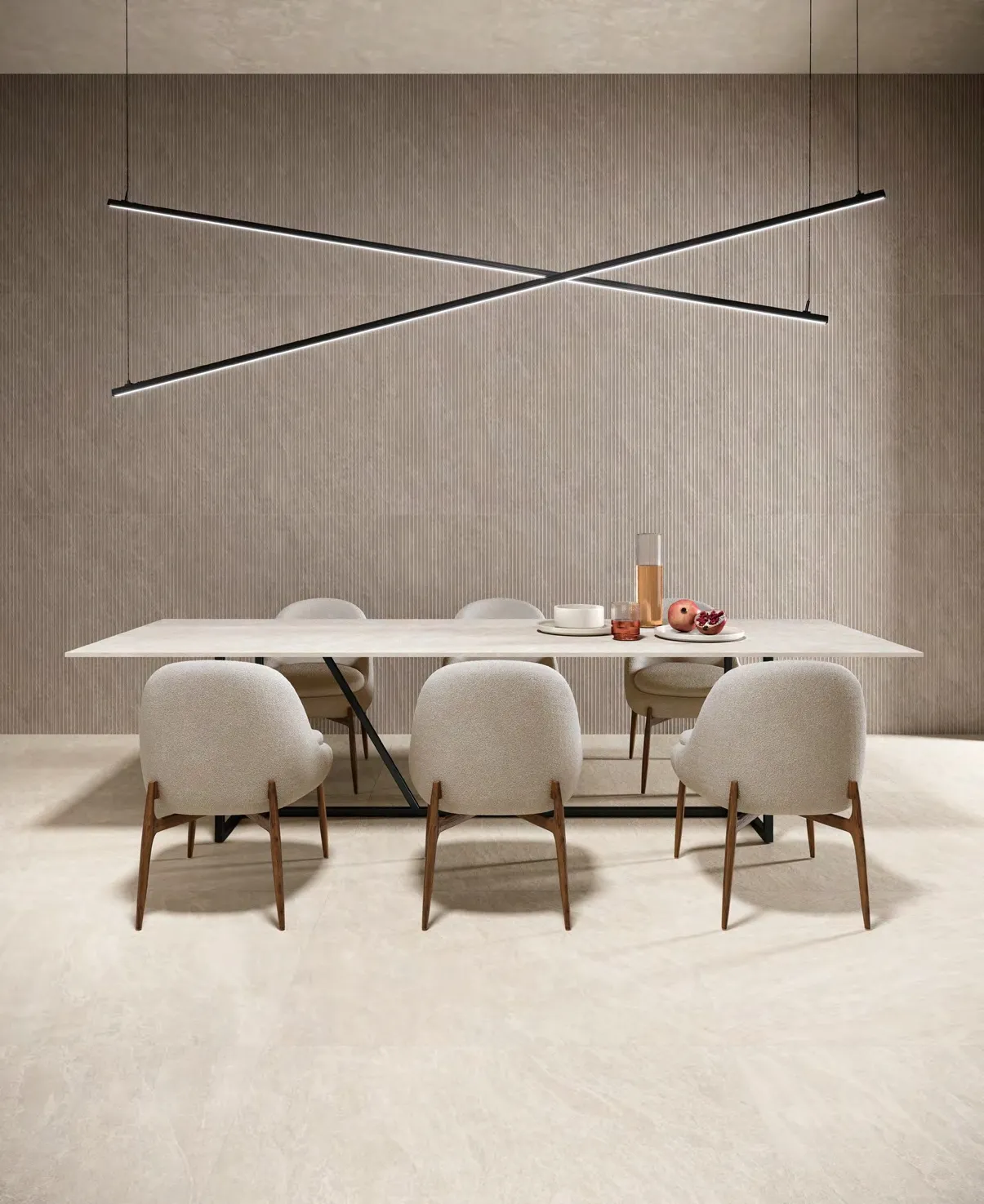 Featured: Deep Stone Taupe Peak Matte 24×48
Size & Format
-
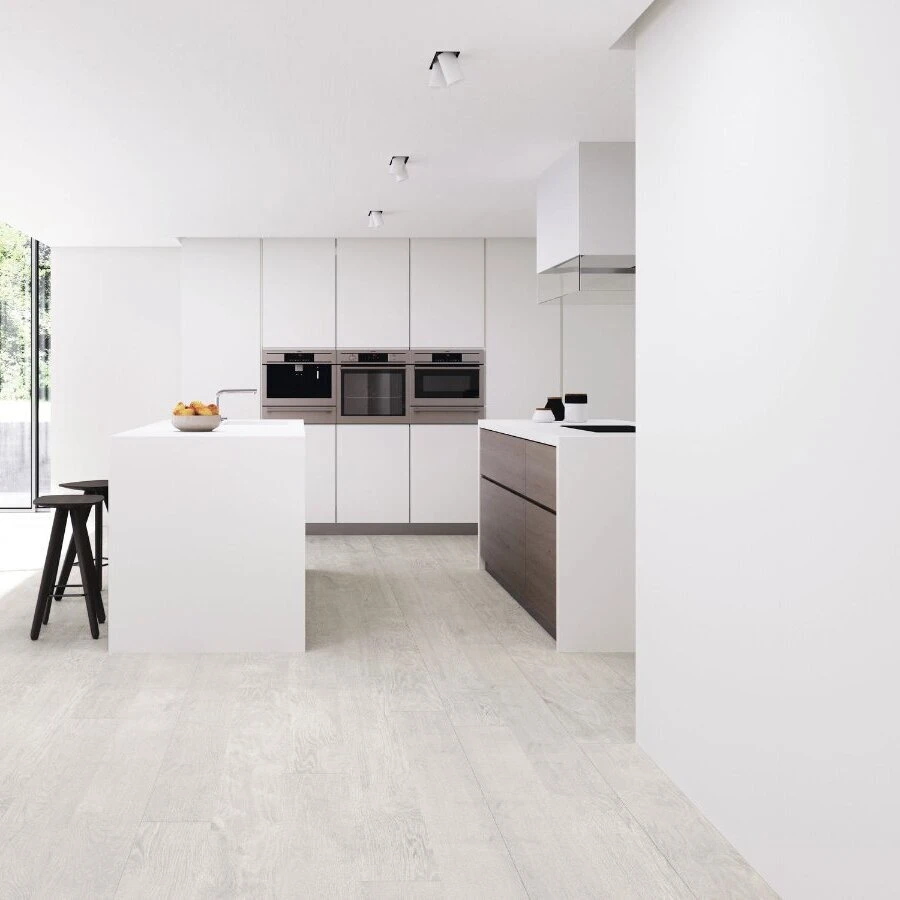
Floor tiles tend to be larger formats (12×12″, 24×24″, or more) to minimize grout lines and improve performance
-
Wall tiles come in smaller sizes, mosaic scales, or decorative panels to add visual interest and manageability.
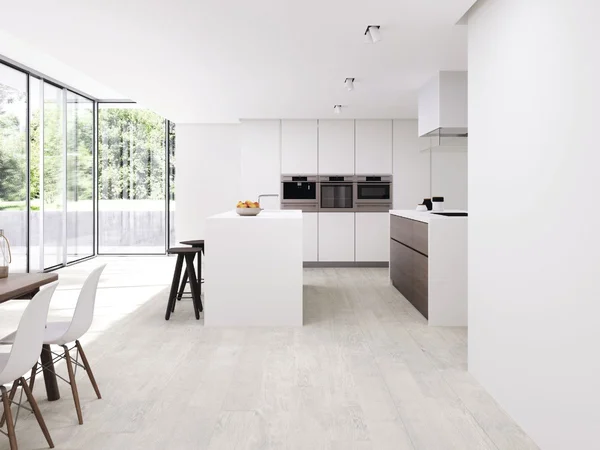
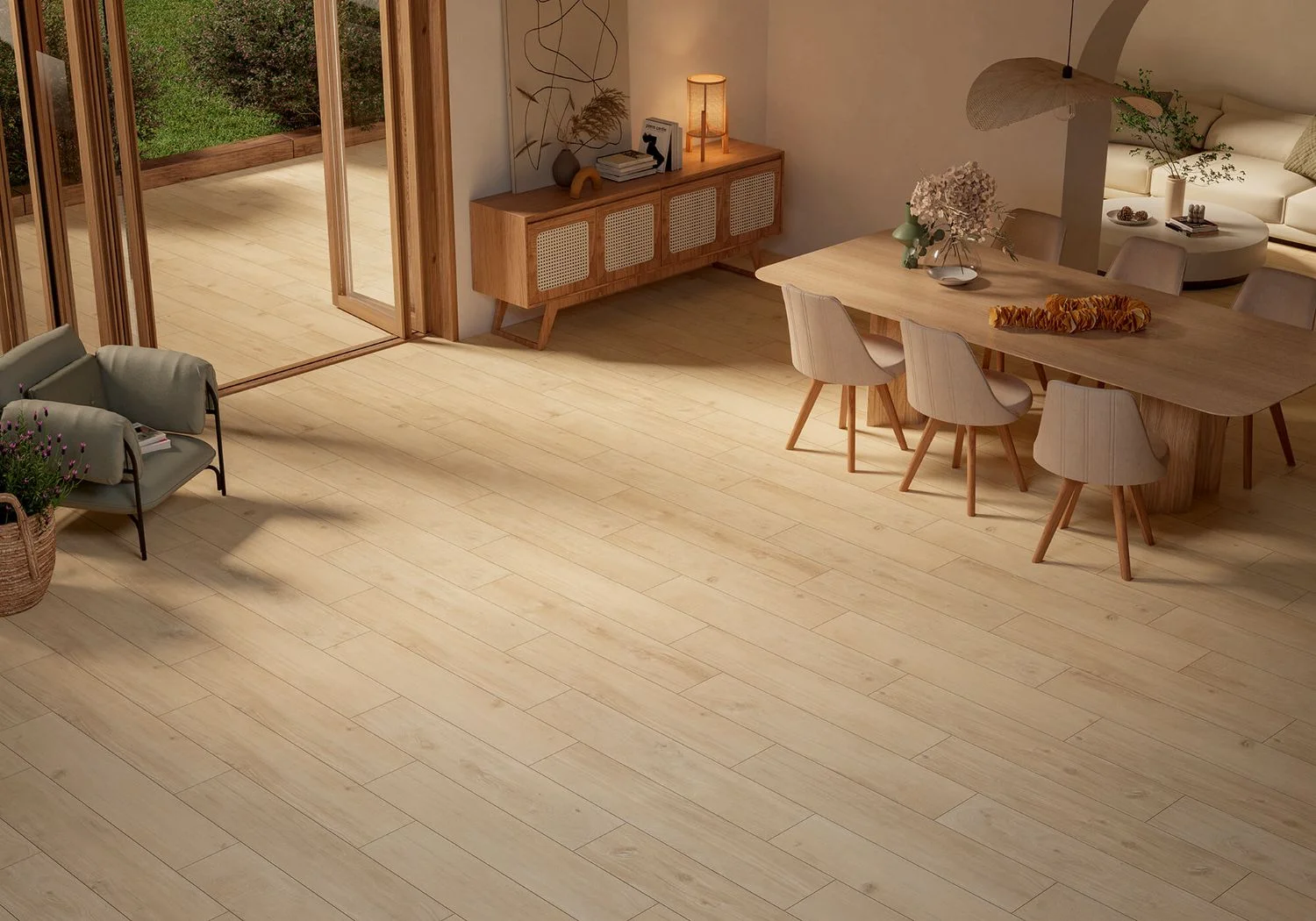 Featured: Michigan Maple Matte 8×48
Cut & Thickness
-
Wall tiles may be thinner (<0.25″) to reduce weight; floor tiles are thicker (up to 0.5″+) for load-bearing strength
-
Floor tiles often use sturdy body types like porcelain or vitrified porcelain—denser than many wall ceramics.
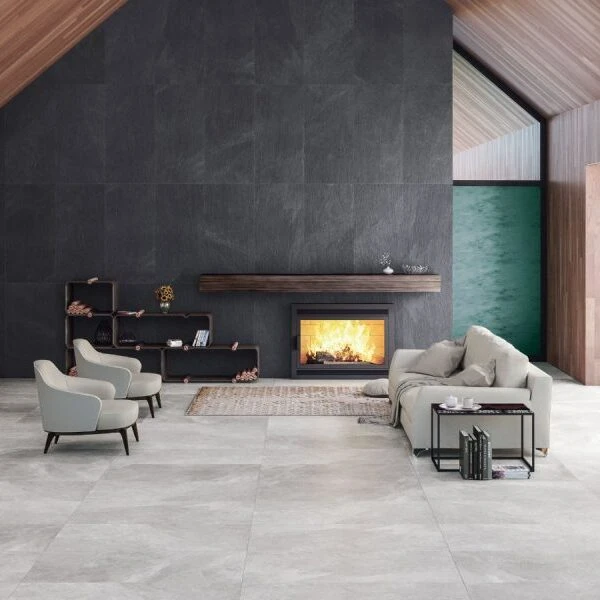
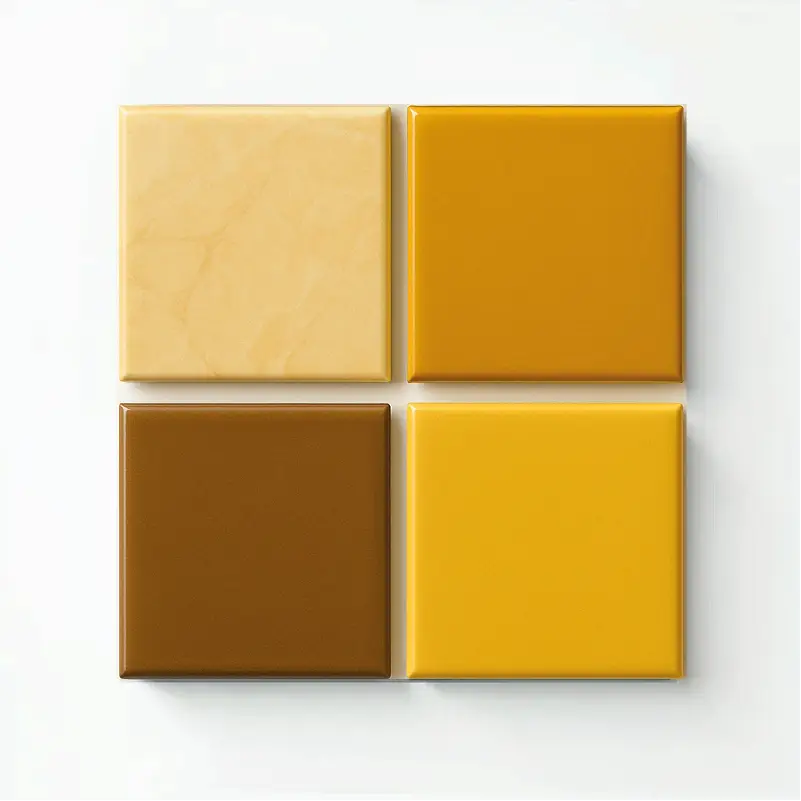
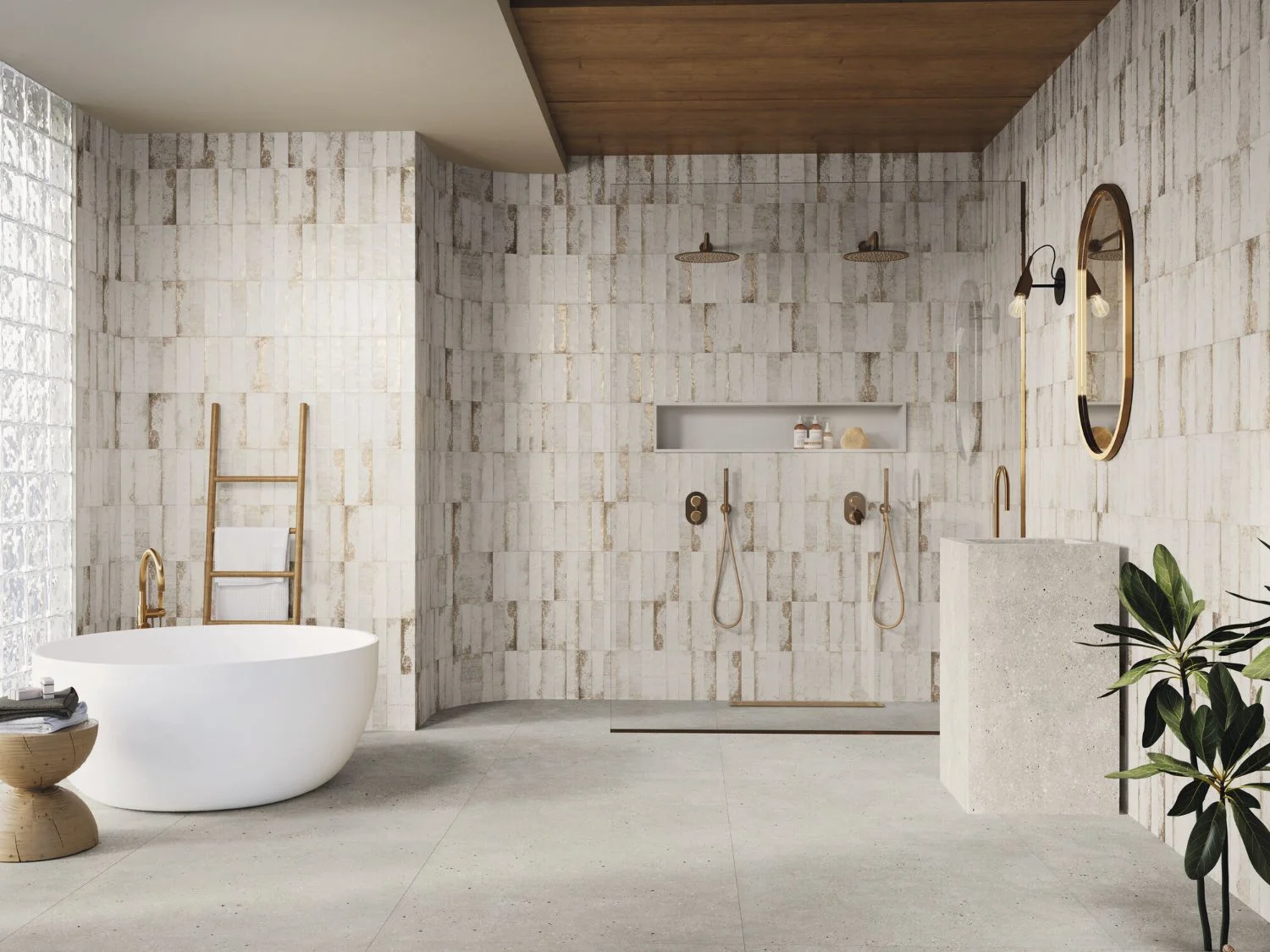 Featured: Magnetism White Matte 2.5×10
Maintenance & Cleaning Needs
-
Floor tiles endure more mess—think foot traffic, spills, furniture movement. They require stronger glaze, deeper grout lines, and durable sealers.
-
Wall tiles—being out of harm’s way—can prioritize visual texture and easier-to-clean surfaces over durability.
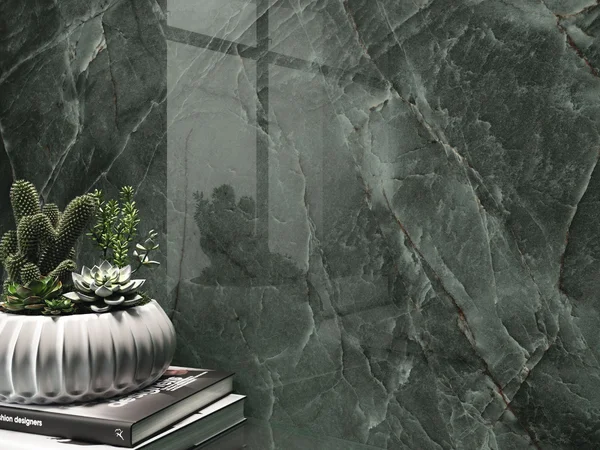
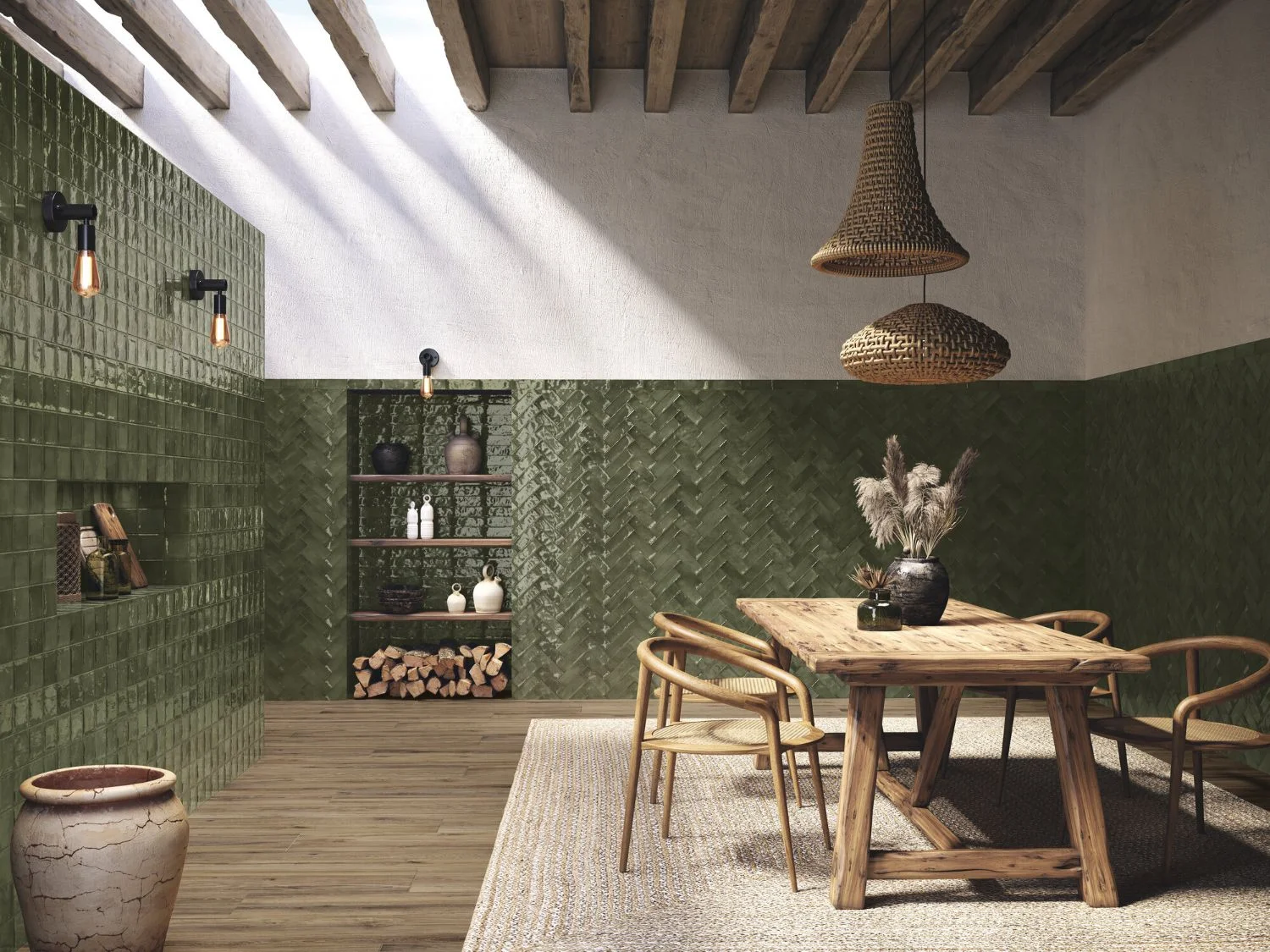 Featured: Seville Green Glossy 2.5×8
So… What Should You Choose?
-
Use floor tile on the floor: It’s engineered for safety, wear, and everyday use.
-
Use wall tile on the wall: It offers better design and cost-efficiency for vertical surfaces.
-
Can a floor tile be used as wall tile? Yes—in most cases. Floor tiles generally exceed wall requirements, so installing them on walls is perfectly fine
-
Should you use wall tiles on floors? Never. They lack the strength and slip resistance needed for floors.
Final Thoughts
Choose your tiles based on function first—floor tiles for floors, wall tiles for walls. This ensures safety, durability, and satisfaction over the long term. Mixing them smartly—like using textured floor tiles on a bathroom floor and glossy wall tiles on walls—lets you balance practicality with visual style.
Shop Floor & Wall Tile at Tile Decor
Whether you’re remodeling a bathroom, updating your kitchen backsplash, or tiling a high-traffic hallway, Tile Decor has the perfect tile for your project. Our curated collection includes durable, stylish floor tiles designed to handle daily wear — and lightweight, eye-catching wall tiles that bring any vertical space to life. Explore hundreds of options in porcelain, ceramic, natural stone, and more — all with easy sample ordering and expert support.
Common FAQs
Can I use large-format tiles on walls?
Yes, but ensure the wall structure and adhesive can support their weight—thick wall tiles may need reinforcement .
Are porcelain tiles suitable for both floors and walls?
Many porcelain tiles are rated for dual use. Just confirm the PEI rating and thickness depending on whether it’s for high-traffic floors or decorative walls.
Why are wall tiles glossy more often?
Glossy wall tiles enhance color and are easier to wipe clean, making them ideal for bathrooms and backsplashes—but they’re too slippery for floors.
What PEI rating is needed for bathroom floors?
Aim for PEI 3 or higher, with DCOF ≥0.42 for safe traction in wet areas.