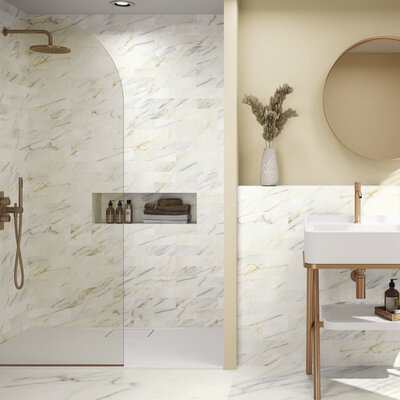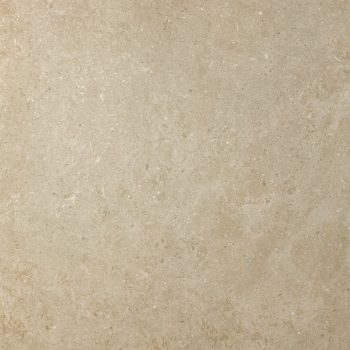




If you’ve ever been captivated by the timeless beauty of travertine—its warm earth tones, natural texture, and old-world charm—you know why it graces luxury homes and historic landmarks. But real travertine isn’t without its drawbacks: it’s heavy, porous, expensive, and needs regular sealing. That’s where travertine-look tile steps in—offering the same visual elegance with modern performance and convenience.
In this guide, we’ll dive into what makes travertine-look tile so compelling: from its durable design and realistic visuals to smart cost savings and practical maintenance. Let’s explore why it could be the perfect surface solution for your next project.
What Is Travertine-Look Tile?
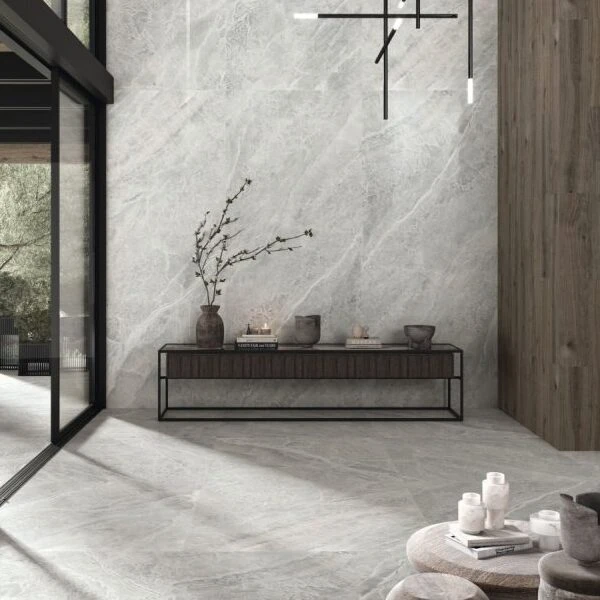
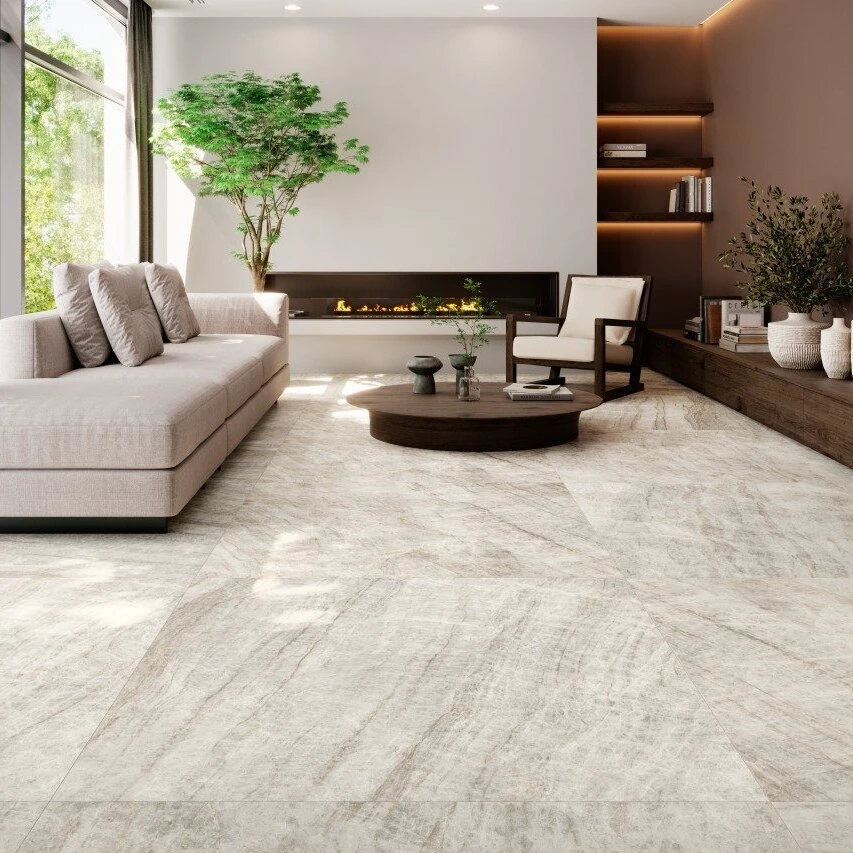
Travertine-look tile, usually made from porcelain or ceramic, replicates the distinctive color variations, veining, and softer texture of natural travertine. Unlike natural stone, these tiles are precision-crafted—with consistent finish and minimal “pitting”—that offer a fool‑proof way to recreate that classic aesthetic.
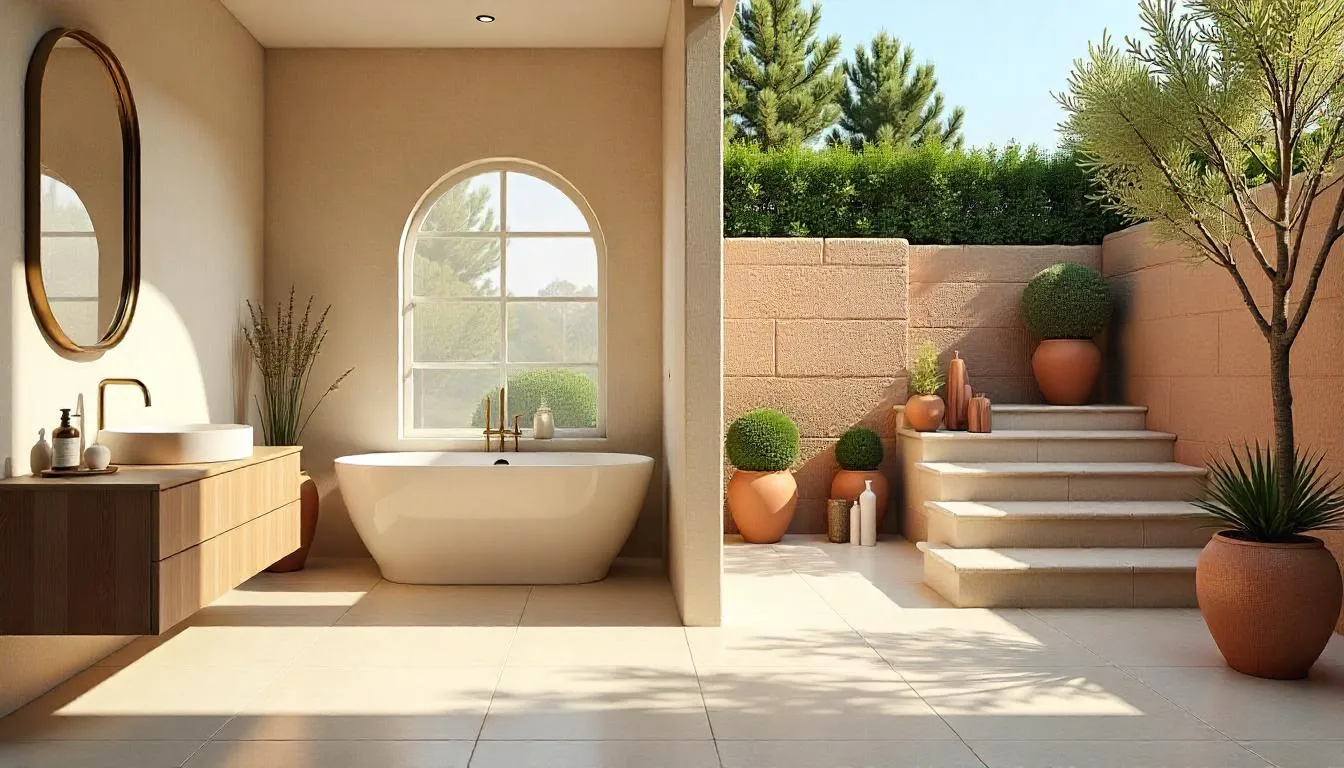
Travertine-Look Tile vs. Real Travertine: A Real-World Comparison
Travertine-look tile is designed to mimic the rich, natural texture and variation of genuine travertine — but the similarities mostly stop at appearance. While real travertine is a form of natural limestone formed by mineral springs, travertine-look tile is typically made of porcelain or ceramic, engineered to visually replicate stone while overcoming many of its practical drawbacks.
Durability-wise, porcelain travertine-look tile is much harder and more resilient than natural stone. It’s resistant to chips, scratches, and water absorption, making it an ideal option for busy households or outdoor use. Real travertine, on the other hand, is porous and relatively soft, meaning it’s more prone to staining, scratching, and wear — especially if left unsealed.
In terms of maintenance, there’s a stark contrast. Travertine tile requires regular sealing and special cleaning agents to prevent damage and discoloration. Travertine-look tile is virtually maintenance-free — just regular sweeping and mopping with mild detergent will keep it looking great.
When it comes to cost, travertine-look tile usually wins. Natural stone not only costs more per square foot, but it also incurs higher shipping costs due to weight, and it requires a more skilled installation process. Travertine-look tiles are lighter, easier to cut, and come in more consistent dimensions — reducing both waste and labor time.
Installation is another major difference. Because natural stone tiles can vary in thickness and texture, installers often need to make manual adjustments and use more grout to create a level surface. Travertine-look porcelain tiles, by contrast, are manufactured to precise specifications, making installation faster and more forgiving — especially for DIYers.
Understanding Tile Cuts: How They Differ Between Real and Lookalike
One of the subtle but important distinctions between real travertine and its porcelain alternatives is the type of cuts used to shape and finish the tile.
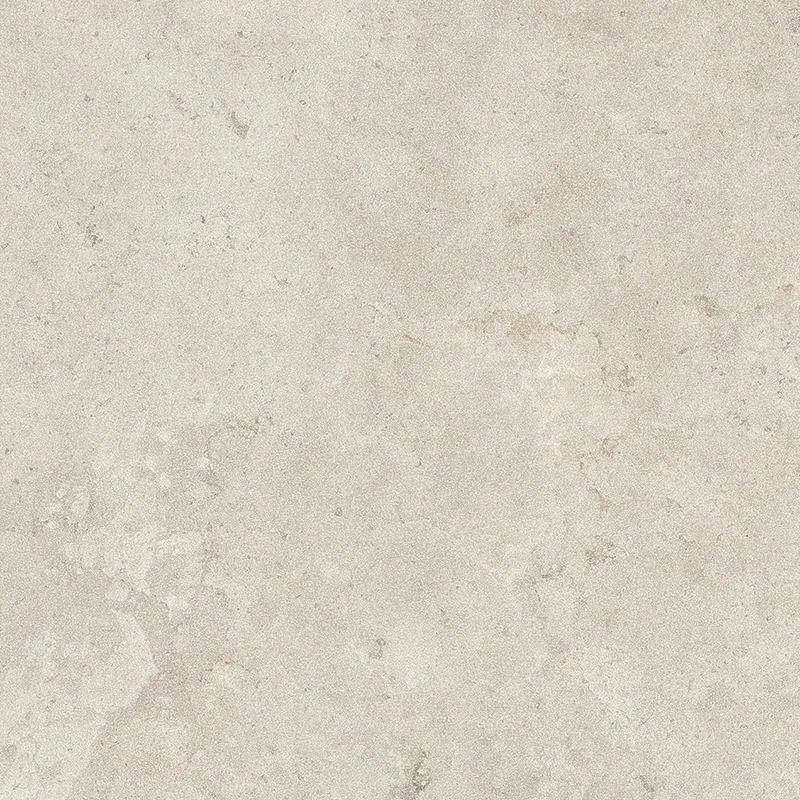
- Cross Cut (a.k.a. Fleuri Cut): This method slices the stone perpendicular to its natural bedding plane. The result is a more uniform, cloud-like pattern with swirls and soft movement. It’s ideal for spaces seeking a subtle, consistent appearance.

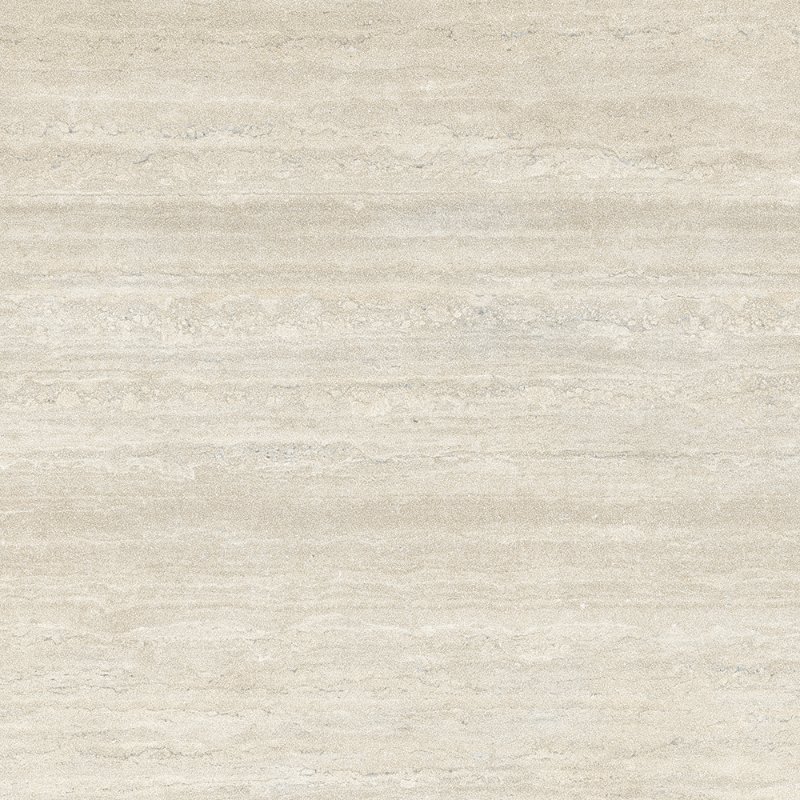
- Vein Cut: Vein cut travertine is sliced parallel to the bedding plane, revealing linear, ribbon-like striations that create strong directional flow. It’s bold, architectural, and often used to elongate or visually expand a room.
Key Advantages
1. Visual Authenticity
High-resolution tile printing and realistic finishes give you the luxurious look of travertine—without high cost or maintenance .
2. Superior Durability
Porcelain-based travertine-look tiles are dense, low-absorbent (< 0.5%), and stand up to scratches, chips, and freeze–thaw cycles
3. Low Maintenance
No sealing needed—just routine cleaning keeps them looking beautiful. These tiles resist mold and bacteria due to their non-porous surface.
4. Cost-Effective
They’re significantly less expensive than authentic travertine in material, shipping, and installation costs.
5. Versatile Use
Perfect for high-traffic areas, indoor/outdoor spaces, and wet environments—without worrying about staining or slipping.
Best Uses in Your Home
-
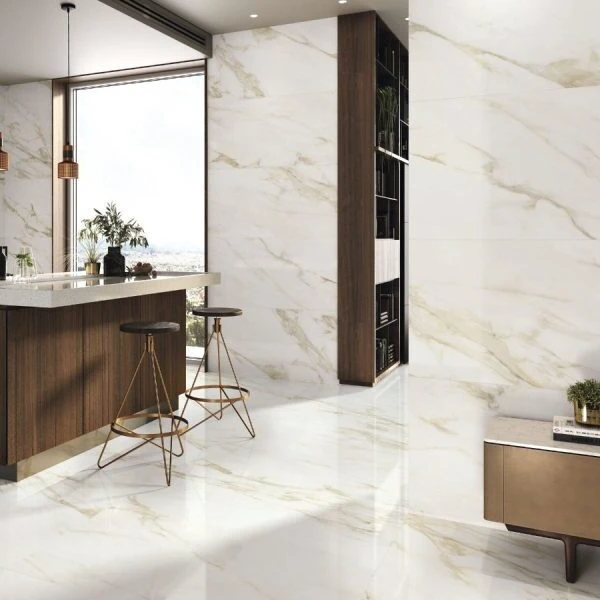
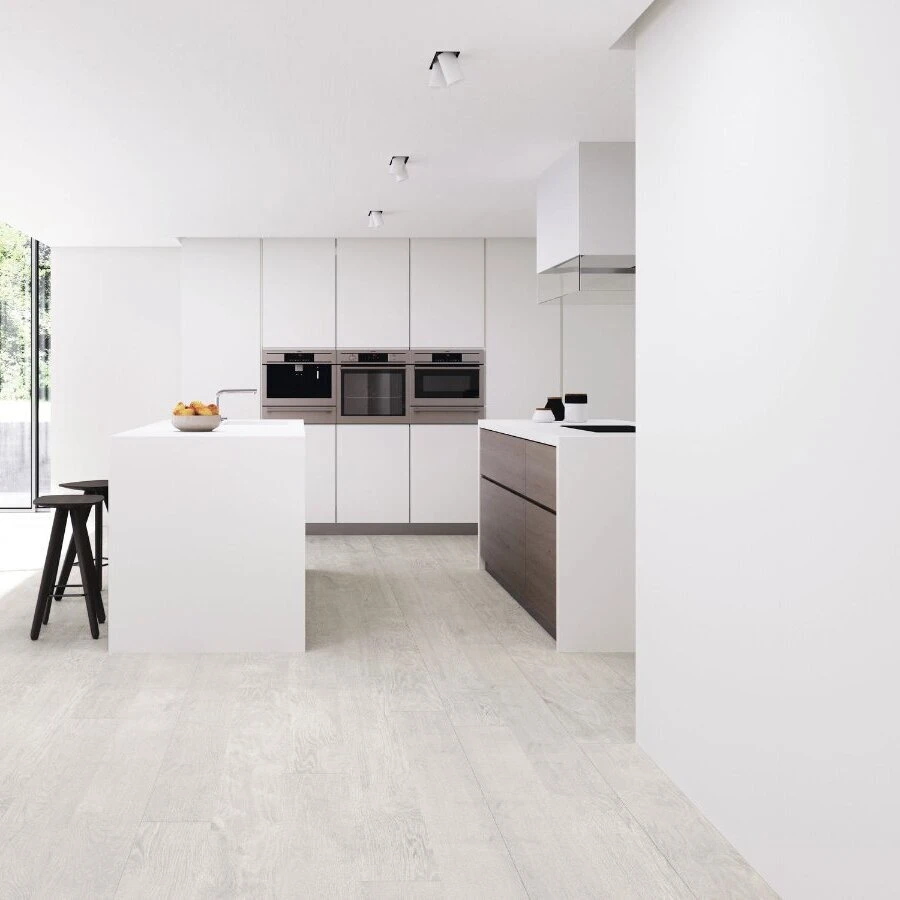
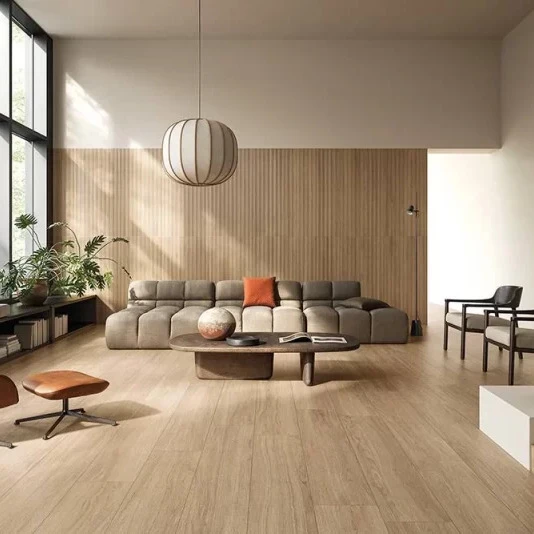
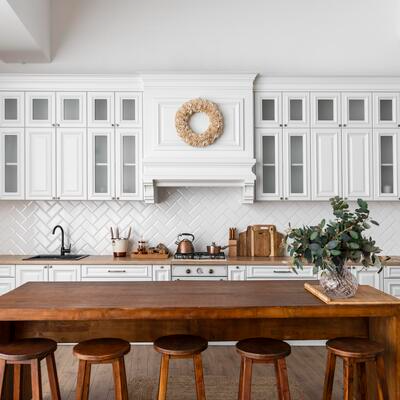
Living rooms & kitchens: Treated finishes offer sophistication with easy maintenance.
-
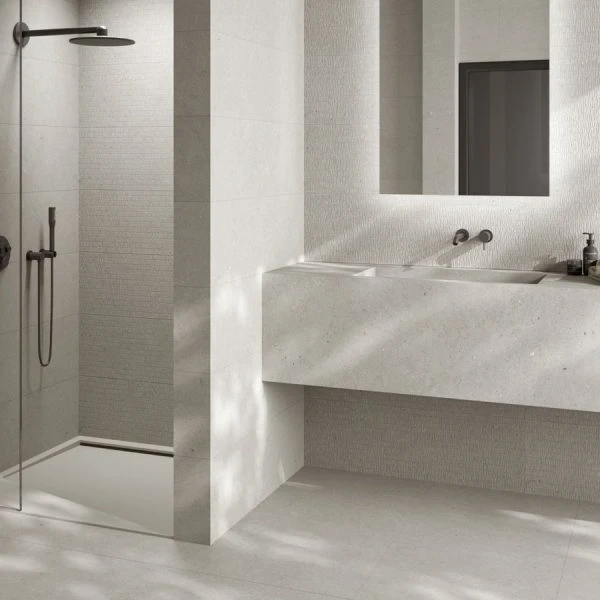
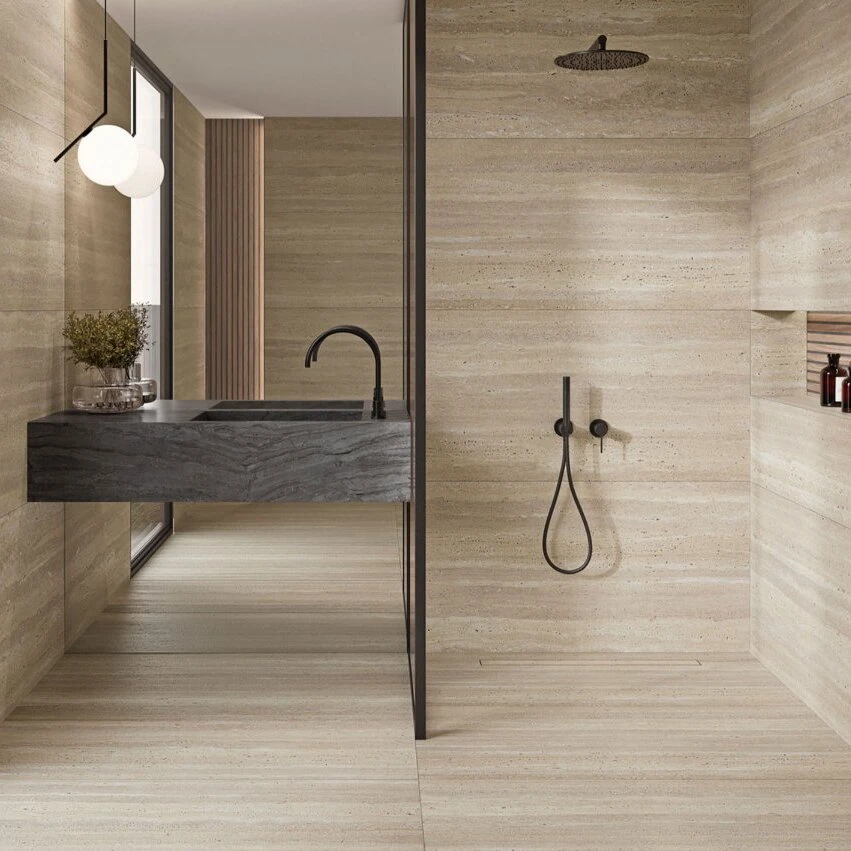
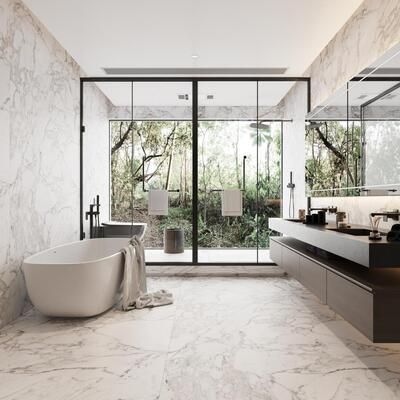
Bathrooms & showers: Slip-resistant options mimic honed travertine while holding up to moisture.
Featured: Riverside Castle Ivory Matte 24×48 -
Outdoor patios and pool decks: Porcelain versions resist freeze/thaw and UV damage.
Featured: Riverside Ivory Matte 24×48 -
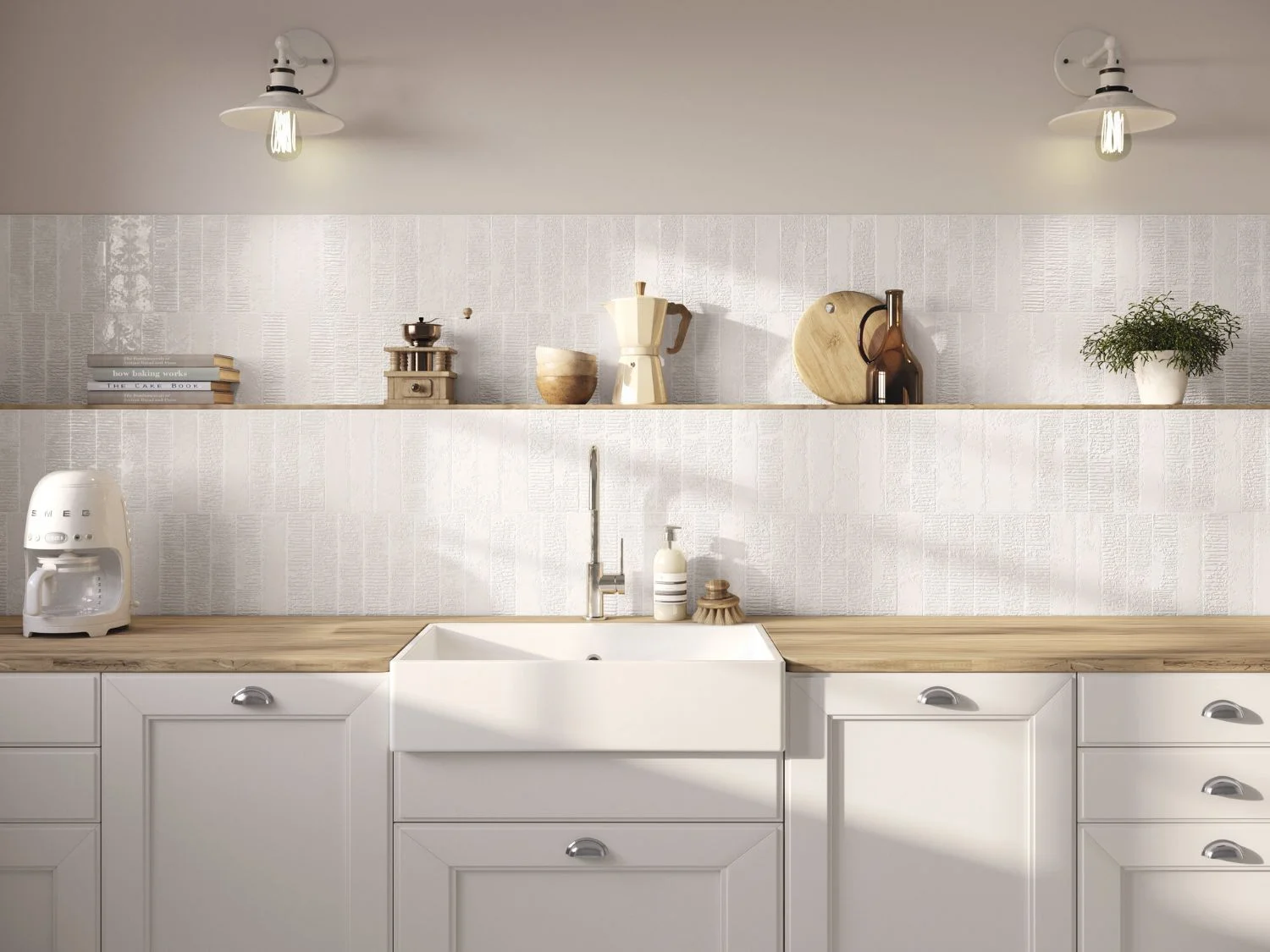
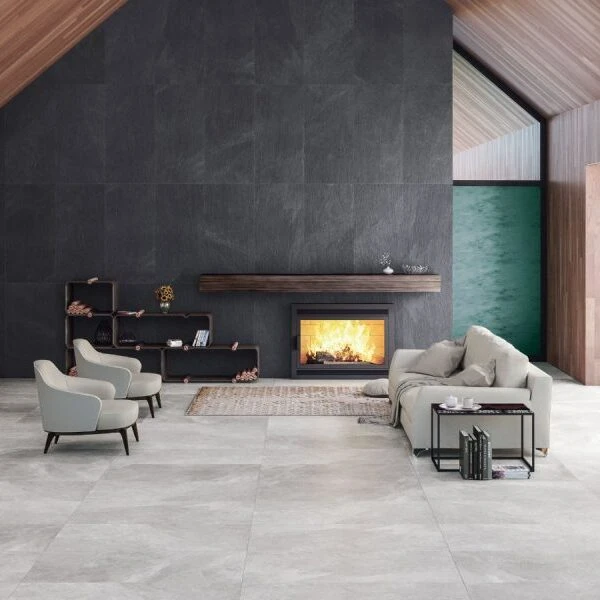
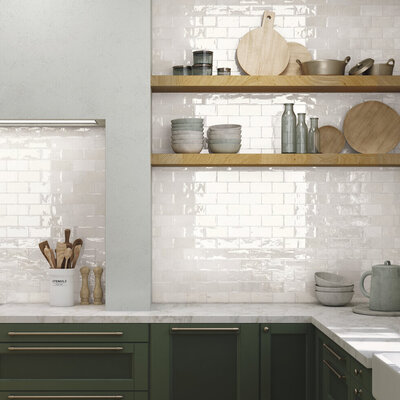
Feature walls & backsplashes: Natural stone-like wall tiles create stunning focal points.
Featured: Cartago Beige Matte 24×48
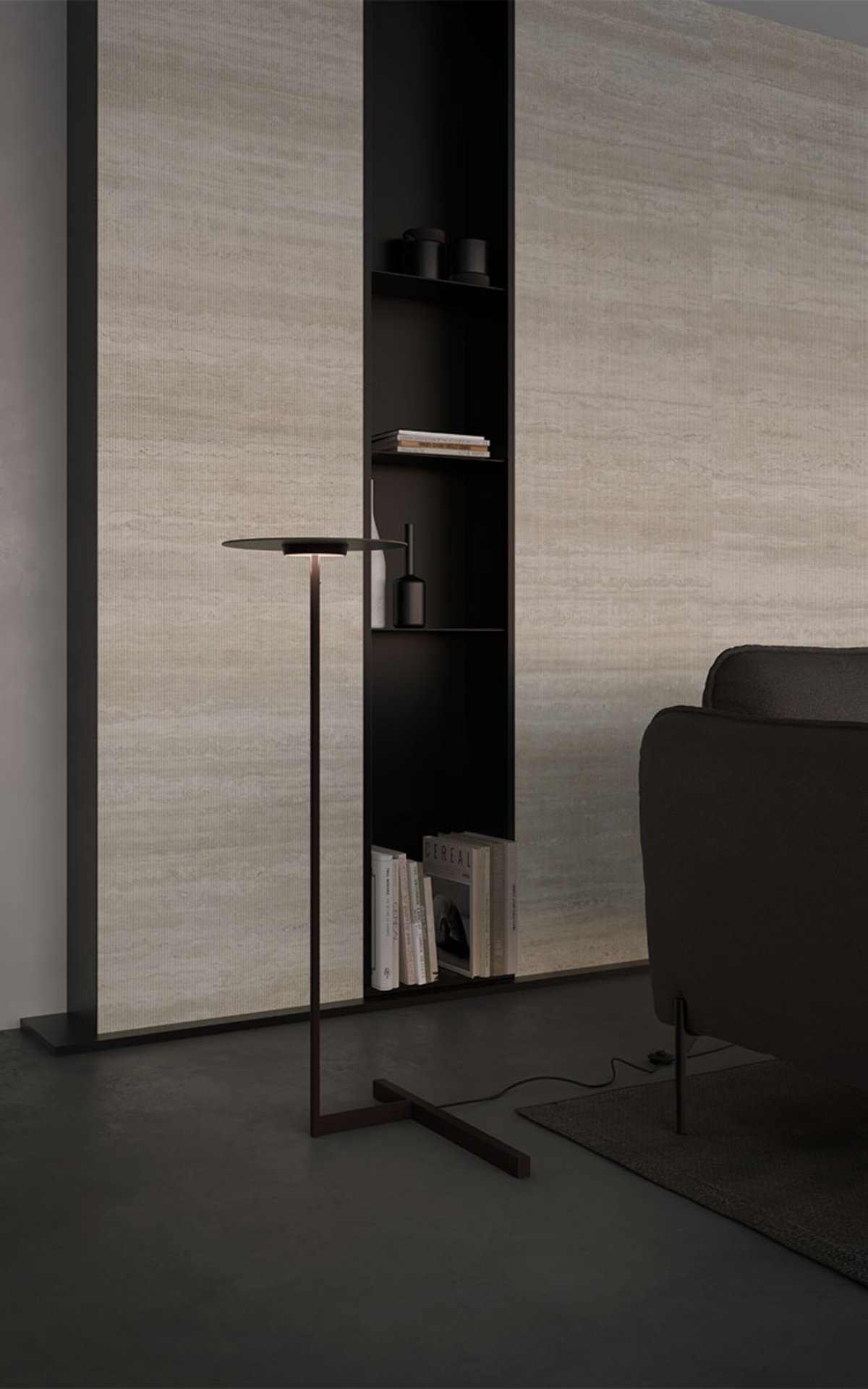 Featured:
 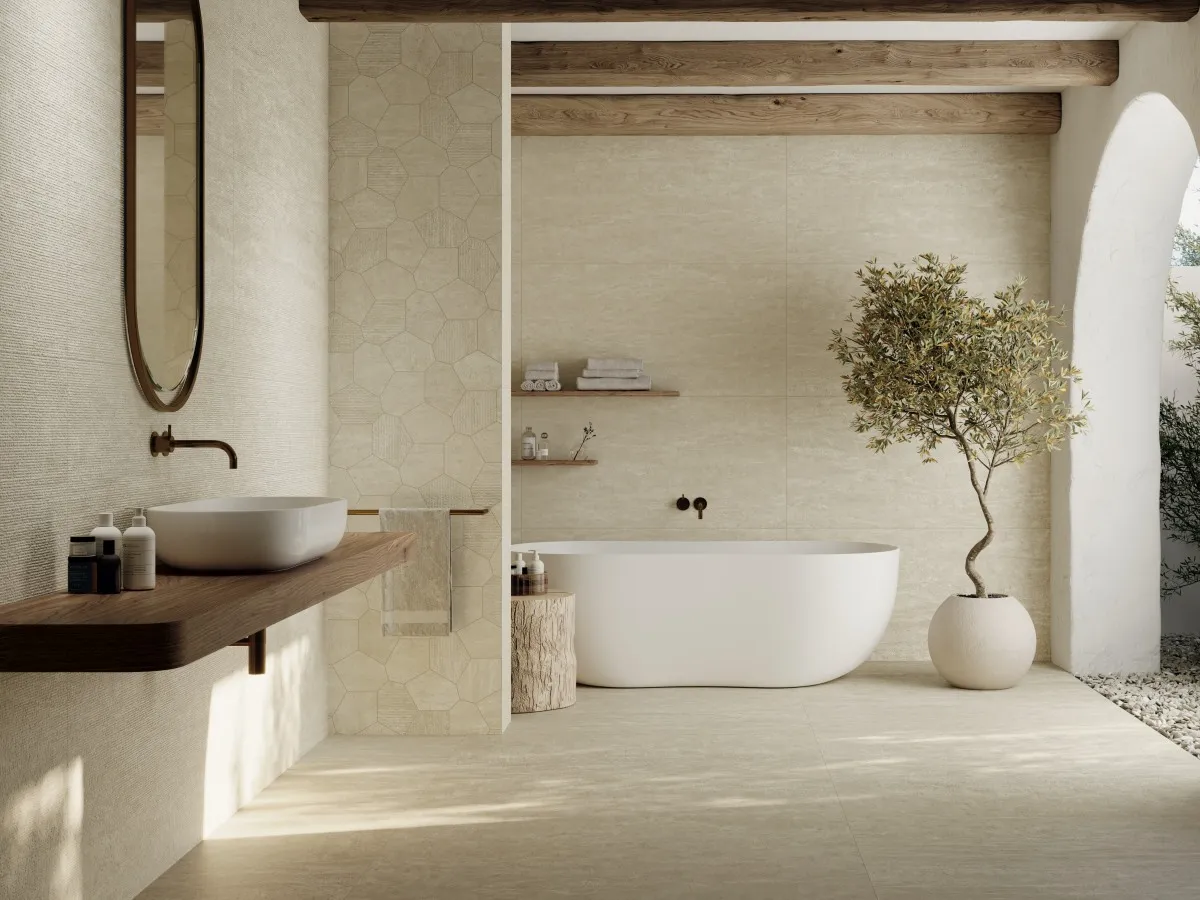 Featured:
 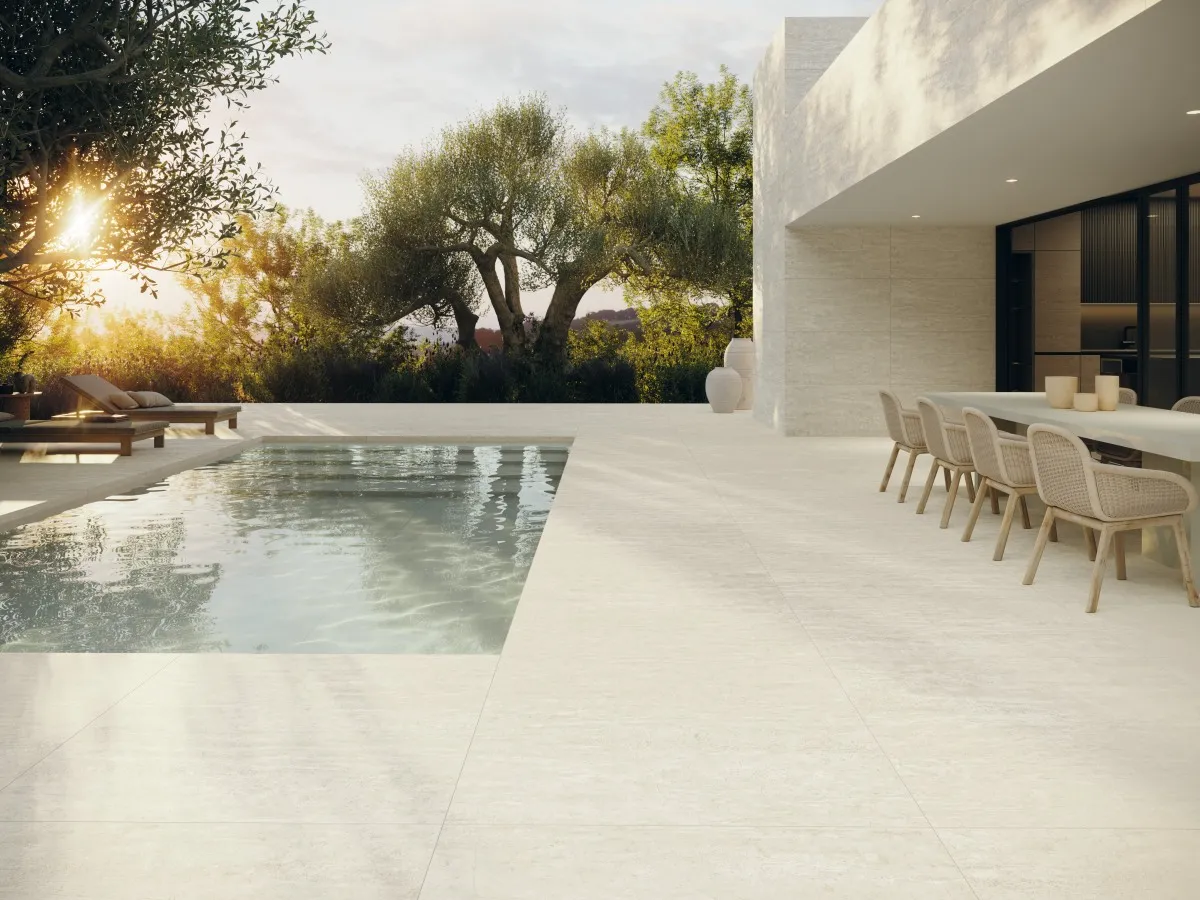 Featured:
 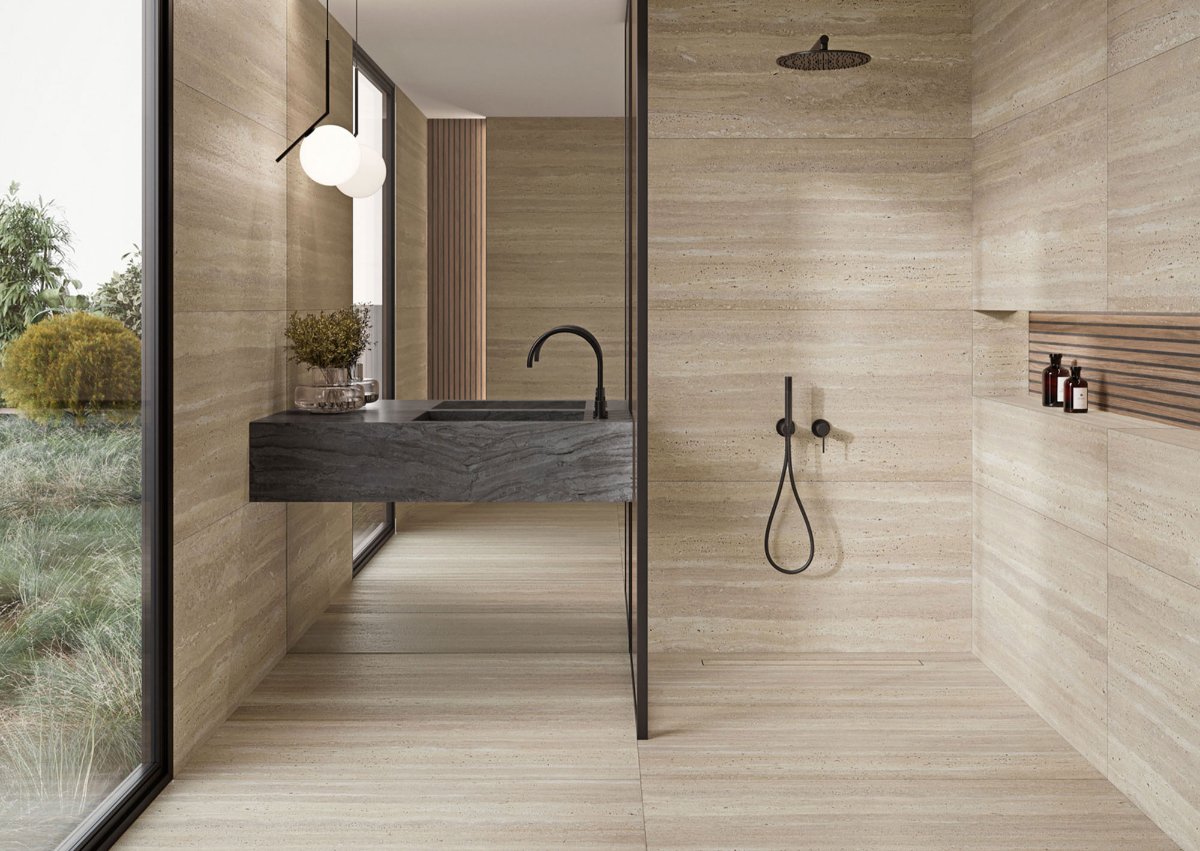 Featured:
 Final Thoughts
Travertine-look tile delivers the enduring elegance of genuine travertine with modern durability—without the substantial cost, weight, or upkeep. It’s a smart choice for anyone seeking a designer aesthetic with everyday practicality. From sun-drenched patios to sophisticated interiors, these tiles let you enjoy classic beauty in a modern, resilient form.
Shop Travertine-Look Tile at TileDecor.com
At Tile Decor, You can get the richness of real travertine with none of the hassle:
-
Variety of sizes and finishes: French patterns, honed, tumbled, and matte options
-
Indoor and outdoor rated porcelain
-
Samples available to visualise in your space
Common FAQs
Is travertine-look tile better than real stone?
For most homeowners, yes—it’s more durable, affordable, and maintenance-free.
Do I need to seal travertine-look tile?
No. Porcelain and glazed ceramic are naturally non-porous—no sealing needed.
Can I use it outdoors or around pools?
Absolutely. Outdoor-rated porcelain versions mimic travertine while resisting weathering and freeze-thaw cycles.
Does travertine-look tile look too fake?
Modern printing gives highly authentic visuals with subtle texture—most people can’t tell.