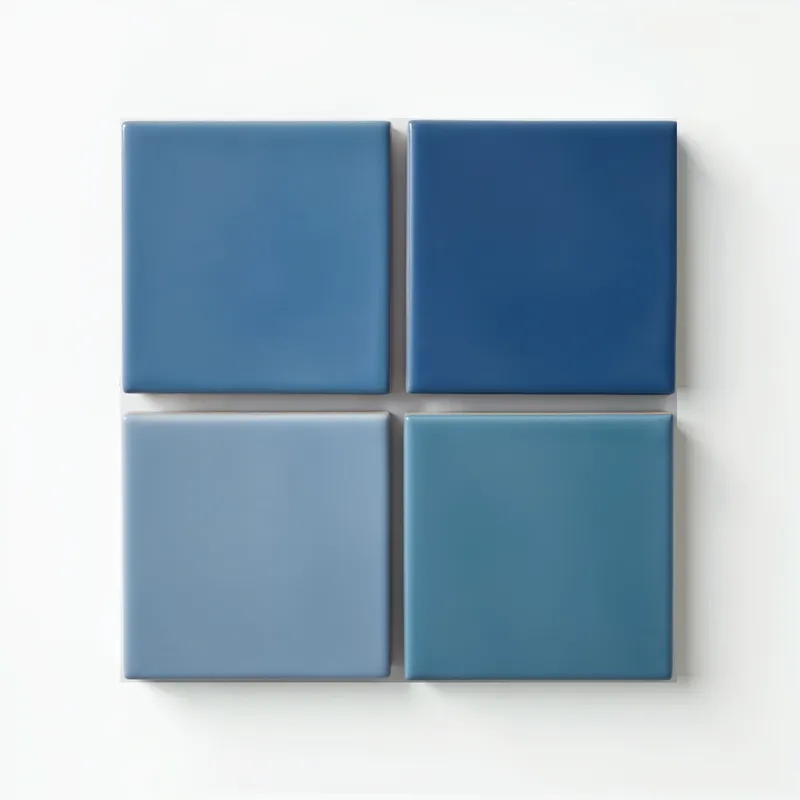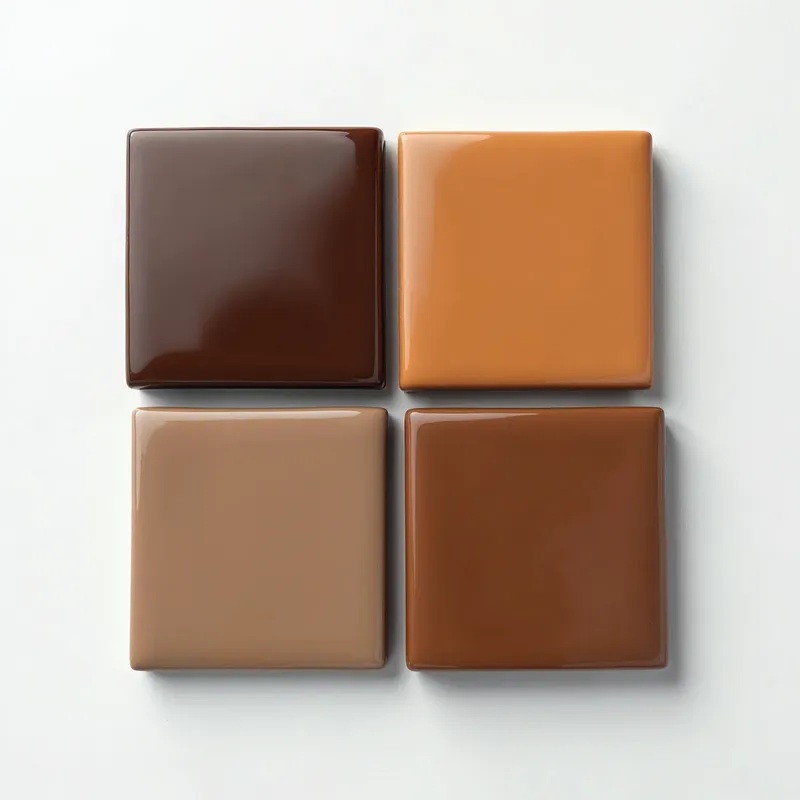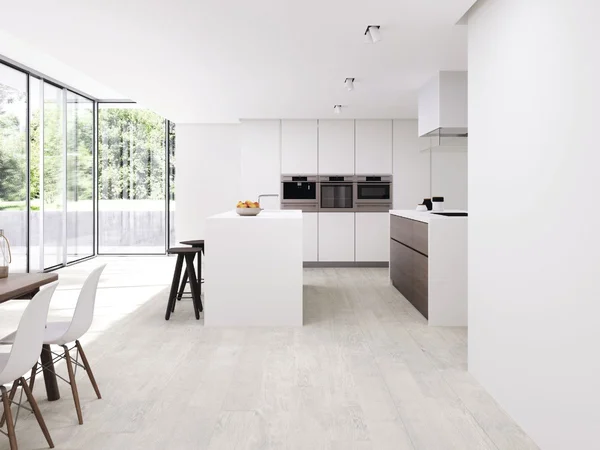



Tile is more than just a surface — it’s a design statement. And when it comes to choosing between glossy and matte finishes, you’re not just picking a look — you’re choosing how the room feels, how it functions, and how much work it takes to maintain. Whether you’re renovating a bathroom, designing a kitchen backsplash, or reimagining an open-concept space, this guide will help you understand the real-world differences between glossy and matte tiles, so you can make a confident, informed choice that aligns with your style and lifestyle.
How Glossy and Matte Tiles Are Made
Both glossy and matte tiles usually begin the same way — as ceramic or porcelain tiles. The difference lies in the final glazing process:
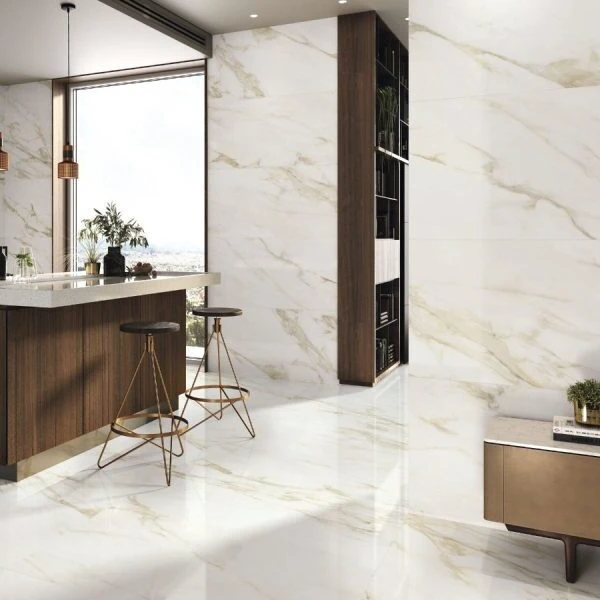
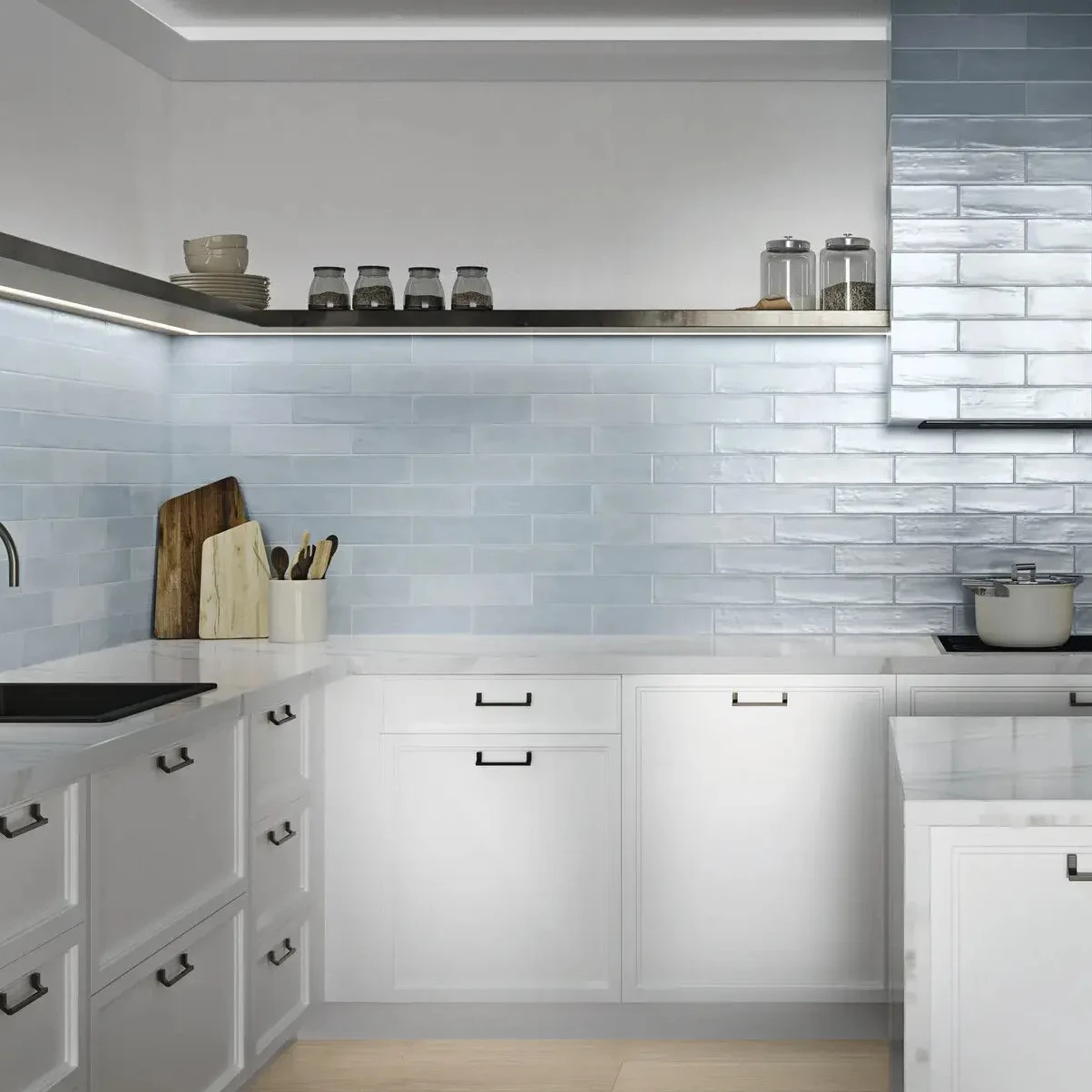
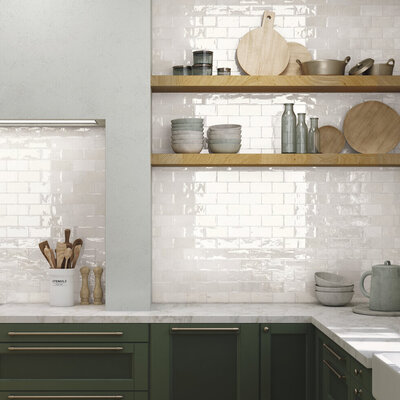
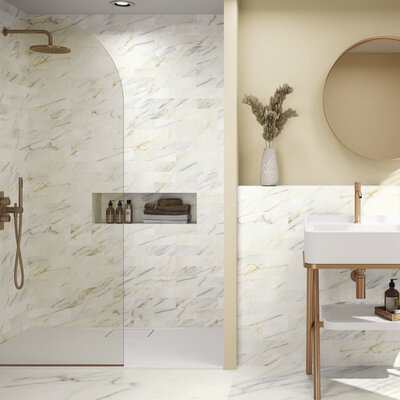
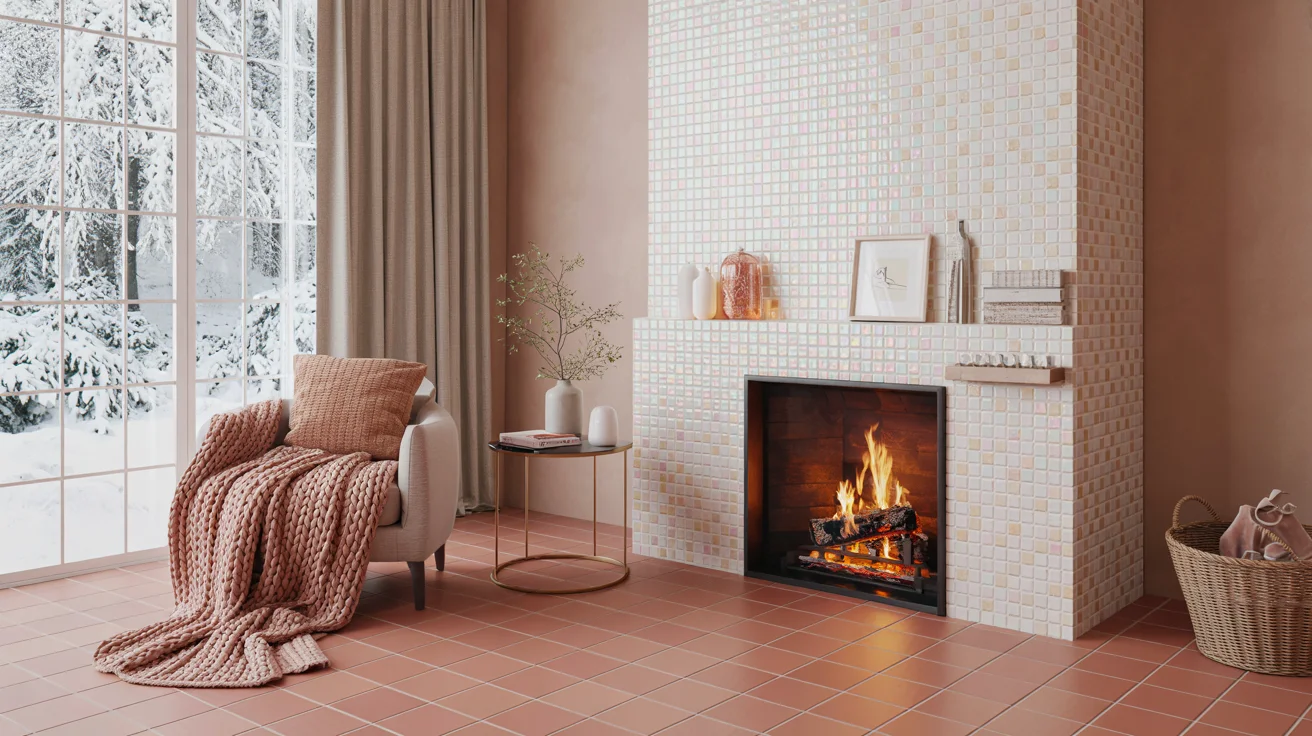
Glossy Tiles are coated with a high-gloss glaze, then fired in a kiln at high temperatures. This gives them a shiny, reflective surface — almost like a thin glass coating — that boosts brightness and highlights color.
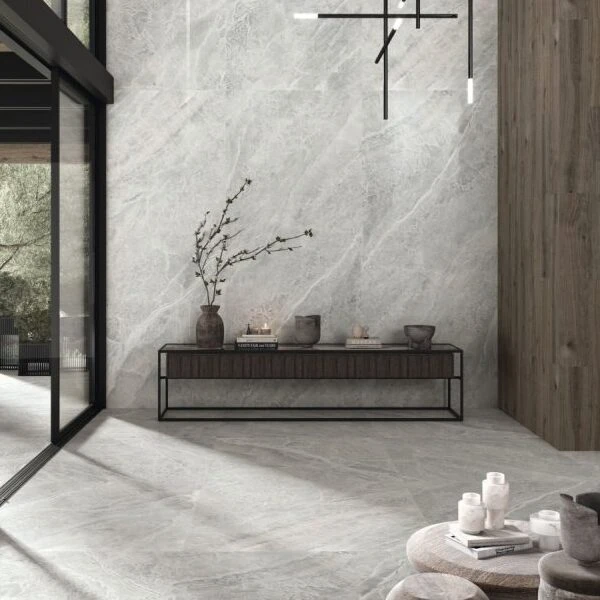
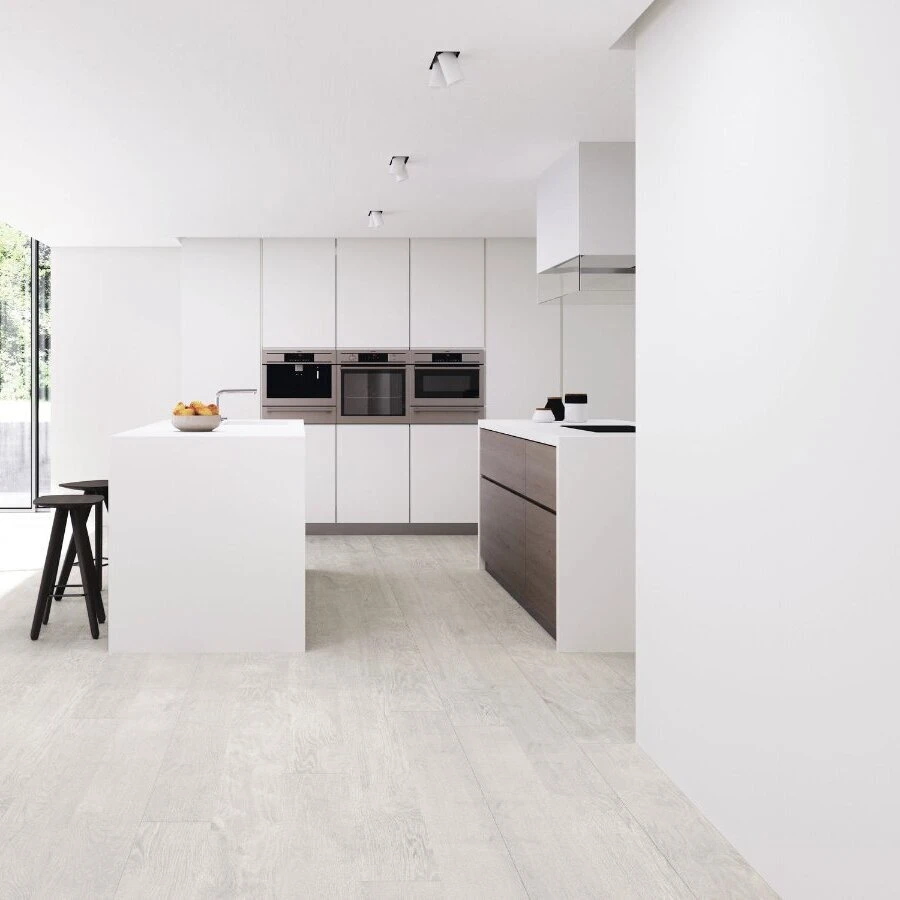
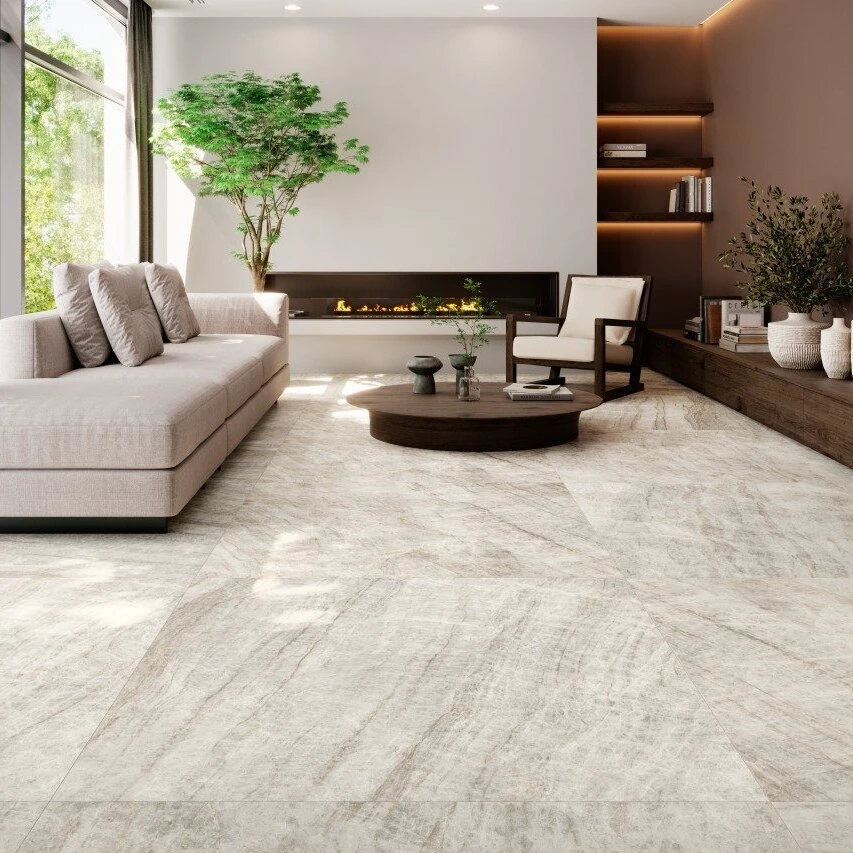
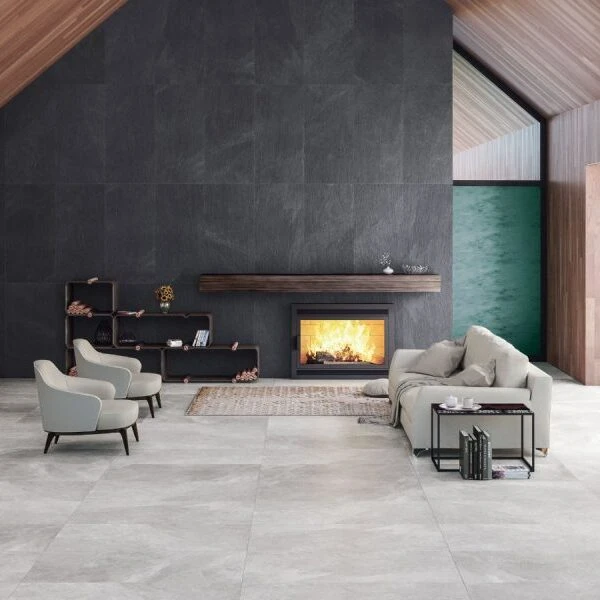
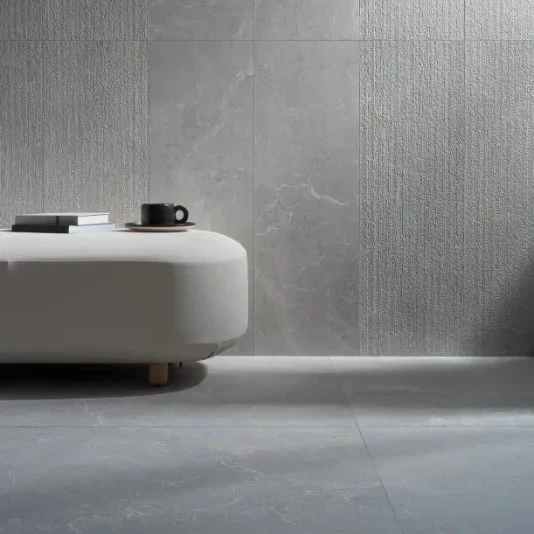
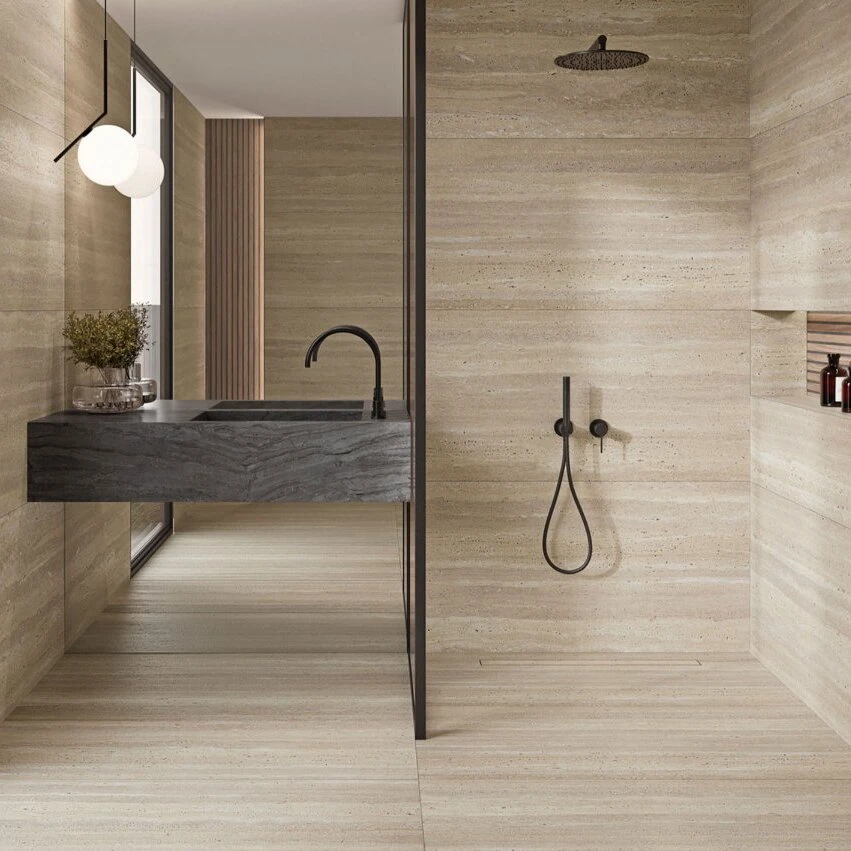
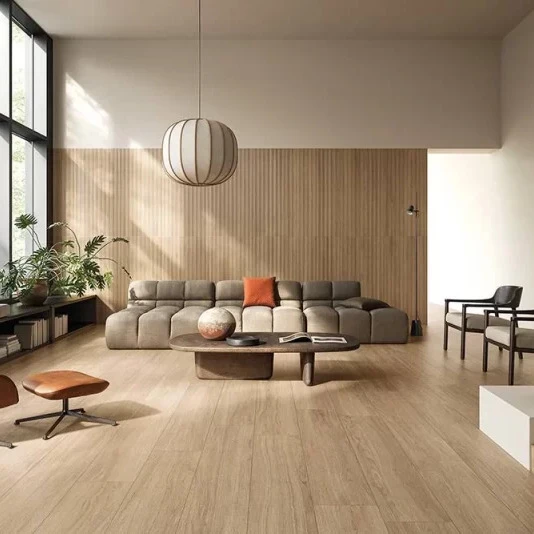
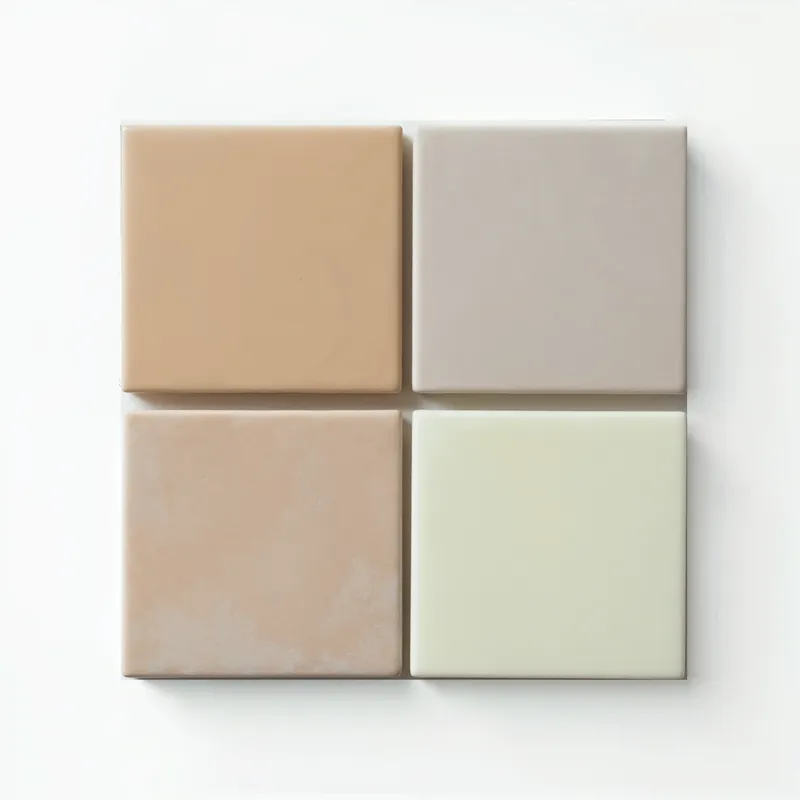
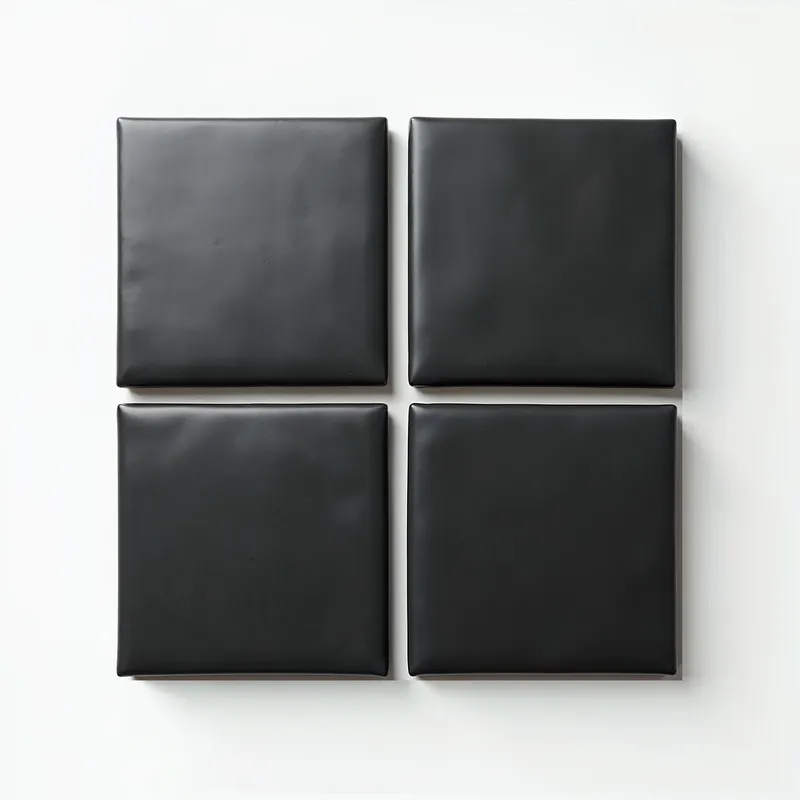
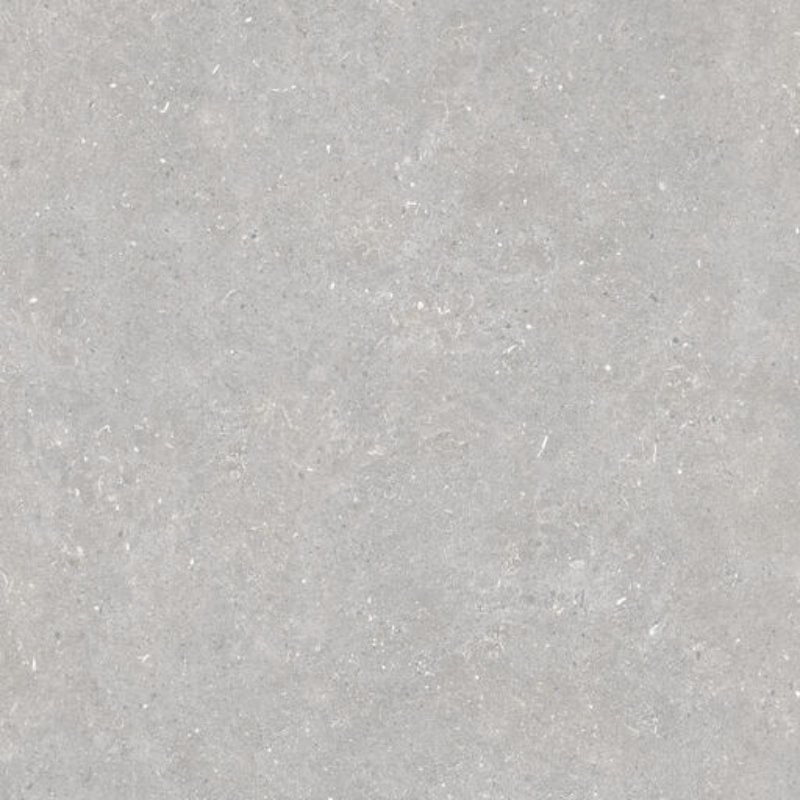
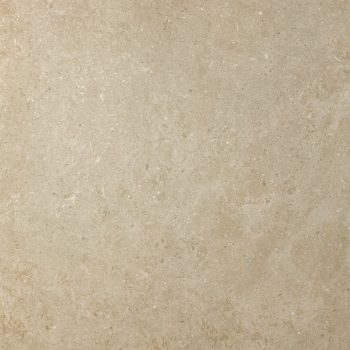
Matte Tiles are either unglazed or treated with a duller glaze, then fired to produce a soft, non-reflective finish. This gives them a more natural, stone-like feel, perfect for understated or rustic interiors.
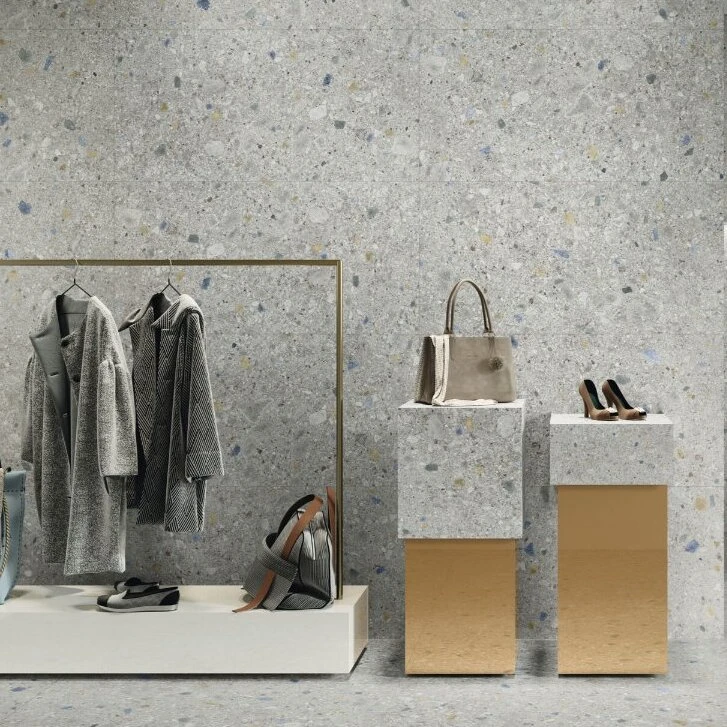
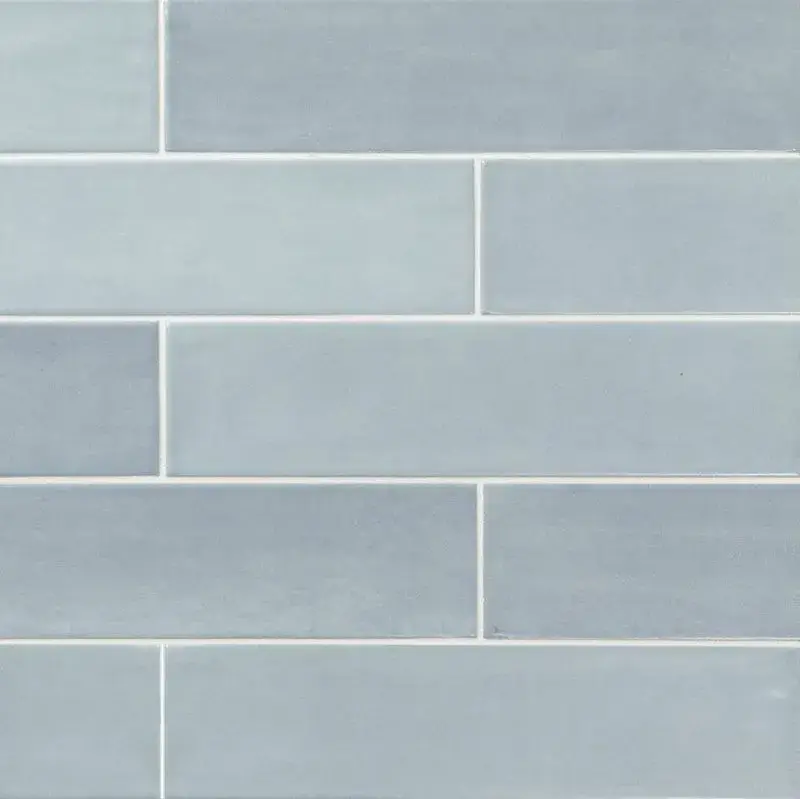
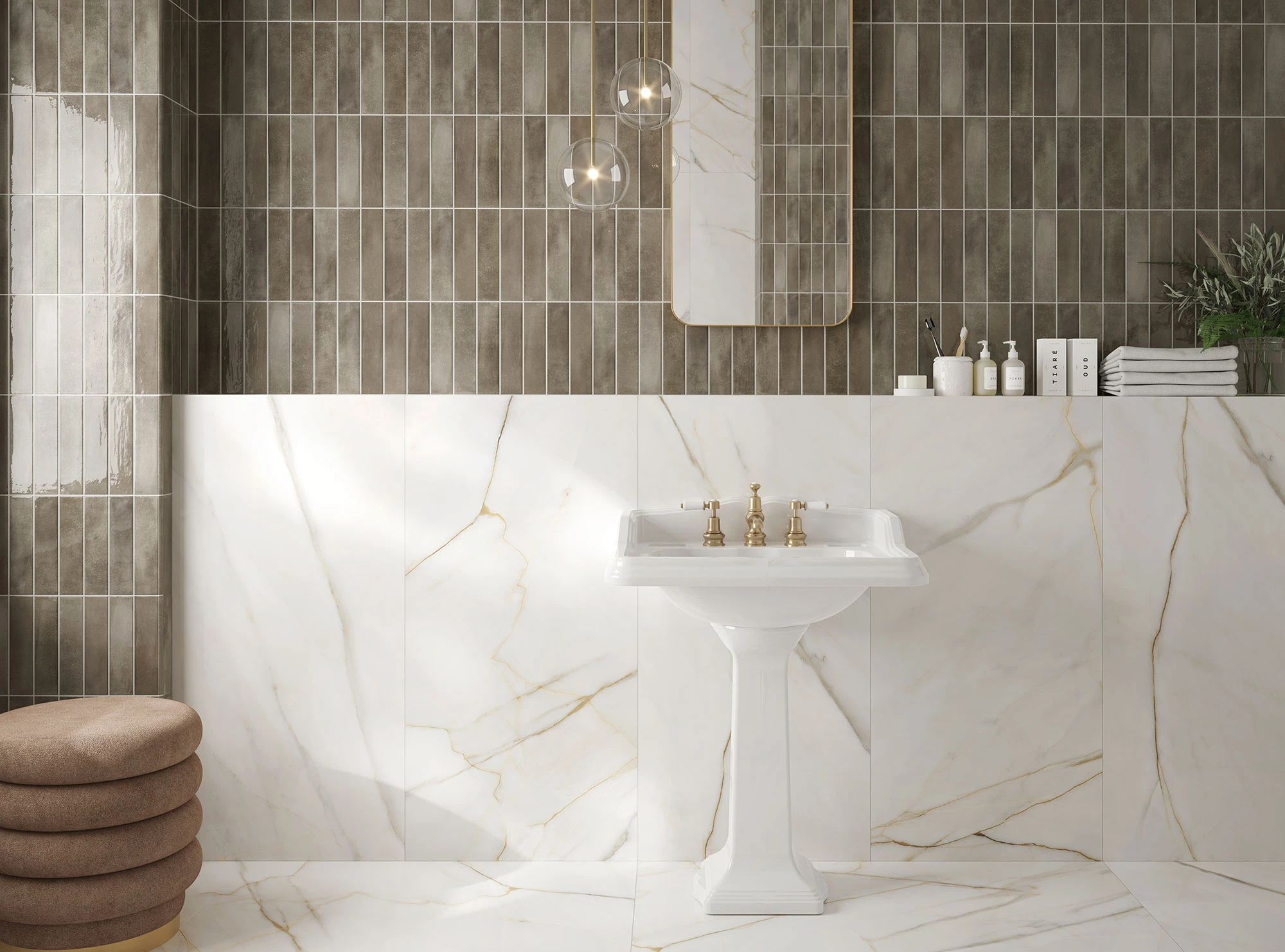 Featured: Imagine Taupe Glossy 2.5x10
Glossy Tiles: A Closer Look
Pros
-
Light-Enhancing: Their shiny surface reflects light, making smaller or darker rooms feel brighter and more spacious.
-
Color Vibrancy: Glossy finishes intensify colors and make intricate tile designs or mosaics pop.
-
Easy to Clean: Smooth surface resists dirt and is effortless to wipe — ideal for walls, backsplashes, and light-use floors.
-
Polished Aesthetic: Feels upscale, elegant, and modern — perfect for glam bathrooms, luxury kitchens, or statement accent walls.
Cons
-
Slippery When Wet: Glossy tiles can pose a slip risk in bathrooms, kitchens, and entryways unless used on walls or in dry areas.
-
Shows Everything: Water spots, fingerprints, smudges, and scratches are more visible.
-
Glares in Bright Spaces: Direct sunlight or strong lighting can create harsh glare.
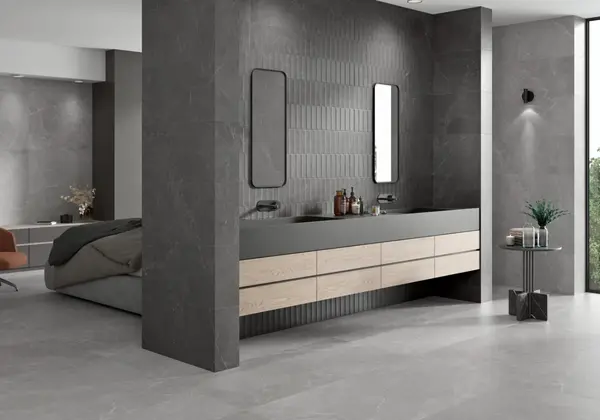
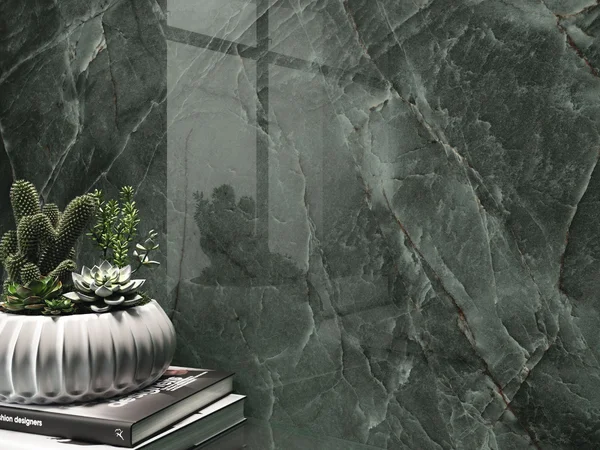
 Featured: Alchemy Iron Matte 24x48
Matte Tiles: A Closer Look
Pros
-
Slip-Resistant: Naturally textured surface makes them safer for wet environments like bathrooms, showers, and patios.
-
Conceals Dirt & Wear: Hides scuffs, footprints, and dust better than glossy surfaces.
-
Natural Look: Ideal for rustic, industrial, or minimalist design styles. They blend beautifully with wood, concrete, and stone aesthetics.
-
No Glare: Matte absorbs light softly, avoiding reflections and eye strain in well-lit areas.
Cons
-
Harder to Clean: Their textured surface can trap dirt or soap scum — especially in grout lines or if not sealed.
-
Muted Colors: Matte finishes tend to subdue patterns and tones, which may not suit bold or colorful design themes.
-
Feels Less Formal: Some may perceive matte tiles as too subtle or casual for ultra-modern spaces.
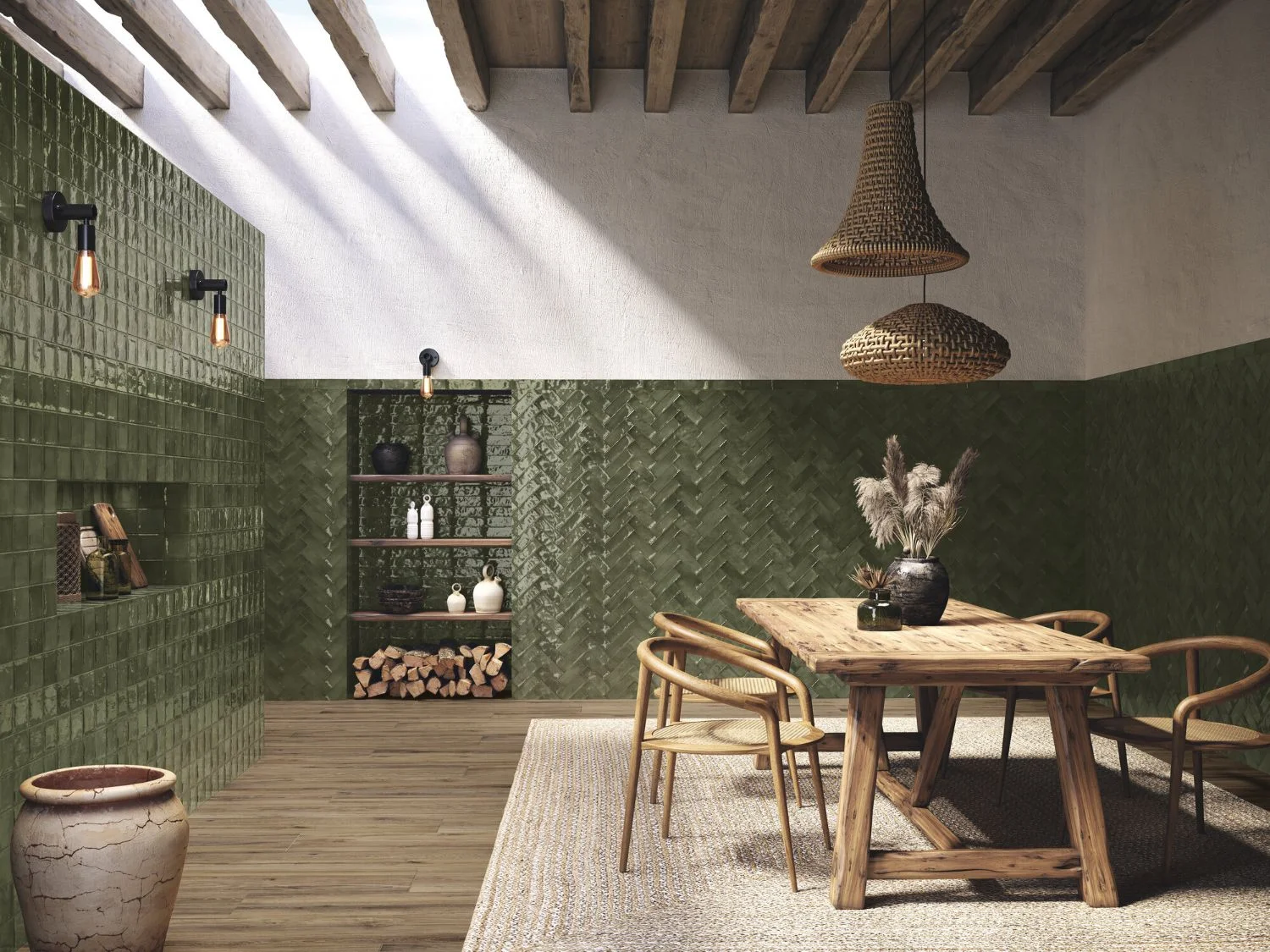 Featured: Seville Green Glossy 2.5x8
Glossy vs. Matte: Comparison by Key Factors
Here’s a side-by-side breakdown of how these finishes really stack up — not in a chart, but in everyday terms:
Durability
-
Both finishes are durable if installed and maintained properly, but matte tiles are slightly more scratch-concealing.
-
Glossy tiles show wear faster in high-traffic floors.
Cost
-
Pricing is generally comparable, but glossy finishes may cost more if using hand-polished tiles or intricate designs.
-
Matte is often the default glaze and may be more cost-effective for large areas.
Cutting & Installation
-
Both types are installed the same way.
-
Glossy tiles may chip more easily when cut — always use a sharp blade and tile cutter.
-
Matte tiles are a bit more forgiving in DIY installations, especially where dirt concealment matters.
Water Absorption
-
This depends more on the tile body (porcelain vs. ceramic) than the finish.
-
That said, glossy surfaces may repel water slightly better than porous matte tiles — unless sealed.
Maintenance
-
Glossy tiles are easier to clean — just wipe and go.
-
Matte tiles require more scrubbing in textured areas or outdoor settings. Routine sealing may be needed in high-moisture areas.

Final Thoughts: So, Which One Should You Choose?
Choose Glossy if you’re working with small or dark spaces, want a reflective, high-end feel, and are using it mainly on walls or in decorative applications.
Choose Matte if you prioritize slip resistance, love natural finishes, or are tiling floors in wet or high-traffic areas.
In many cases, the best projects use both — glossy tile for eye-catching walls and matte for practical, comfortable flooring. The key is understanding how each finish will live in your space.
Buy Matte & Glossy Tiles at TileDecor.com
At Tile Decor, we carry both finishes in a variety of styles, colors, and materials:
➡️ Shop Glossy Tile › — From sleek subway tile to dramatic marble-look gloss
➡️ Shop Matte Tile › — Slip-resistant, minimalist, and stone-inspired
➡️ Order Samples to Compare in Your Space
Let your space guide your choice — and let us help you make it perfect.
Common FAQs
Are glossy tiles more slippery than matte tiles?
Yes. Glossy tiles can be slippery when wet, especially on floors. Matte tiles offer better traction and are safer for bathrooms, kitchens, and outdoor use.
Do matte tiles require more maintenance than glossy tiles?
Slightly. Matte tiles can trap dirt in their textured surface, requiring a bit more effort to clean. Glossy tiles, on the other hand, show smudges and water spots more easily but are easier to wipe clean.
Can I use both glossy and matte tiles in the same space?
Absolutely! Many designers mix finishes for visual contrast — like matte floor tiles paired with glossy wall tiles for a balanced, functional, and stylish space.
Which tile finish is best for small rooms?
Glossy tiles help reflect light and make compact spaces feel larger and brighter. They’re ideal for small bathrooms, powder rooms, or galley kitchens.
Are matte tiles more durable than glossy ones?
Both are durable, but matte tiles often hide wear and tear better in high-traffic areas. Glossy tiles may show scratches more visibly over time.
Do glossy tiles cost more than matte tiles?
Typically, costs are similar. However, specialty glossy tiles with high-glaze or polished finishes may cost slightly more than standard matte options.