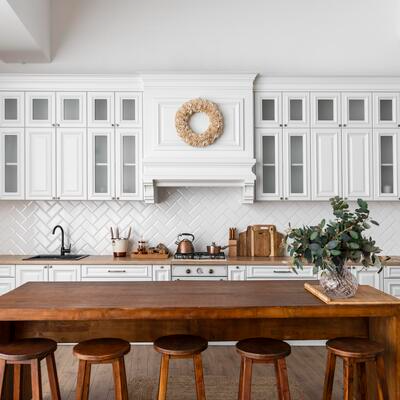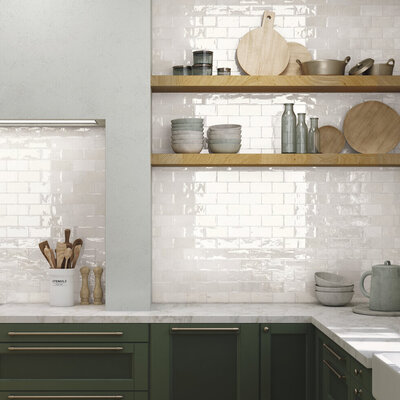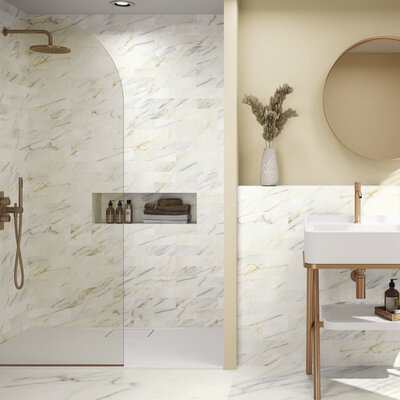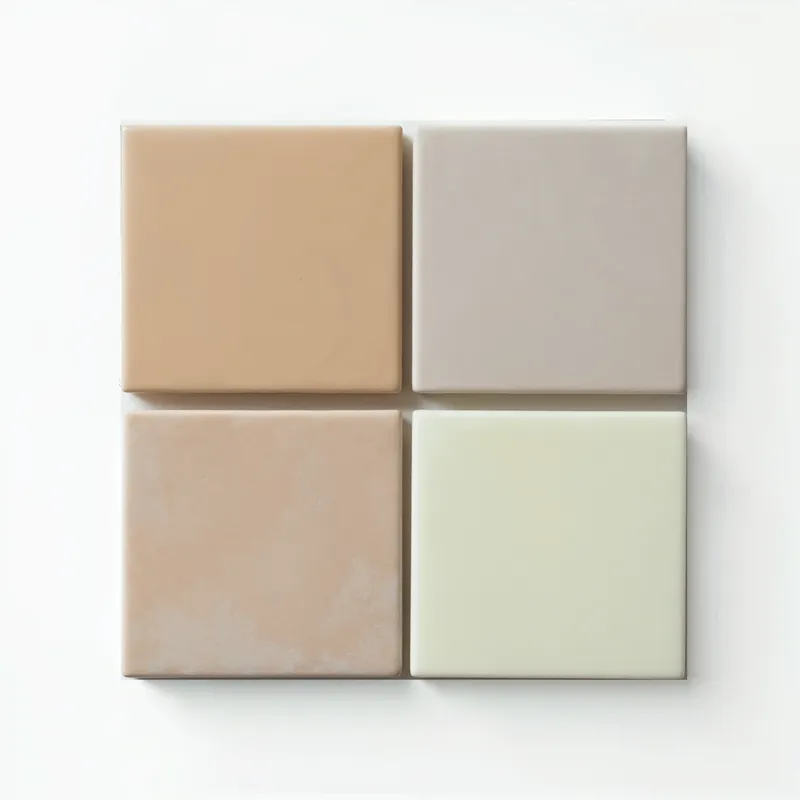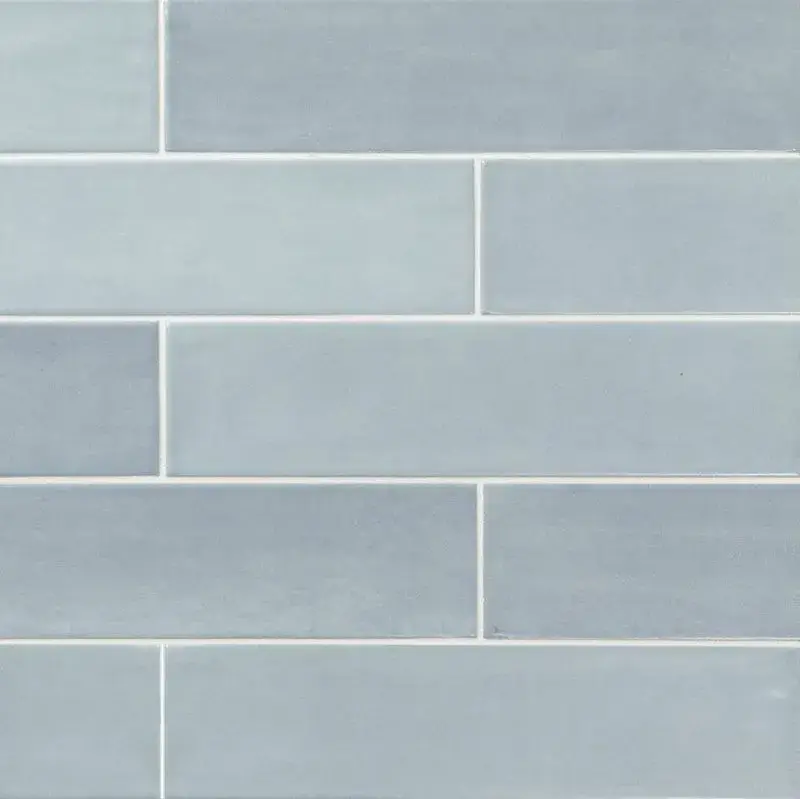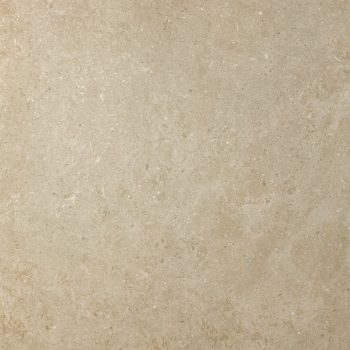




When it comes to flooring, few debates are as classic as tile vs. wood. Both offer beauty, durability, and timeless appeal — but they differ drastically in how they look, feel, perform, and age. If you’re stuck between the two, this guide will help you weigh your options and choose the perfect surface for your space.
Test #1: Visual Appeal & Aesthetic
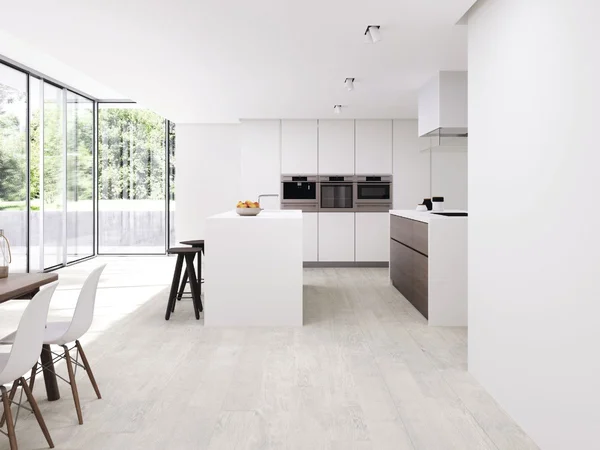
Hardwood flooring is known for its natural warmth, rich tones, and organic grain patterns. It brings a sense of craftsmanship and luxury, especially in living rooms, bedrooms, and open-plan interiors. Over time, wood develops character, often adding to its charm.
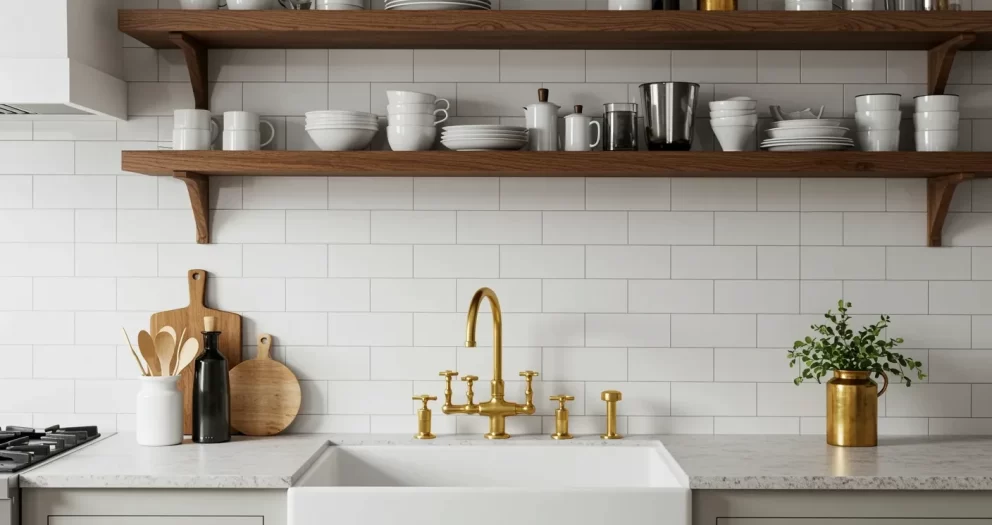
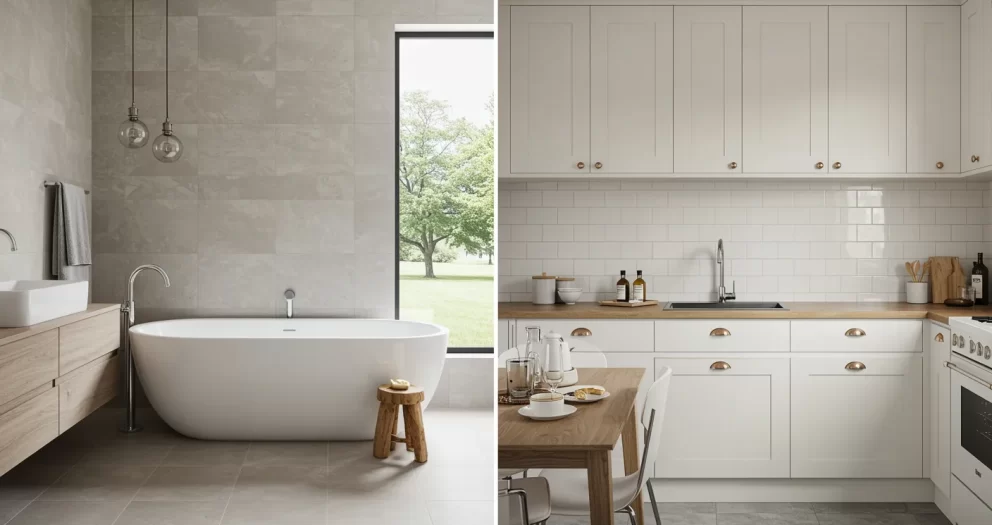
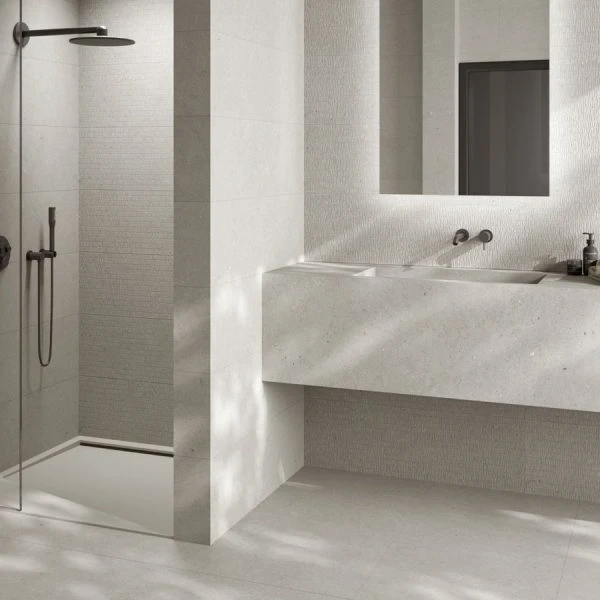
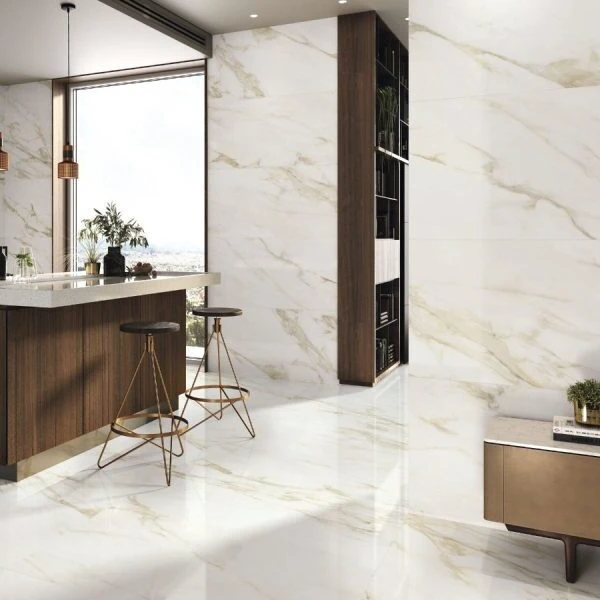
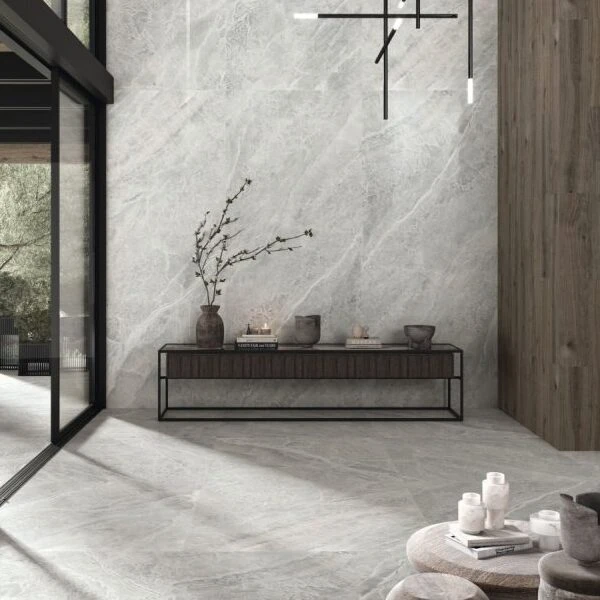
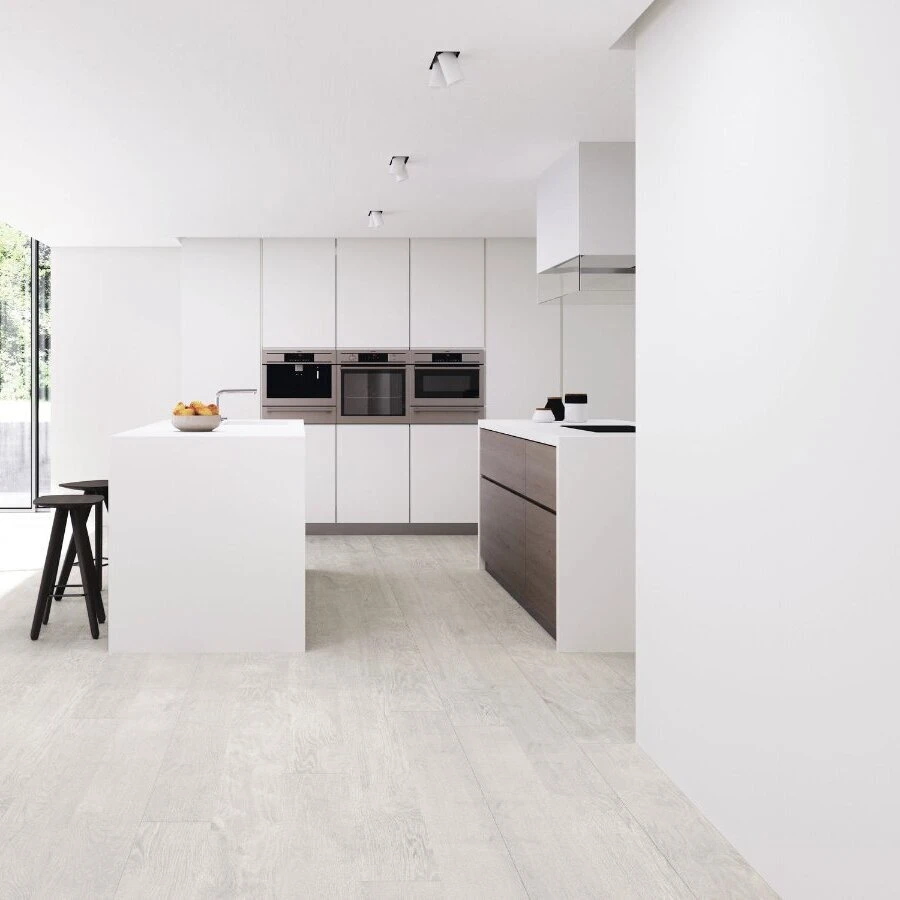
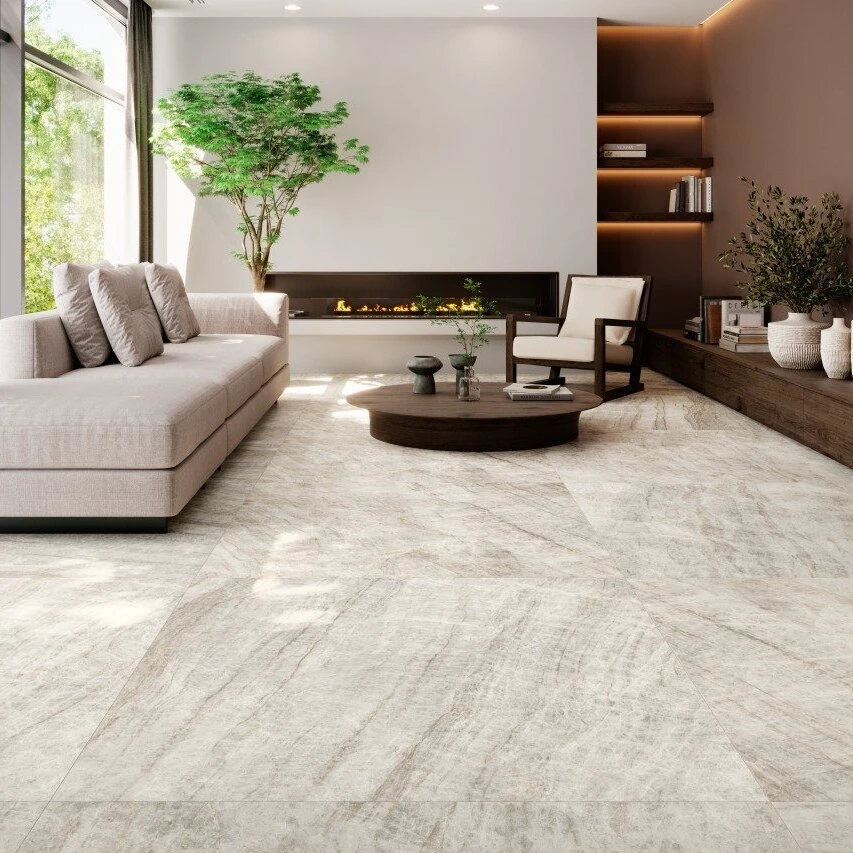
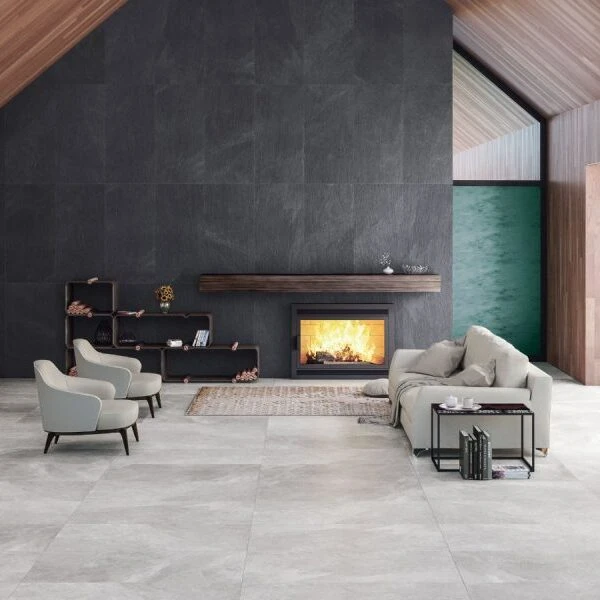
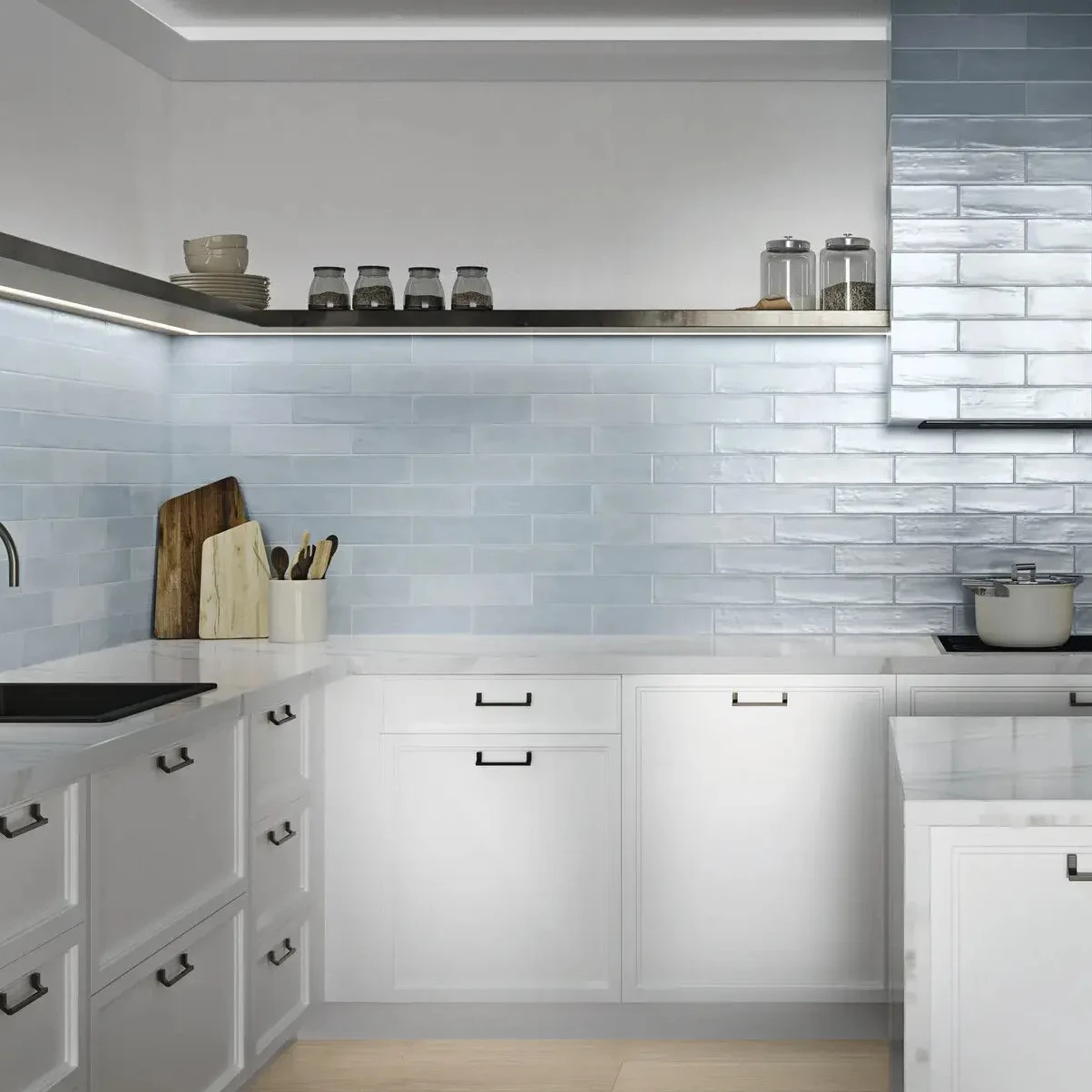
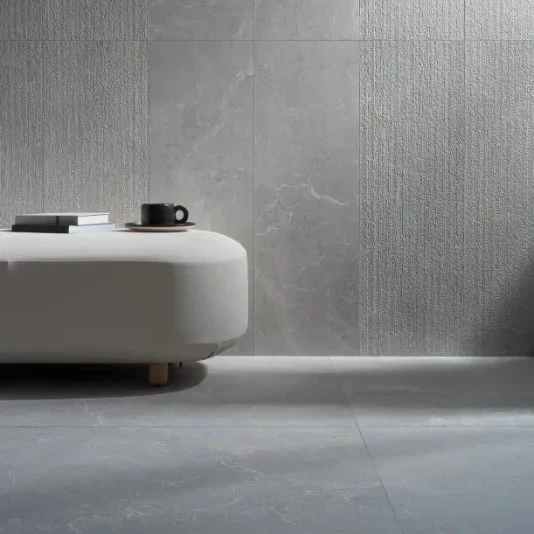
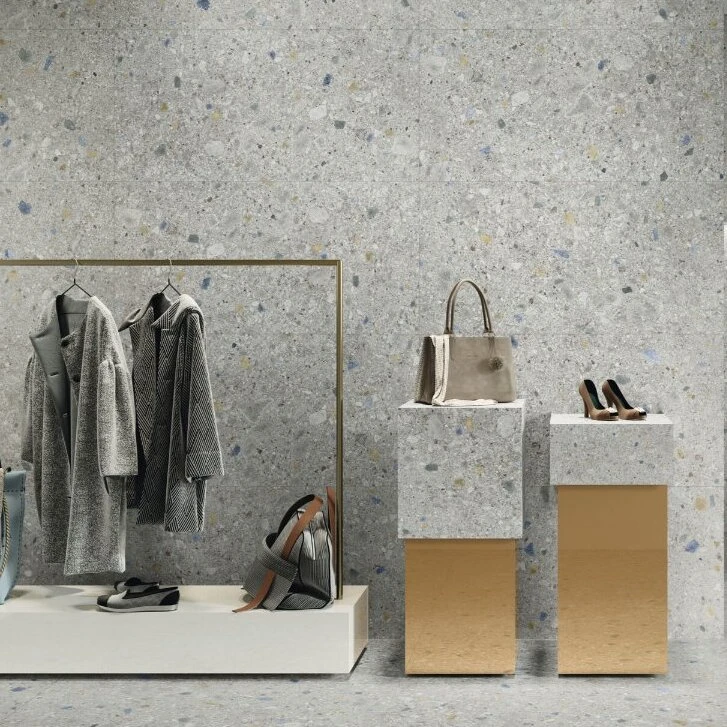
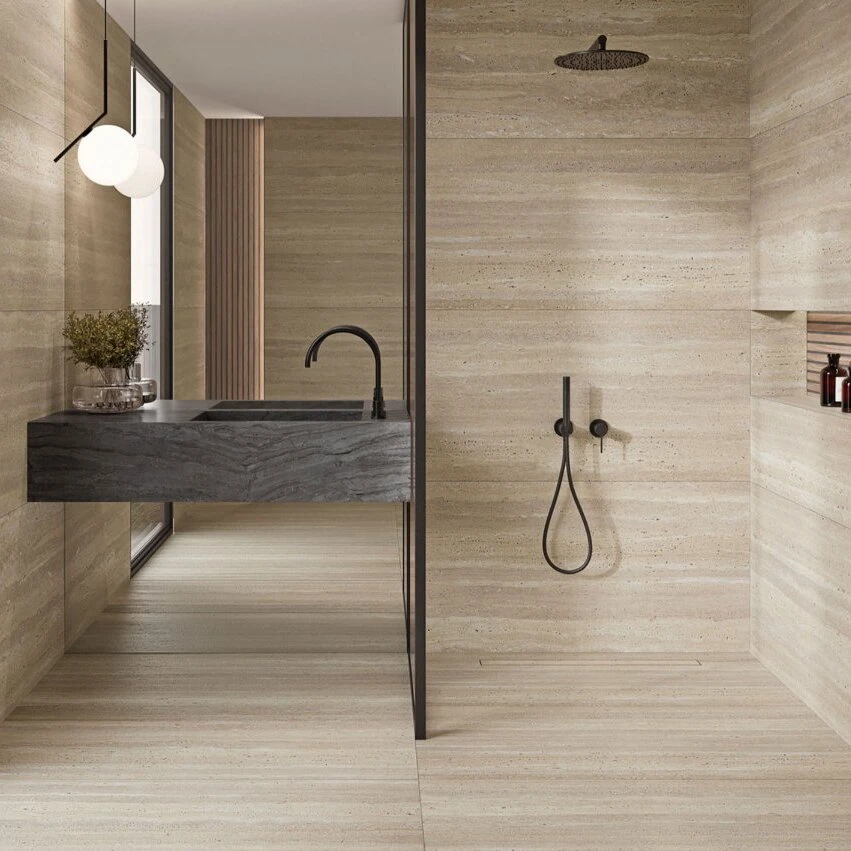
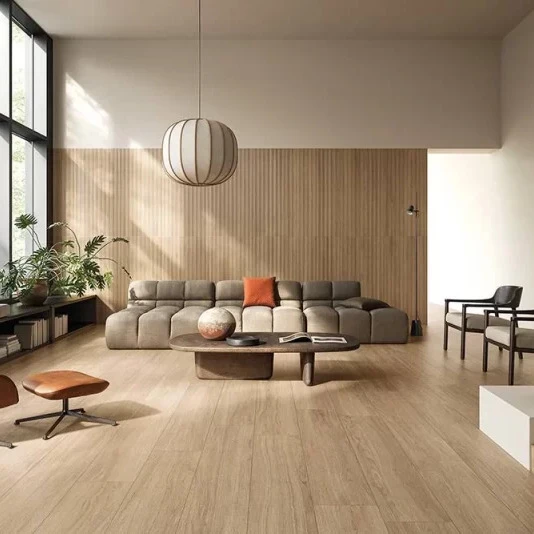
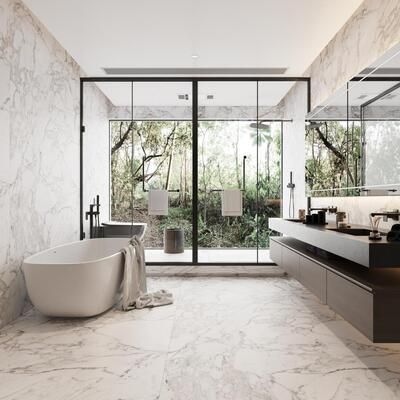
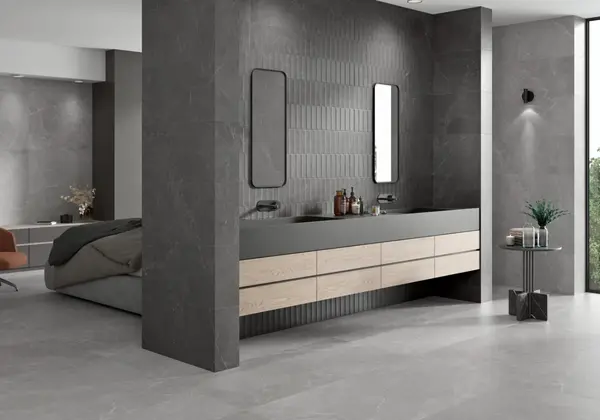
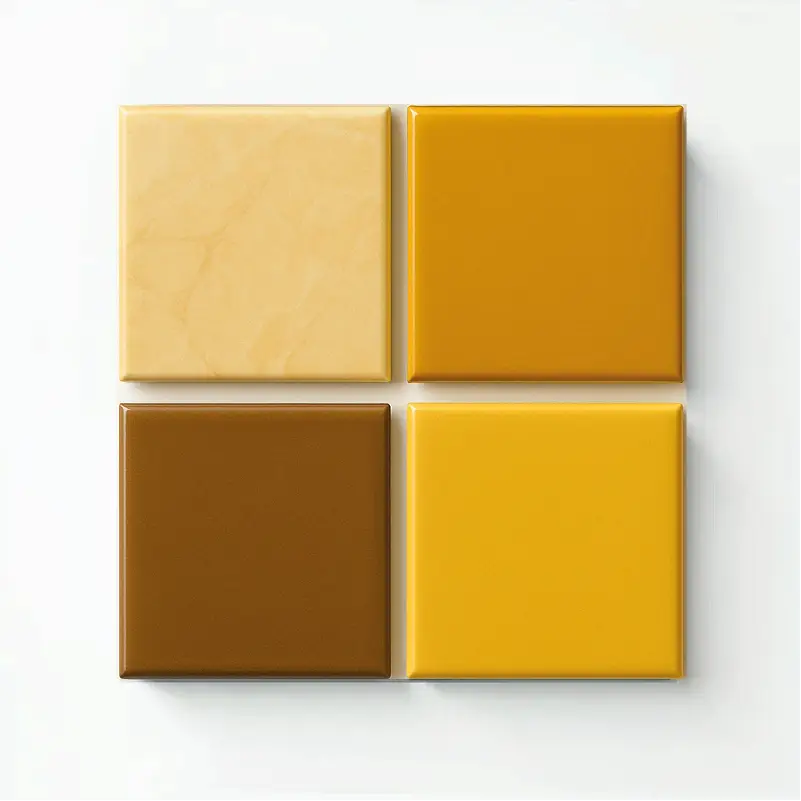
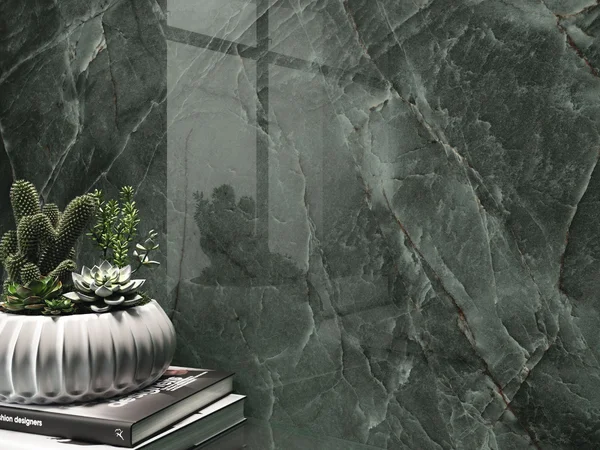
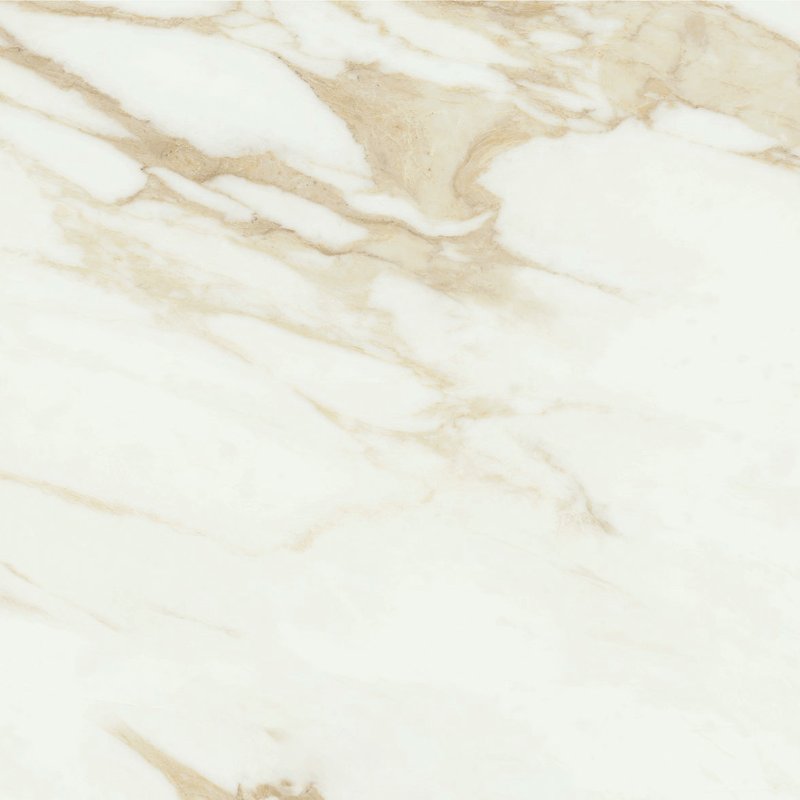
Tile flooring, on the other hand, is exceptionally versatile. Thanks to modern technology, it can mimic nearly any material — including wood — with incredible realism. From glossy marble looks to rustic wood-look tiles, tile offers design freedom with virtually endless colors, patterns, and textures.
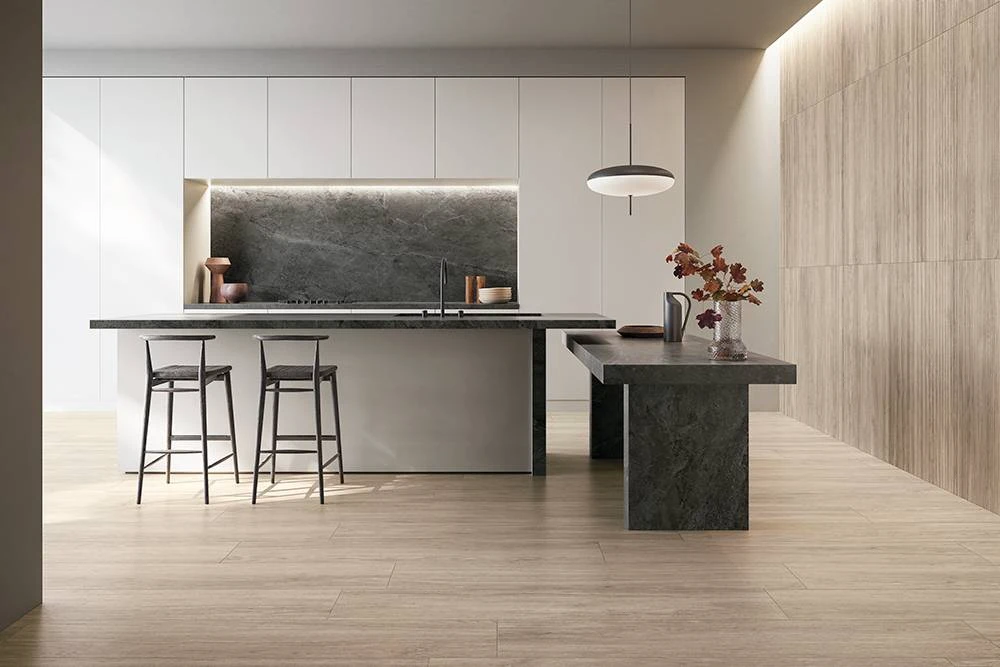
Design Verdict
Tie, it is up to your own taste and the look you want to apply:
Wood = warmth & authenticity
Tile = versatility & creativity
Test #2: Durability & Lifespan
Wood is a natural material, and while it can last decades with proper care, it’s vulnerable to dents, scratches, and moisture. High heels, pet claws, and heavy furniture can leave marks. And exposure to water? That’s a risk for warping.
Tile, especially porcelain and natural stone, is extremely durable and water-resistant. It holds up in high-traffic areas, kitchens, bathrooms, and even outdoors. Scratches and stains are rare, and tile is generally easier to maintain over the long haul.
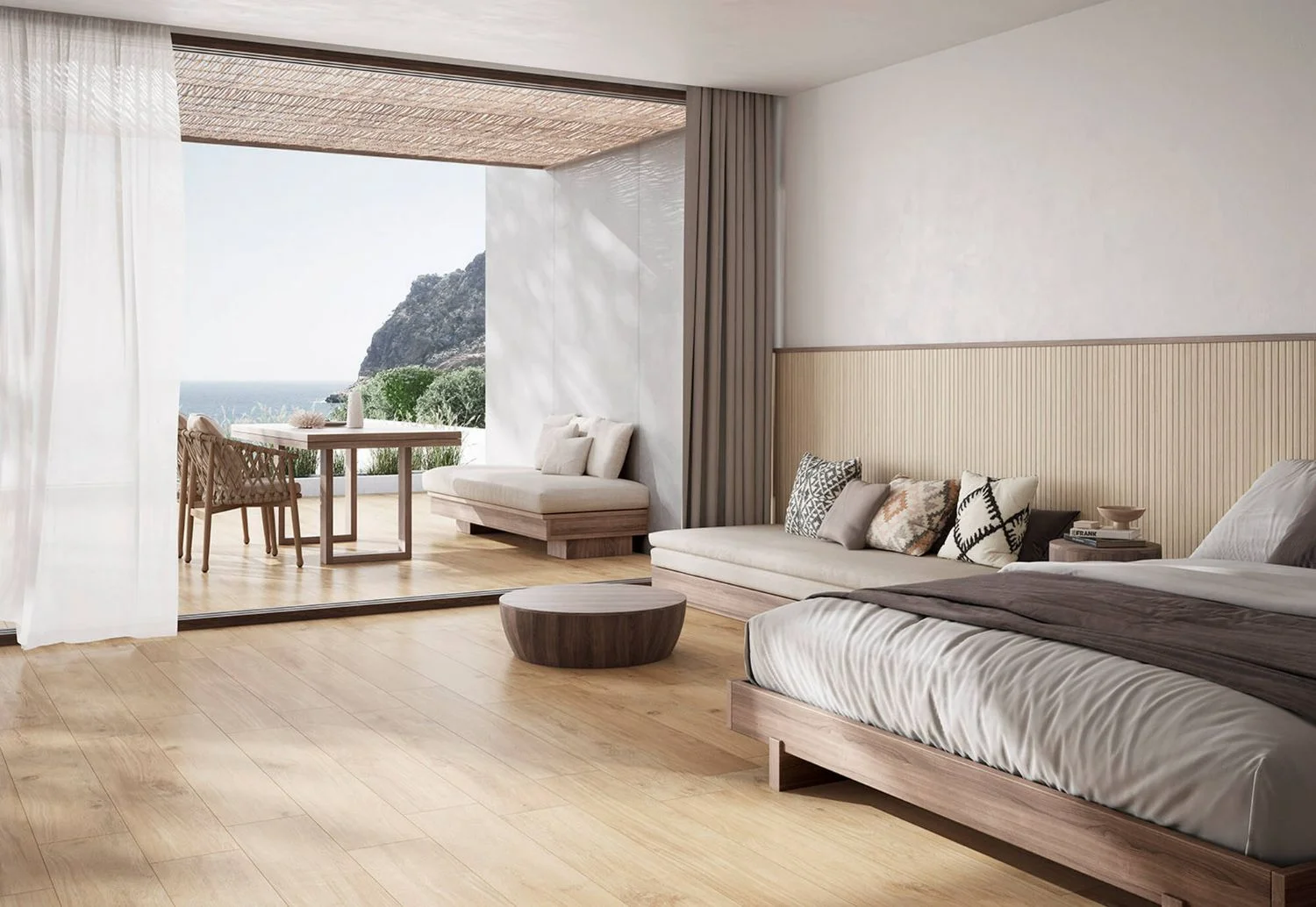
Design Verdict
Tile wins in moisture-prone or high-traffic areas, Wood requires more TLC.
Test #3: Comfort & Temperature
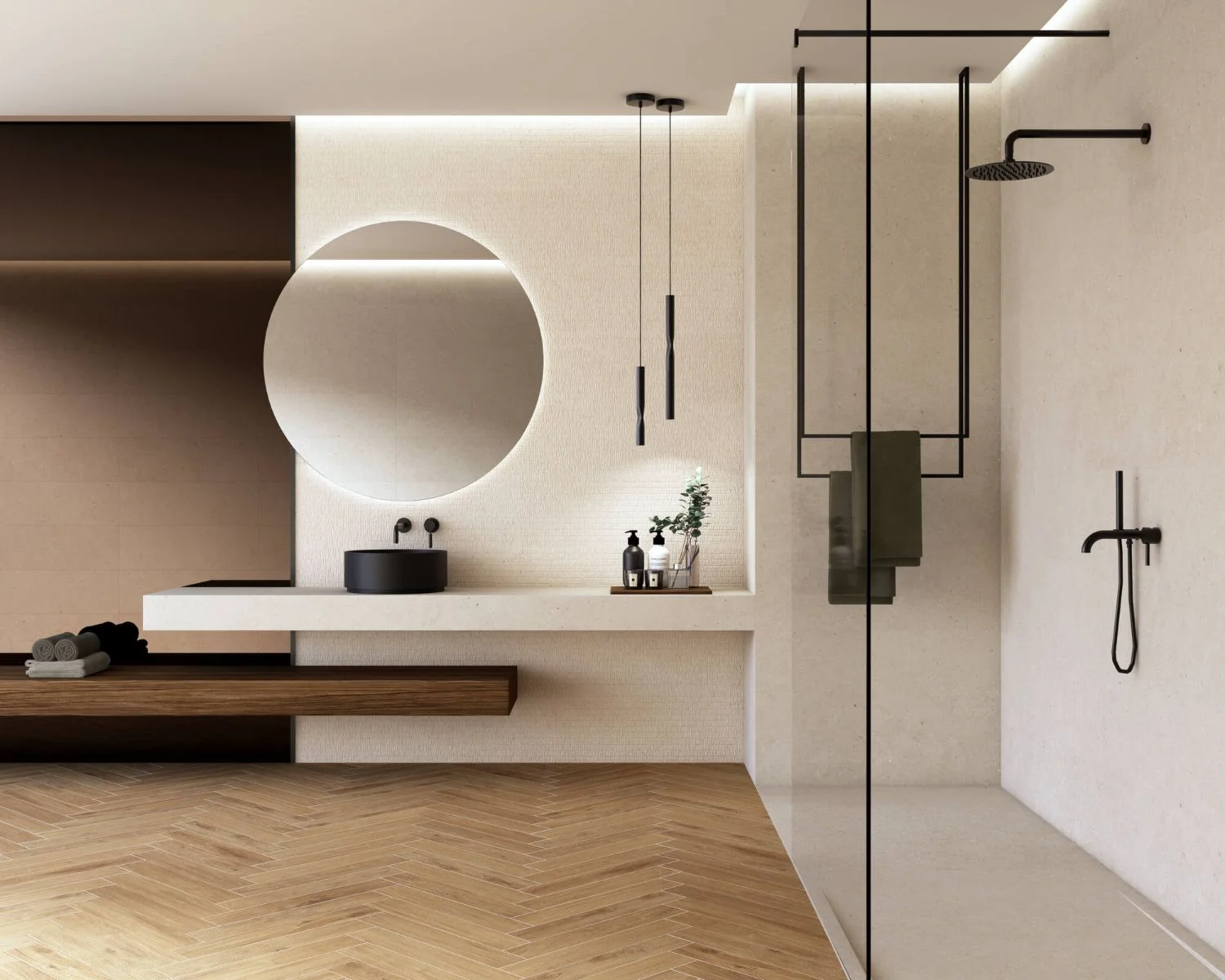
Wood naturally retains warmth, making it comfortable underfoot, especially in colder climates. It’s soft and flexible enough to cushion each step.
Tile tends to feel cool and hard, which is great in warmer climates or with radiant heating systems. However, standing on tile for extended periods can be tiring.
Comfort Verdict
Wood is warmer and softer, whereas tile is cooler and firmer
Test #4: Maintenance & Cleaning
Wood requires careful cleaning — typically sweeping or vacuuming, and occasional re-finishing. Avoid excessive water or harsh cleaners, as they can damage the finish.
Tile is extremely low maintenance. Regular sweeping and mopping with basic cleaners are all it takes. Plus, tile doesn’t harbor allergens like dust or pet dander.
Maintenance Verdict
Tile is the low-maintenance winner
Test #5: Water & Stain Resistance
This is where the divide is clearest.
Wood is susceptible to water damage. Spills, leaks, or even high humidity can cause expansion, warping, or staining.
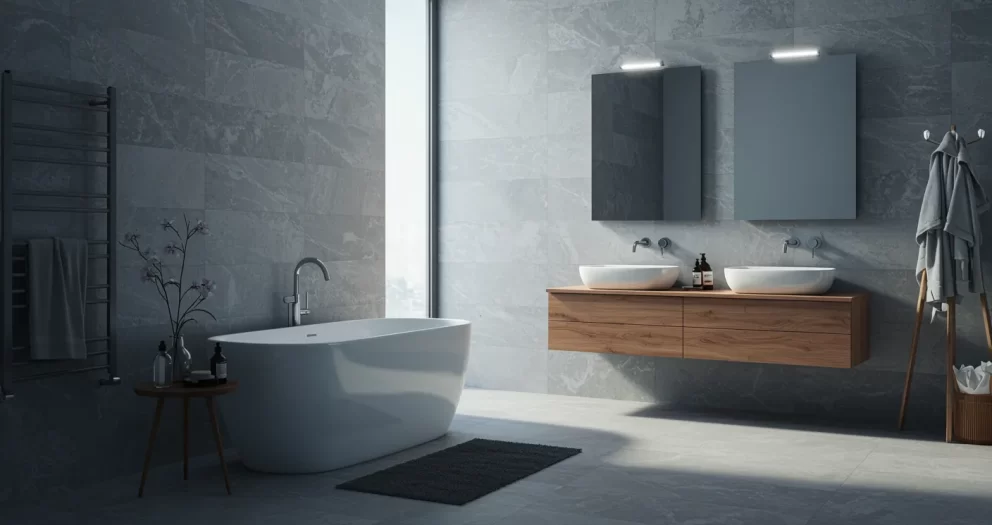
Tile is non-porous (when glazed or sealed) and highly resistant to water, making it perfect for bathrooms, laundry rooms, kitchens, or basements.

Water Resistance Verdict
Tile is the clear winner
Test #6: Installation & Cost
Wood flooring installation usually involves precise cutting, nailing, or gluing. It often requires underlayment, acclimation, and professional labor.
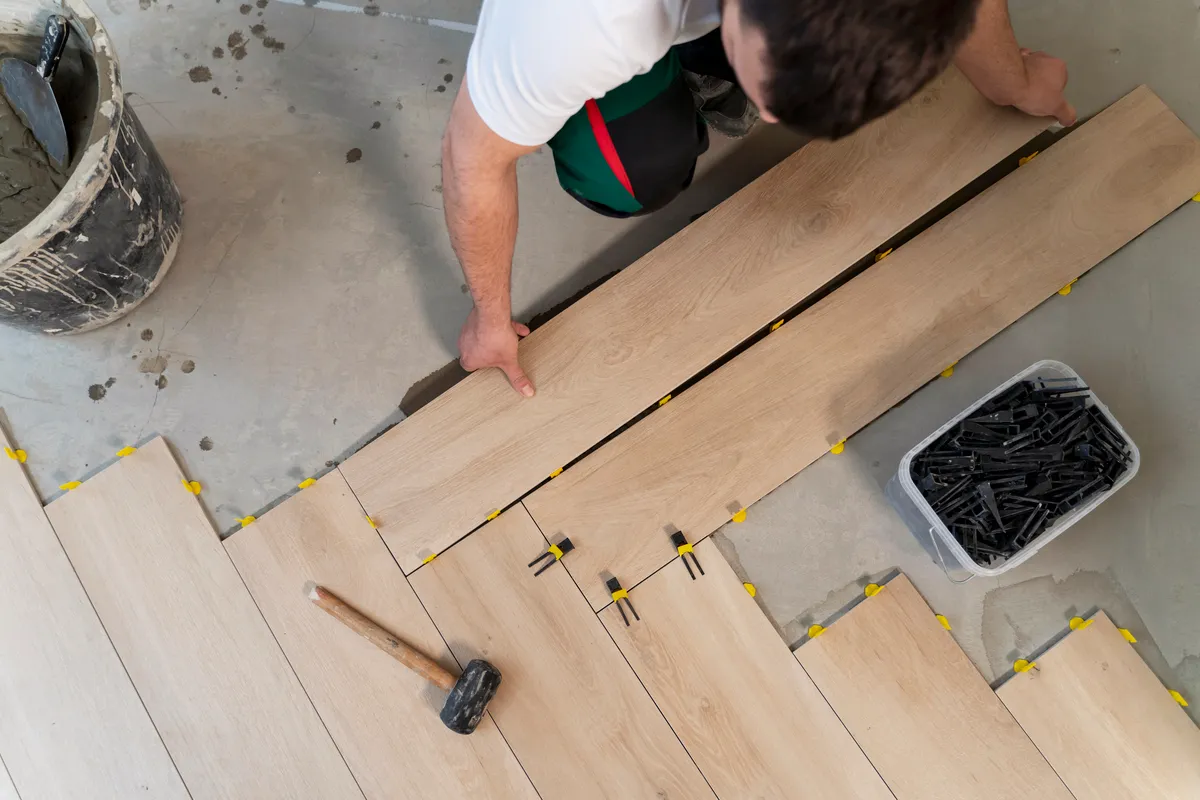
Tile installation requires mortar, grout, and often professional skills — especially with large-format or patterned tiles. DIY is possible, but more labor-intensive.
Cost Comparison
-
Hardwood: $8–$15/sq. ft. (plus refinishing every ~10 years)
-
Tile: $2–$10/sq. ft. (longer lifespan, minimal upkeep)
Design Verdict
Tile is more affordable upfront and long term
Test #7: Environmental & Health Factors
Wood is a renewable material, but deforestation and sourcing concerns can reduce sustainability. Look for FSC-certified or reclaimed wood options.
Tile (especially porcelain) is inorganic and hypoallergenic, made of natural clay and minerals. It doesn’t emit VOCs, making it safe for indoor air quality.
Sustainability Verdict
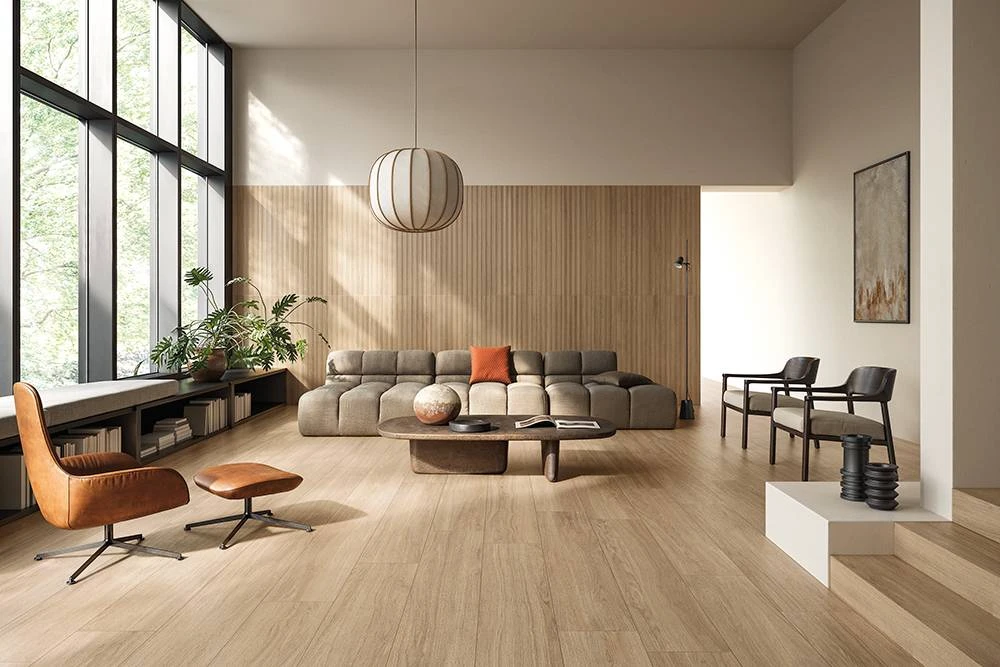
Tie — both can be eco-friendly with responsible sourcing
Test #8: Resale Value & Timelessness
Real hardwood floors are highly prized by homebuyers and often add resale value, especially in luxury homes.
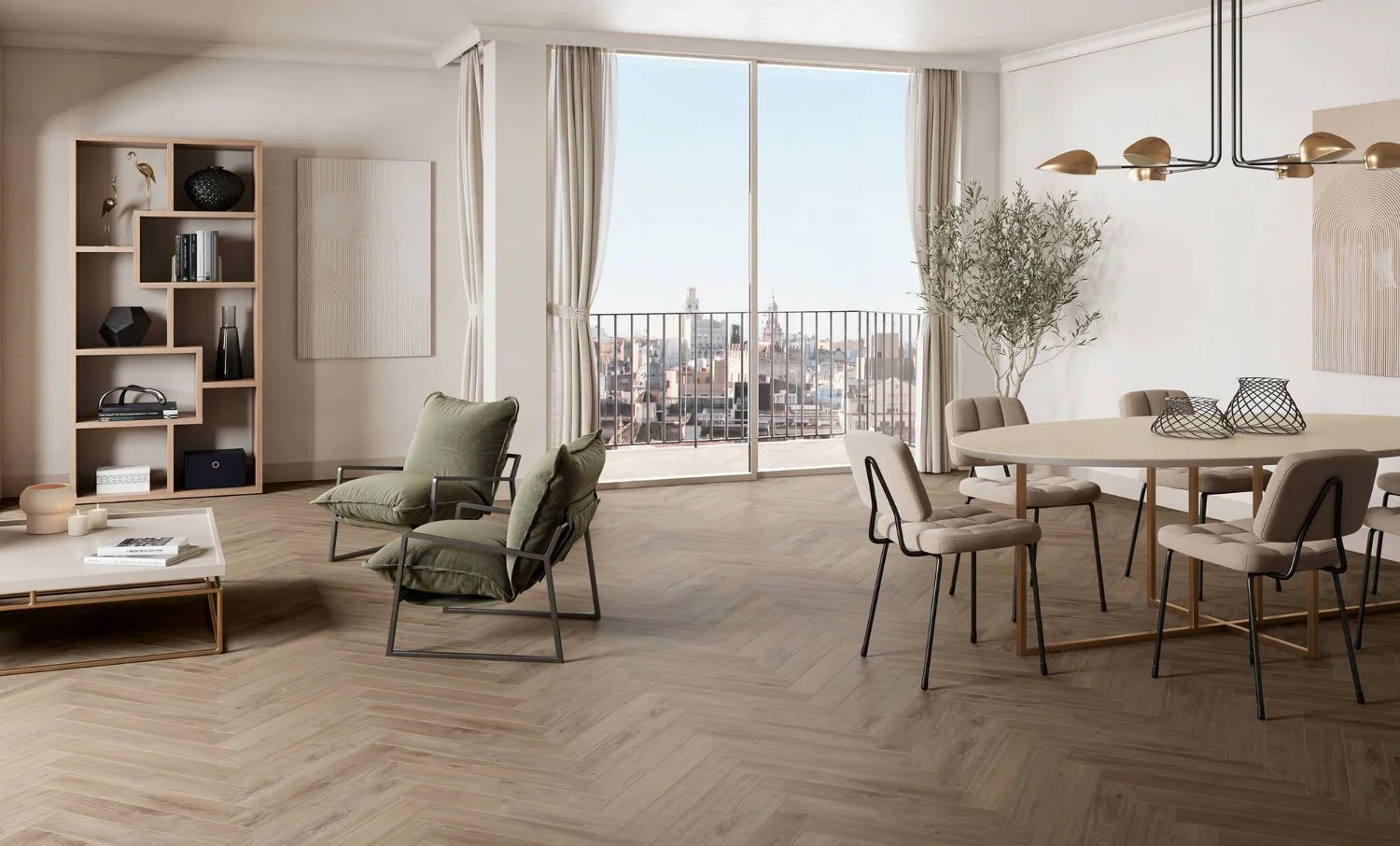
High-quality tile, especially stone-look or wood-look tile, can also impress — and last just as long — but might lack the “romantic” appeal of true wood in some markets.
Resale Verdict
Hardwood has a slight edge in perceived value
Final Thoughts: So, Which Should You Choose?
It all comes down to your lifestyle, budget, and aesthetic preferences:
-
Choose Wood If:
You want natural warmth and are okay with regular upkeep. Ideal for dry areas and cozy interiors. -
Choose Tile If:
You want durability, design versatility, and minimal maintenance. Perfect for busy homes, wet zones, and high-traffic areas.
Shop Tile at Tile Decor
At Tile Decor, we carry authentic wood-look porcelain tiles, stone-look tiles, and everything in between. Whether you’re after the warmth of walnut or the cool drama of Calacatta marble — you’ll find it in a durable, long-lasting tile.
Need help choosing? Contact our team or order samples to test in your space!
Common FAQs
Can I use wood in the bathroom?
Real wood is not recommended for wet zones. Wood-look tile is a safer, waterproof alternative.
Do wood-look tiles really look like wood?
Yes! Thanks to HD printing and textured finishes, many are indistinguishable from real wood.
Which lasts longer - tile or wood?
Which lasts longer — tile or wood?
Can I combine tile and wood in the same space?
Absolutely! Use transition trims for a seamless look.