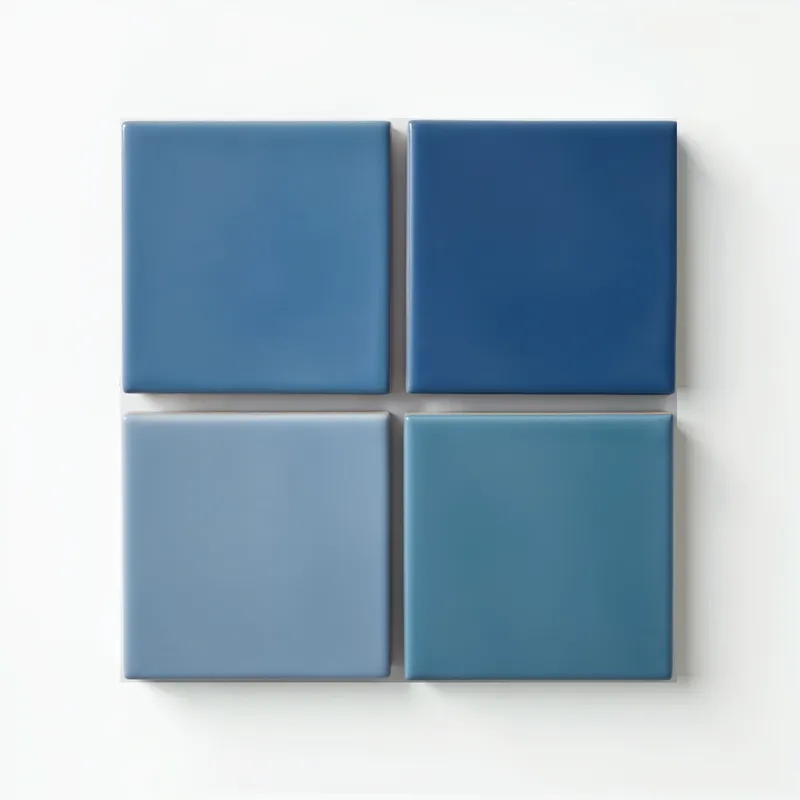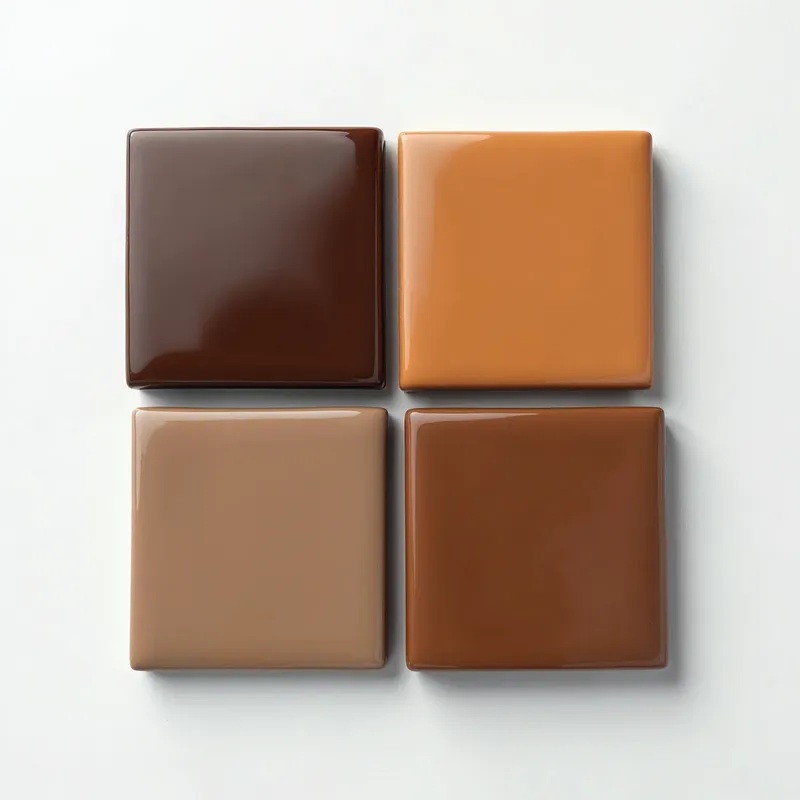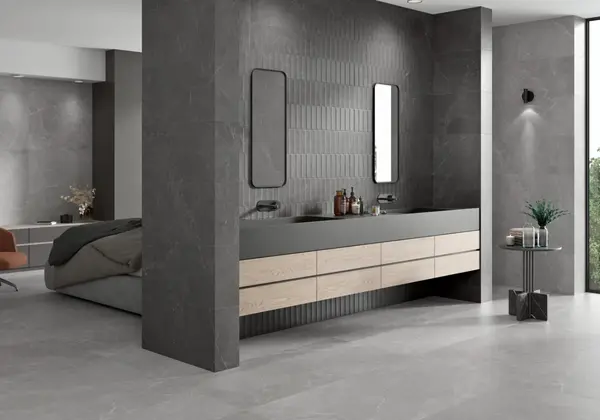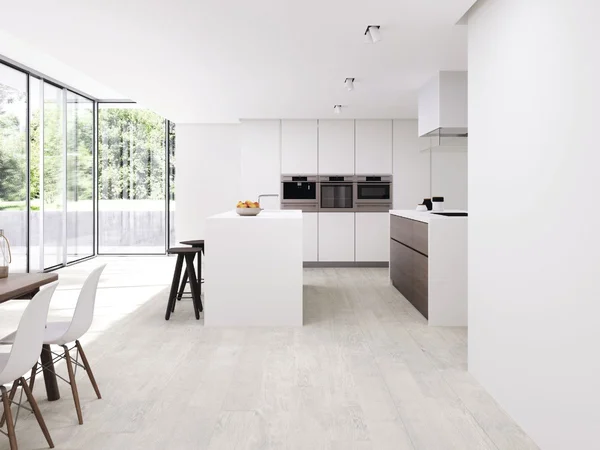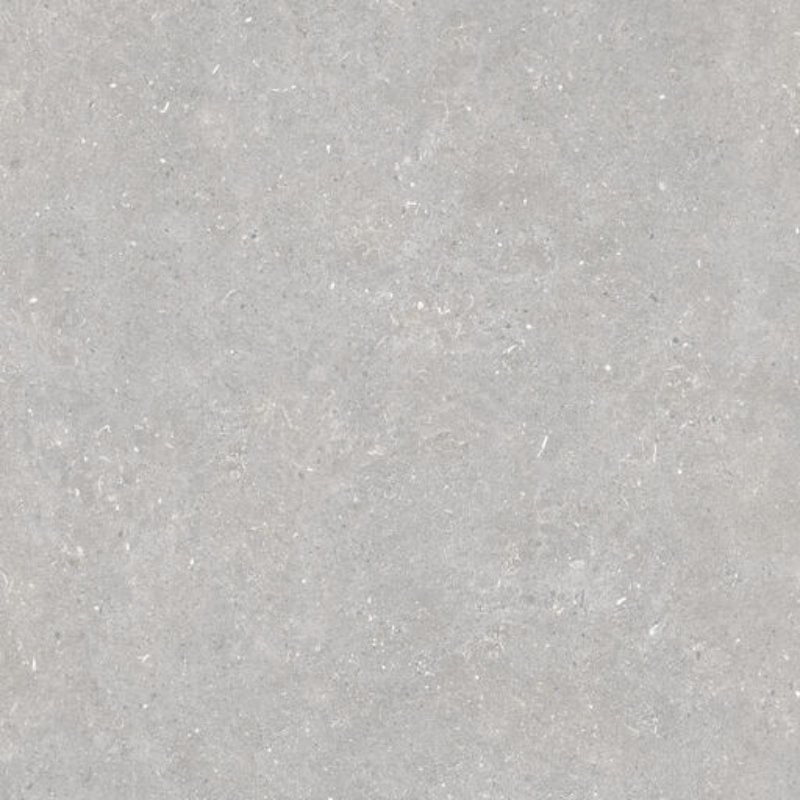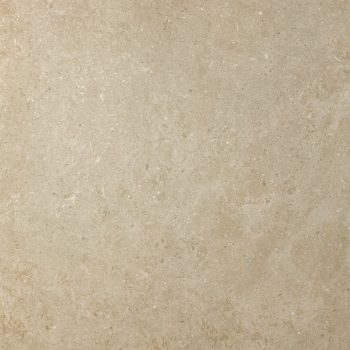



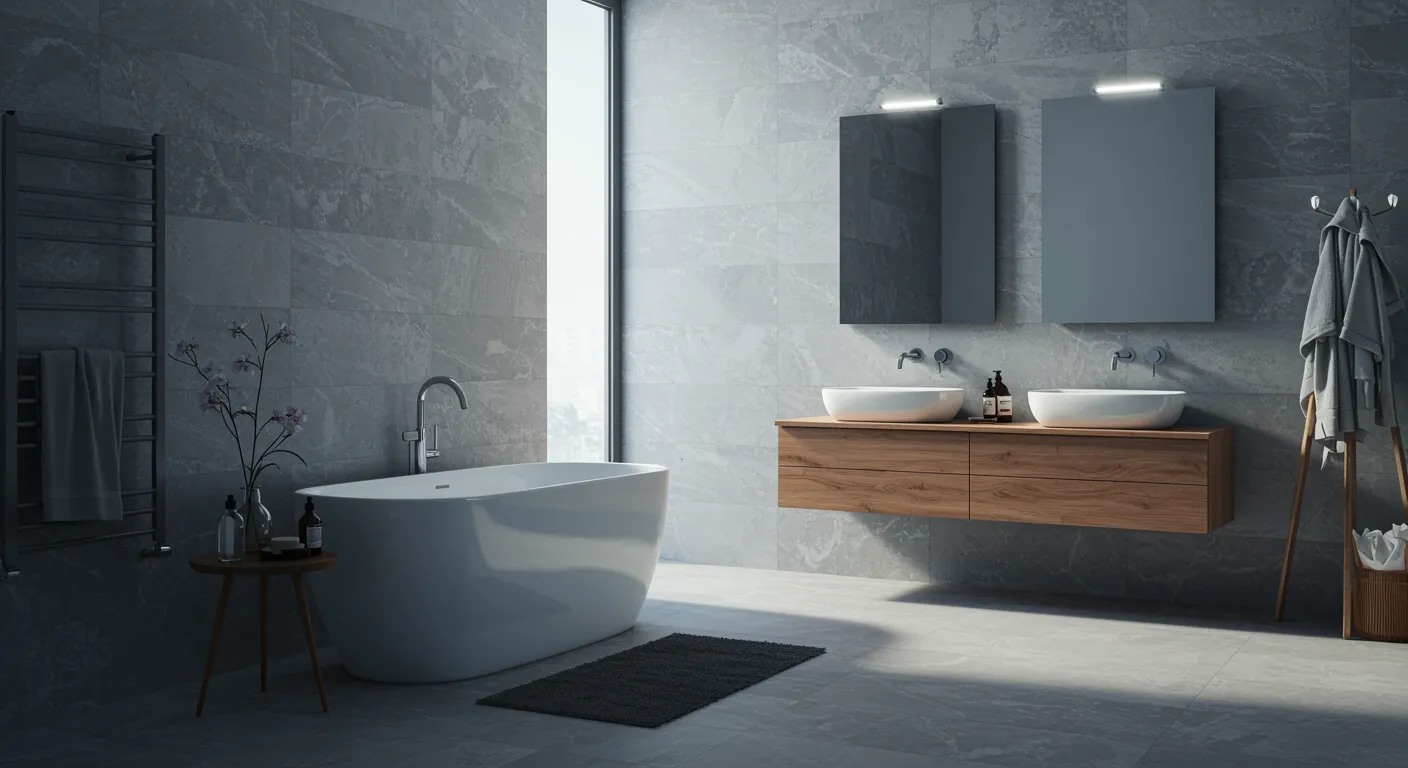
Choosing the perfect bathroom tile is a pivotal decision in any home renovation or new construction project. Tiles not only define the aesthetic of your bathroom but also impact its functionality, maintenance, and longevity. With a myriad of options available, from materials and sizes to colors and patterns, making the right choice can be daunting. This comprehensive guide will walk you through the essential considerations to help you select bathroom tiles that align with your style, needs, and budget.
Understanding Tile Materials
The material of your bathroom tile plays a crucial role in its durability, water resistance, and maintenance requirements. Here are the most common tile materials:
1. Ceramic Tiles
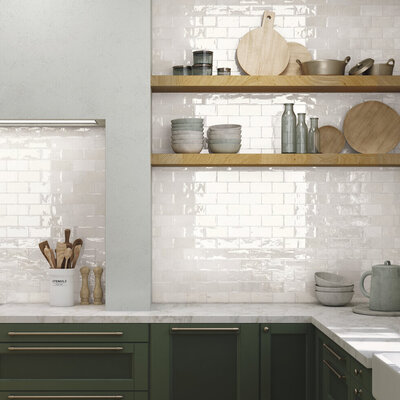
Ceramic tiles are made from clay and fired at high temperatures. They are versatile, cost-effective, and come in various colors and designs. Glazed ceramic tiles are water-resistant and easy to clean, making them suitable for walls and low-traffic floor areas.
2. Porcelain Tiles
Porcelain tiles are denser and more durable than ceramic tiles. They have a low water absorption rate, making them ideal for high-moisture areas like showers and bathroom floors. Porcelain tiles can mimic natural stone or wood textures, offering both functionality and aesthetic appeal.
3. Natural Stone Tiles
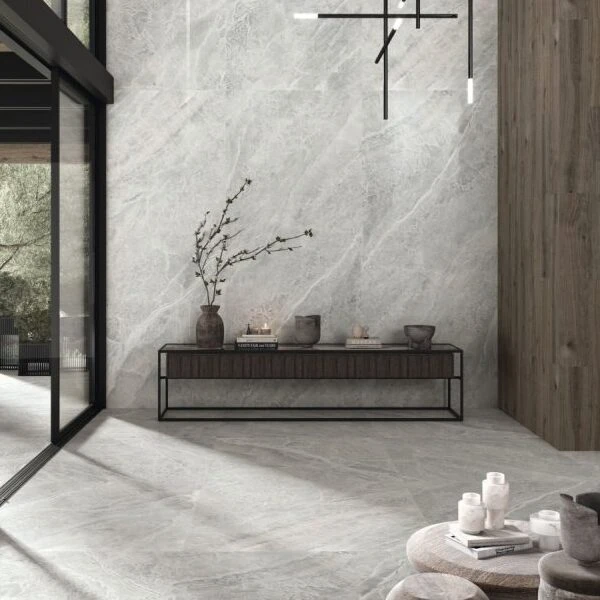
Natural stone tiles, such as marble, granite, slate, and travertine, provide a luxurious and unique look. However, they are porous and require sealing to prevent water damage and staining. Maintenance can be more intensive compared to ceramic or porcelain tiles.
4. Glass Tiles
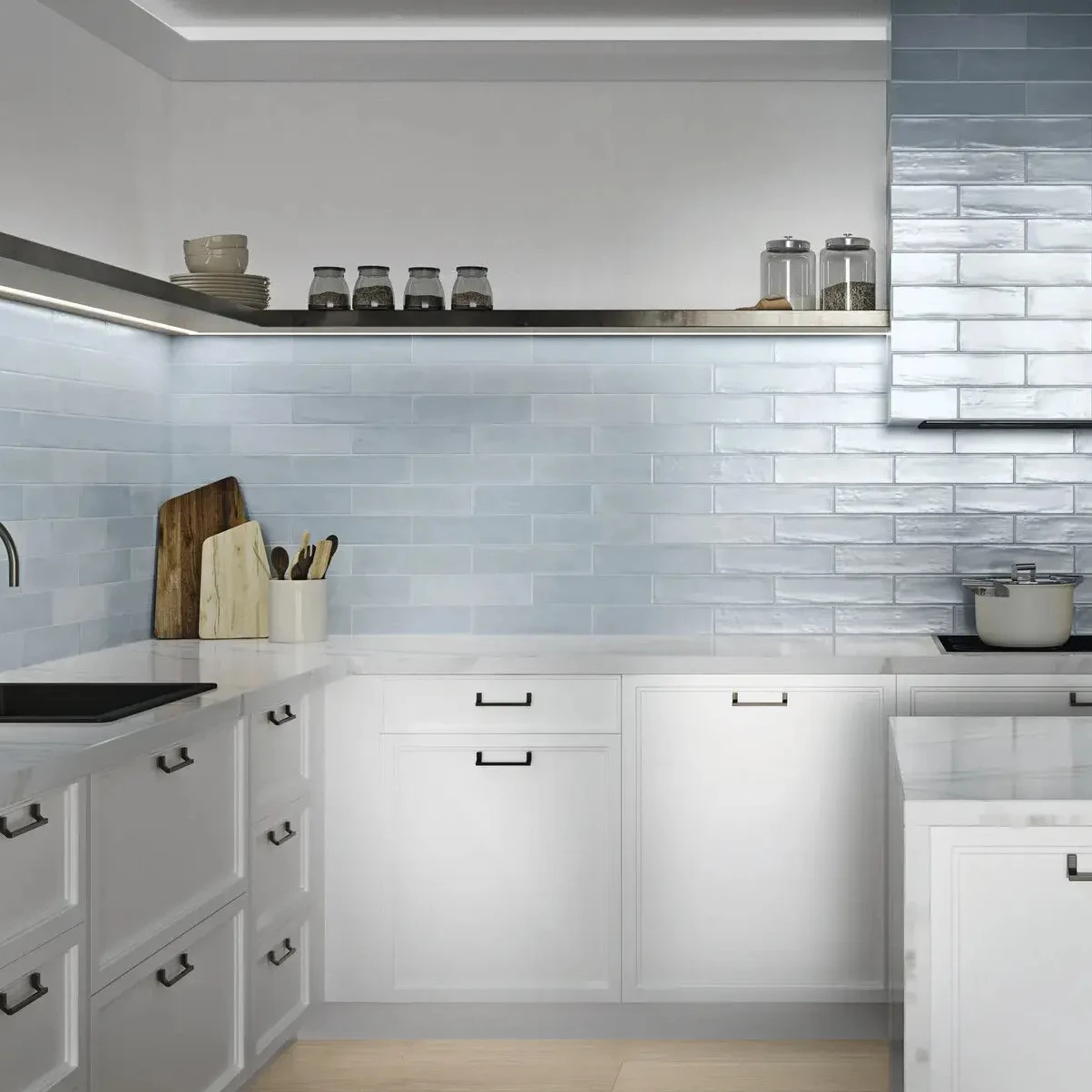
Glass tiles are non-porous and resistant to mold and mildew, making them suitable for backsplashes and accent walls. They reflect light, adding brightness and a sense of space to the bathroom. However, they can be slippery when used on floors and may require professional installation.
Selecting the Right Tile Size and Shape
Tile size and shape can significantly influence the perception of space in your bathroom.
1. Large Format Tiles
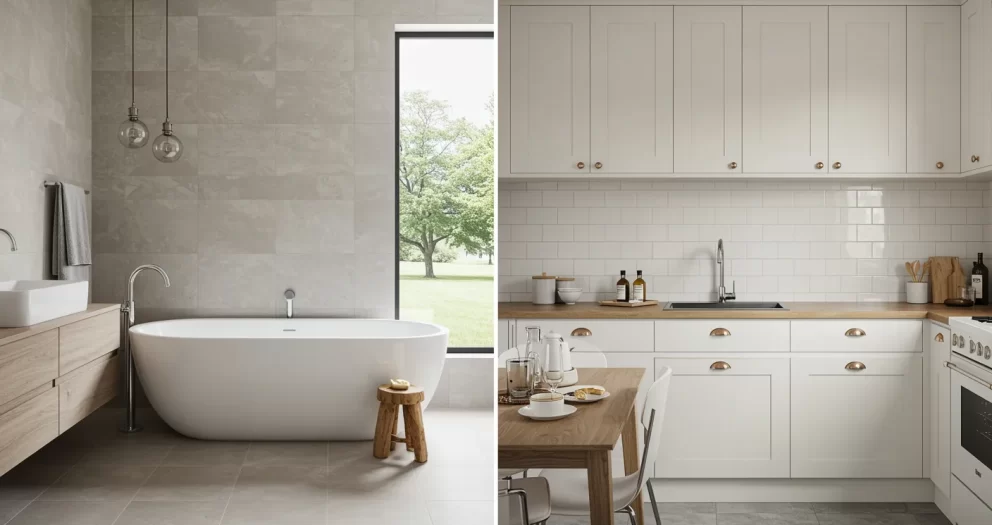
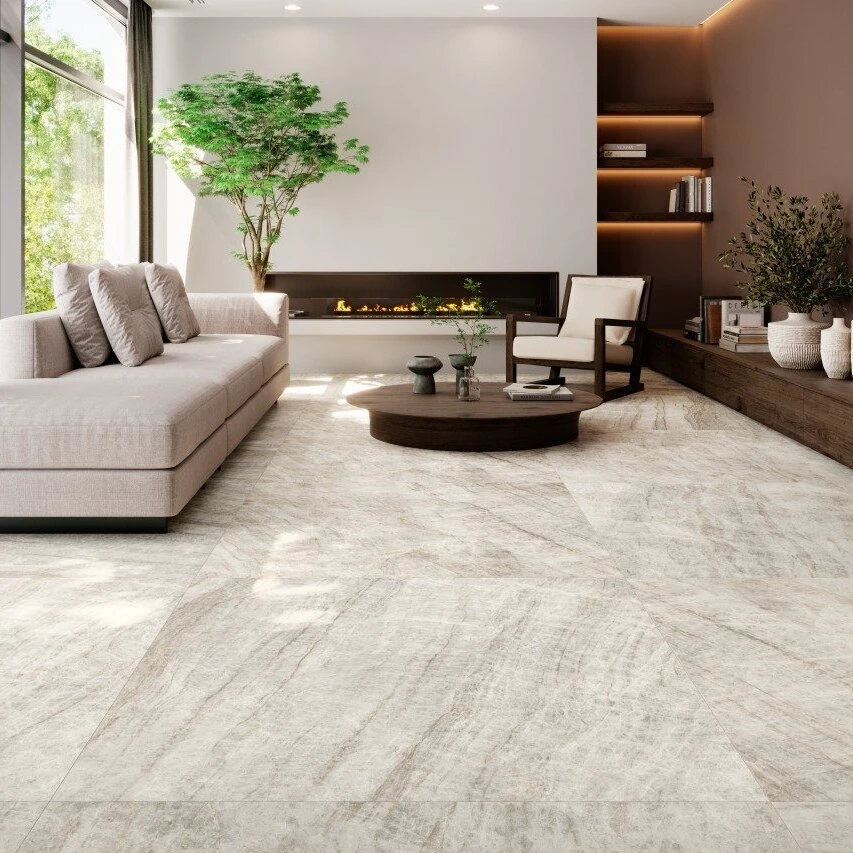
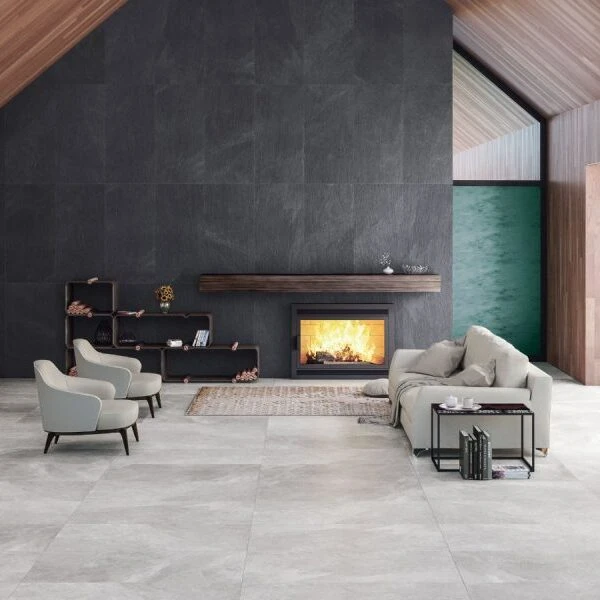
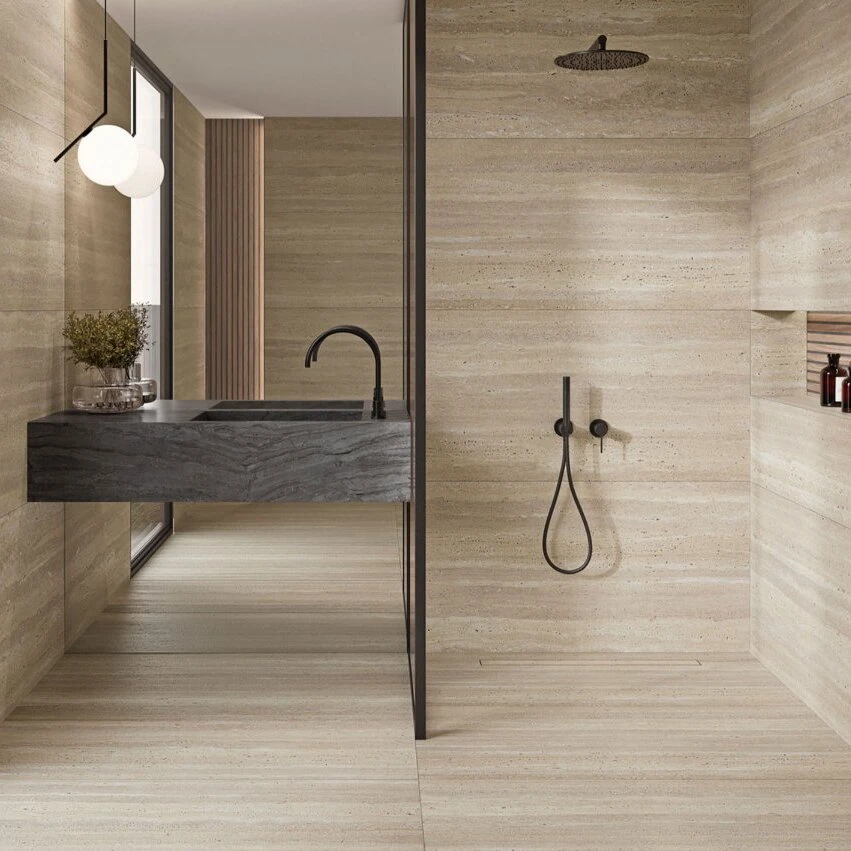
Large tiles (e.g., 24×48 inches) create a seamless look with fewer grout lines, making small bathrooms appear more spacious. They are ideal for floors and walls, providing a modern and clean aesthetic.
Shop Bathroom Large Format Tile
2. Small Tiles
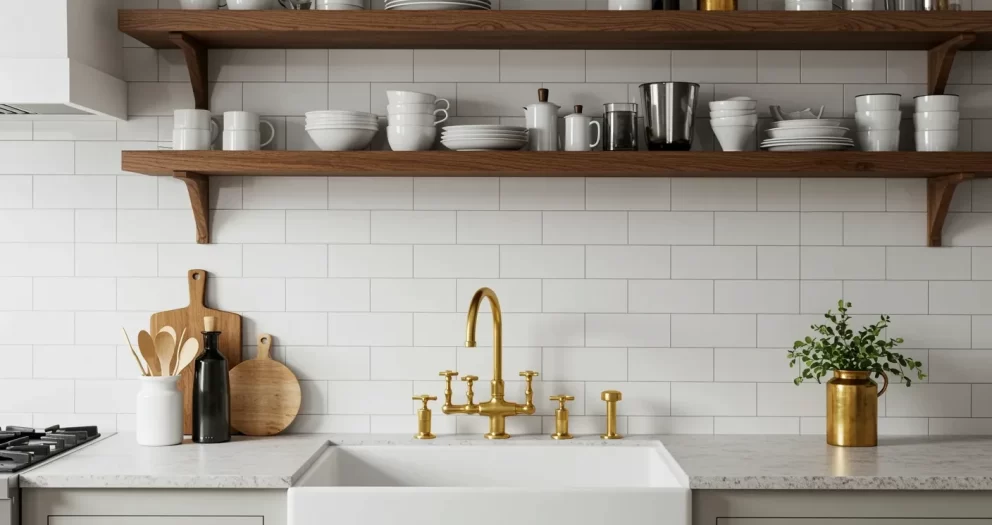
Smaller tiles, such as mosaics or penny tiles, offer more grout lines, which can provide better slip resistance. They are excellent for shower floors and areas requiring more traction. However, they may require more maintenance due to the increased grout lines.
3. Unique Shapes
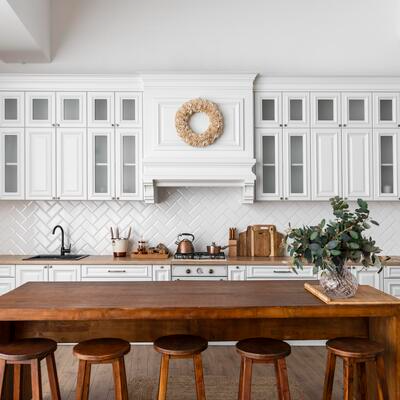
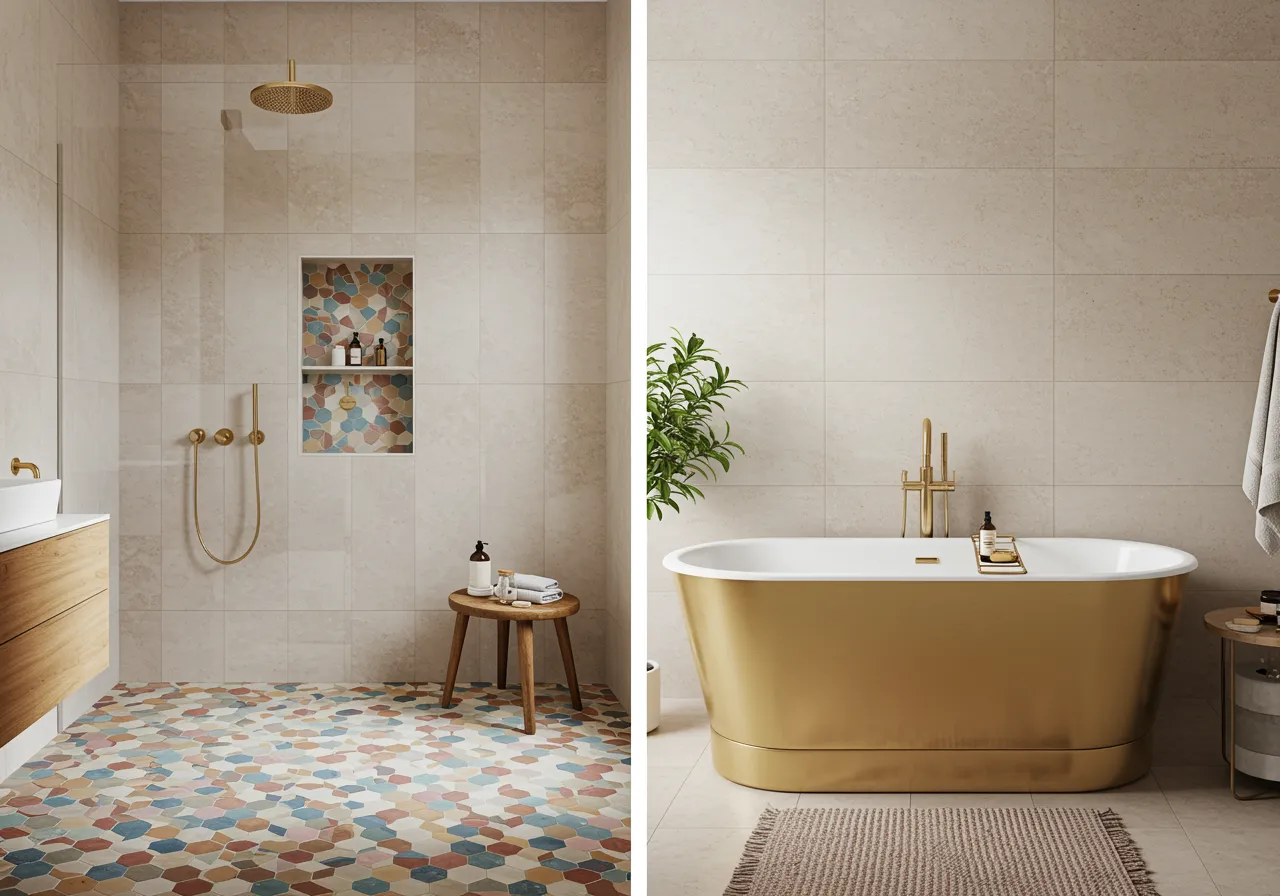
Tiles come in various shapes like hexagons, arabesques, and chevrons. These shapes can add visual interest and personality to your bathroom. Consider using unique shapes for accent walls or niche areas to create focal points.
Choosing the Perfect Color and Pattern
Color and pattern choices set the tone for your bathroom’s ambiance.
1. Neutral Tones
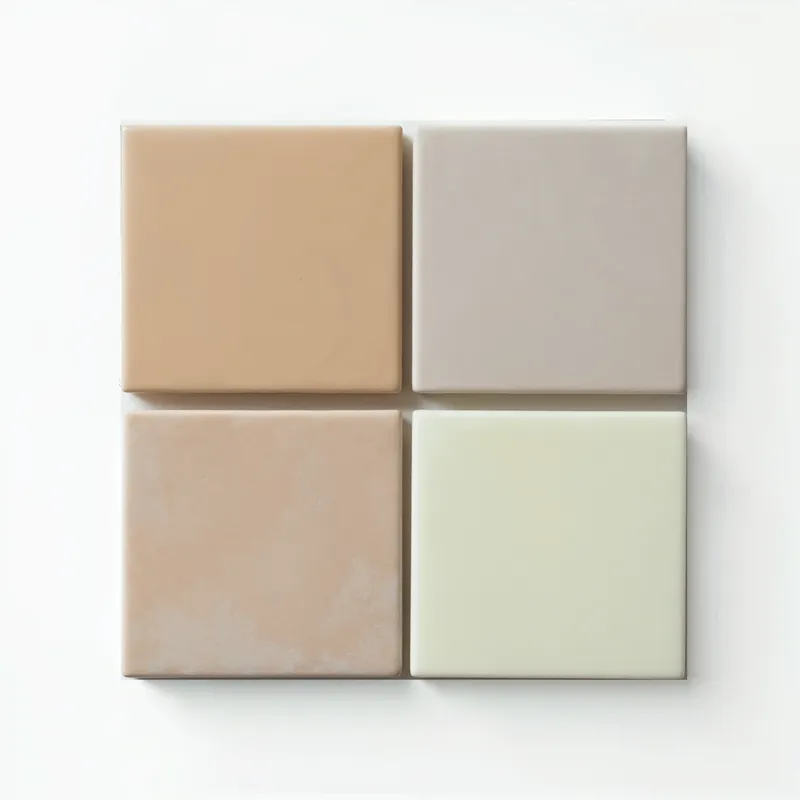
Neutral colors like white, beige, and gray create a timeless and calming environment. They also make the space feel larger and brighter. Neutral tiles provide a versatile backdrop, allowing you to change accessories and decor easily.
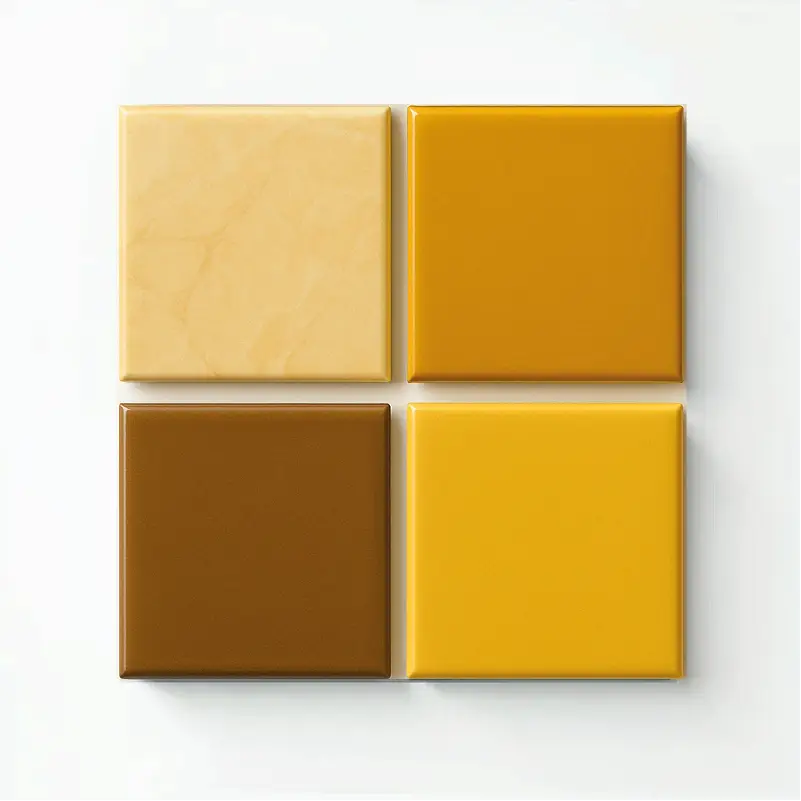
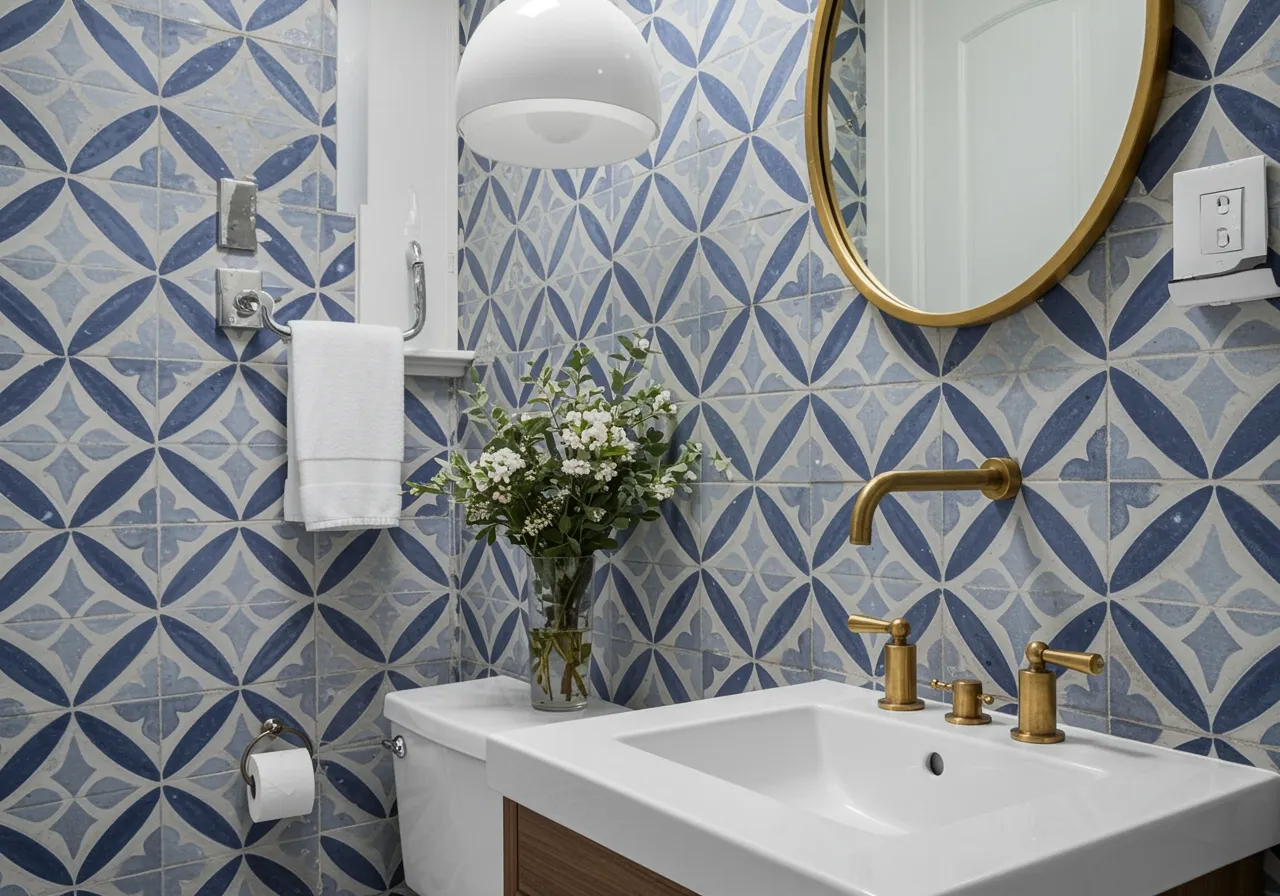
2. Bold Colors and Patterns
Bold colors and intricate patterns can add character and vibrancy to your bathroom. Consider using them as accent tiles or feature walls to avoid overwhelming the space. Balance bold tiles with neutral elements to maintain harmony.
3. Wood and Stone Looks
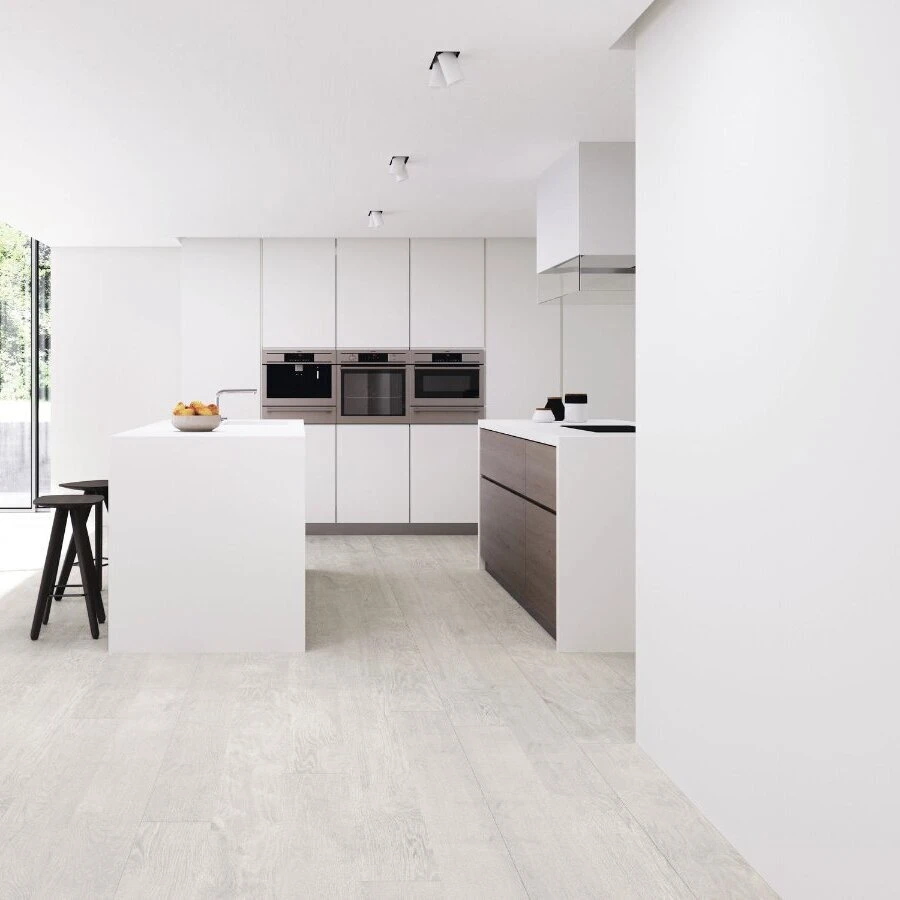
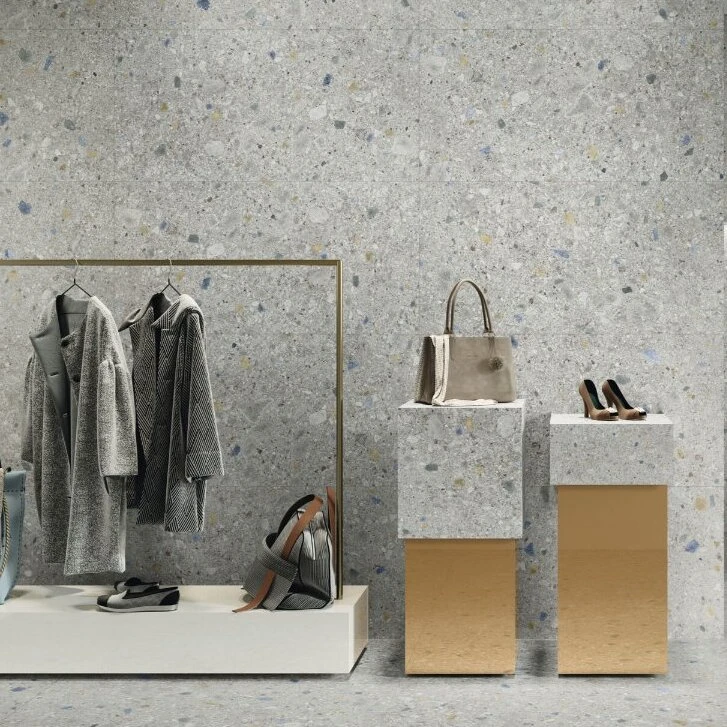
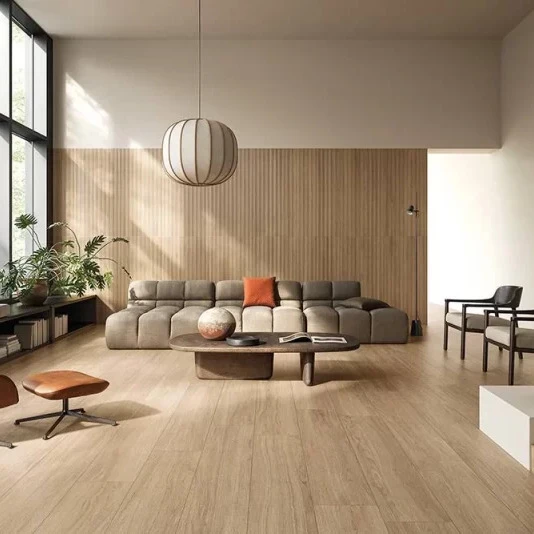
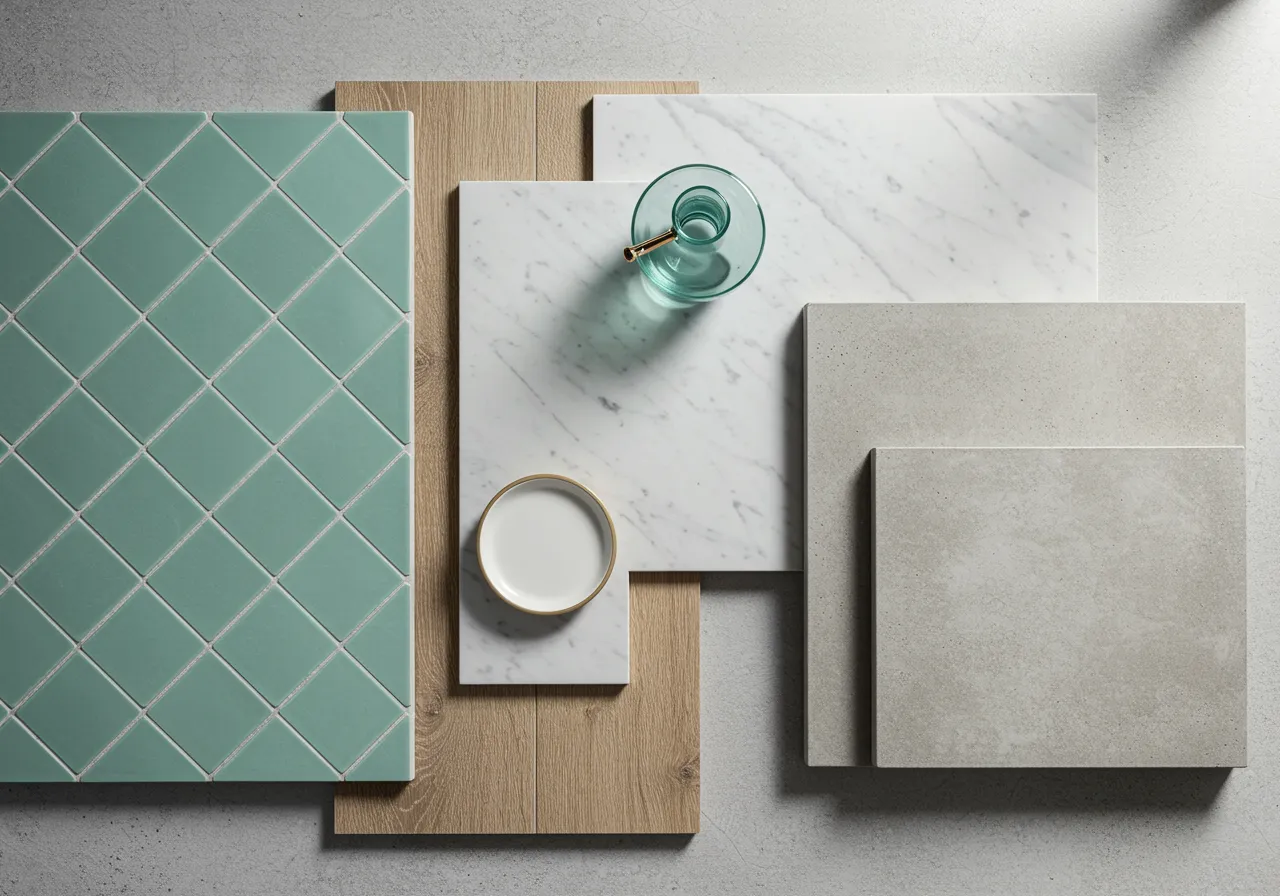
Tiles that mimic wood or natural stone offer the beauty of these materials with the durability and water resistance of tile. They are perfect for achieving a rustic or spa-like atmosphere without the maintenance concerns of real wood or stone.
Understanding Tile Finishes
The finish of a tile affects its appearance and functionality.
1. Matte Finish
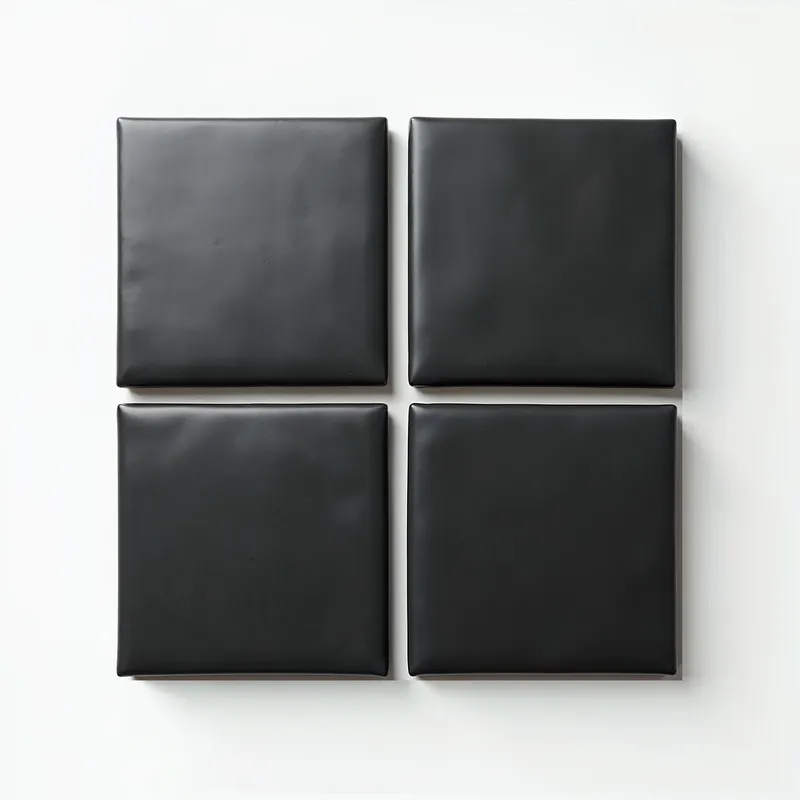
Matte tiles have a non-reflective surface, providing a soft and natural look. They offer better slip resistance, making them suitable for floors. However, they may require more frequent cleaning as they can show dirt more easily.
Shop Matte-Finished Bathroom Tile
2. Polished Finish
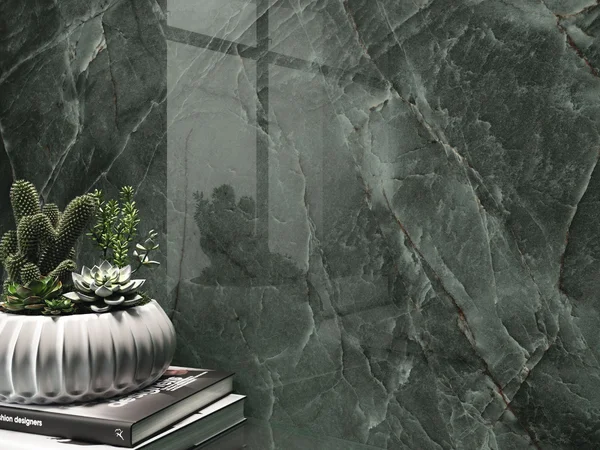
Polished tiles have a shiny, reflective surface that can make spaces appear larger and brighter. They are easy to clean but can be slippery when wet, so they are better suited for walls and low-traffic areas.
Grout Selection and Maintenance
Grout color and type can impact the overall look and maintenance of your tiled surfaces.
1. Grout Color
Choosing a grout color that matches your tiles creates a seamless look, while contrasting grout can highlight the tile pattern. Consider the desired visual effect and maintenance implications, as lighter grout may show stains more easily.
2. Grout Type
Epoxy grout is more durable and stain-resistant than cement-based grout, making it ideal for high-moisture areas. However, it can be more challenging to work with and may require professional installation.
Practical Considerations
Beyond aesthetics, consider the following practical aspects when choosing bathroom tiles:
1. Slip Resistance
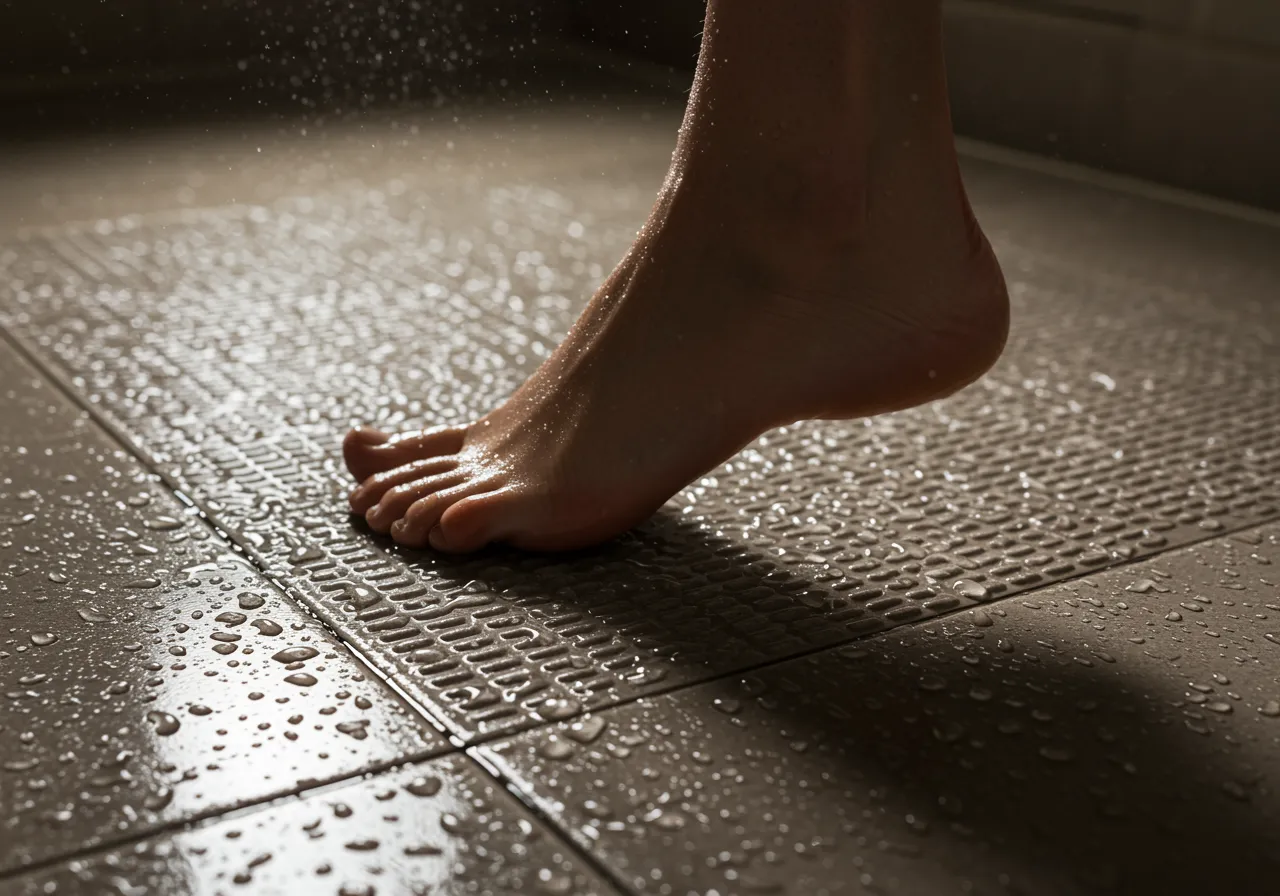
Safety is paramount in wet areas. Look for tiles with a high slip resistance rating (e.g., R10 or higher) for floors, especially in showers. Textured surfaces and smaller tiles with more grout lines can also enhance traction.
2. Maintenance
Consider the ease of cleaning and maintenance. Porcelain and glazed ceramic tiles are low-maintenance options. Natural stone tiles require regular sealing and specific cleaning products to maintain their appearance.
3. Durability
Tiles used on bathroom floors need to be tougher than wall tiles. Look for tiles rated for floor use, especially in high-traffic areas or homes with children and pets. Porcelain is a top choice for durability, followed closely by natural stone (if properly sealed) and high-quality ceramic.
4. Budget
Tile costs vary greatly depending on the material, size, and design. Natural stone tiles are typically more expensive, both in product and installation, due to the labor involved. Ceramic and porcelain tiles offer a wide range of price points. Factor in not just the tile cost but also installation, grout, and potential sealing or maintenance costs.
Bathroom Areas Tile Recommendations
Different areas of the bathroom may benefit from different tile types.
1. Shower Walls
- Choose water-resistant tiles like porcelain, ceramic, or glass.
- Glossy finishes can help with cleaning, but matte tiles offer better grip if extended to floors.
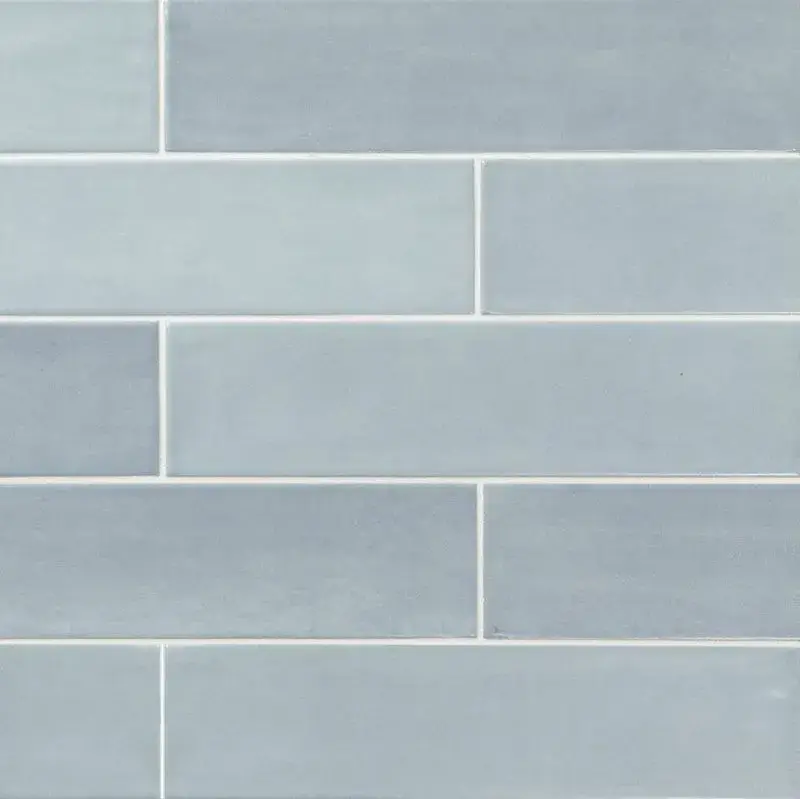
- Subway tiles or large format slabs reduce grout lines and add a clean, modern look.
2. Shower Floors
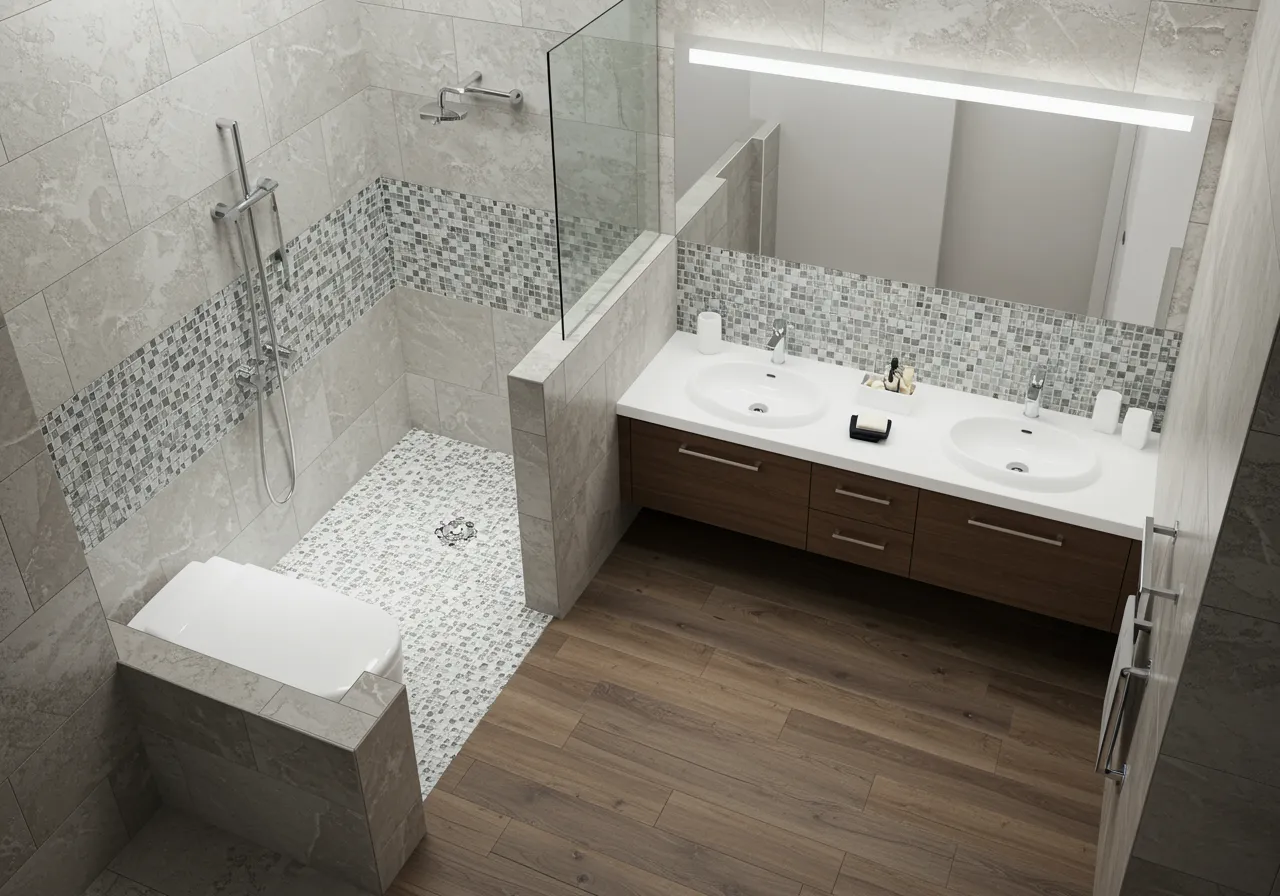
- Smaller tiles (e.g., mosaics) work best to conform to slopes and drains.
- Opt for textured surfaces to improve slip resistance.
- Porcelain mosaics are durable and water-resistant.
3. Bathroom Floors
- Porcelain is ideal due to its toughness and low absorption.
- Large tiles can make the floor feel more open, while patterns like herringbone or hexagon add style.
- Ensure a proper slip rating, especially for households with elderly members.
4. Bathroom Walls & Backsplashes
- You have more freedom here, as these areas aren’t underfoot.-
- Decorative tiles, glass, or patterned ceramics can serve as beautiful accents.
- Consider waterproofing areas behind vanities and sinks with tile to prevent moisture damage.
Tile Trends & Style Tips
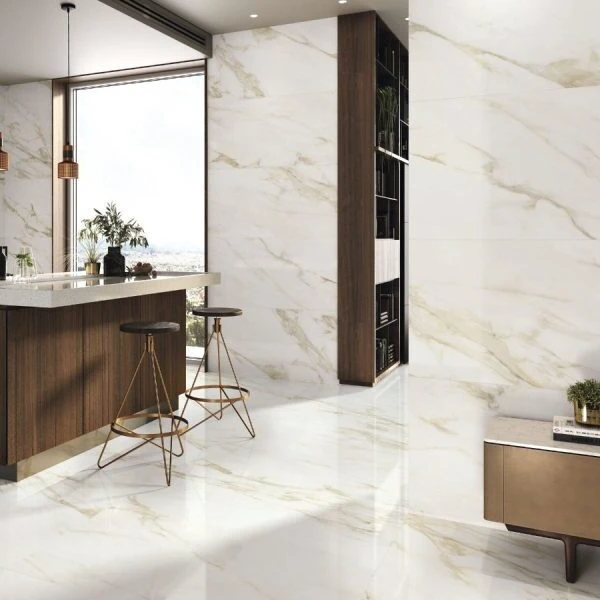
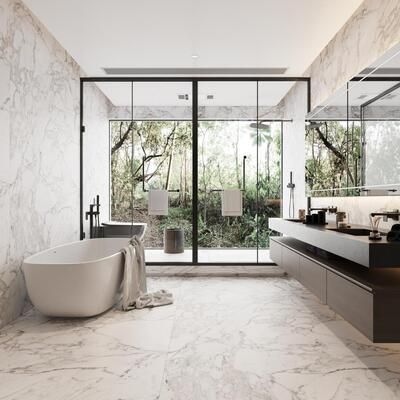
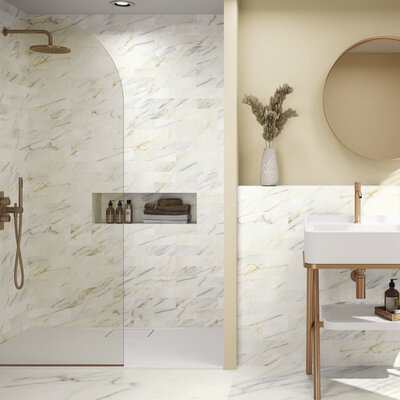
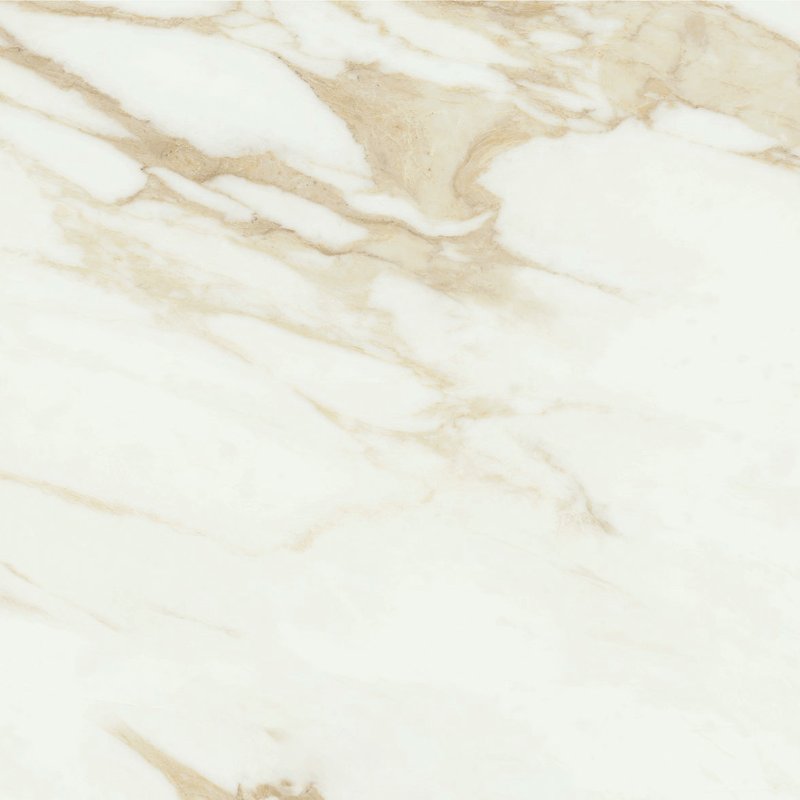
1. Marble-Look Tiles
- Achieve a high-end, luxurious look at a lower cost.
- Available in both ceramic and porcelain formats.
- Pair with gold fixtures for a glam finish.
Shop Marble-Look Bathroom Tile
2. Bold Patterns
- Use encaustic cement tiles or patterned porcelains for an eye-catching feature wall or floor.
- Great in powder rooms or for making a style statement.
3. Neutral & Natural Tones
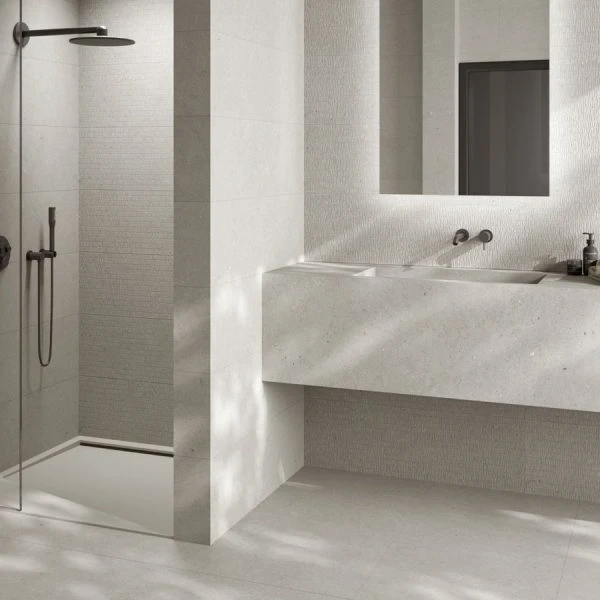
- Soft grays, warm taupes, and off-whites remain timeless.
- These tones create a calming, spa-like feel.
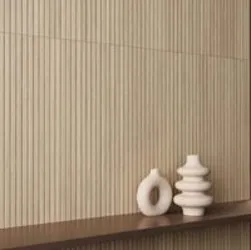
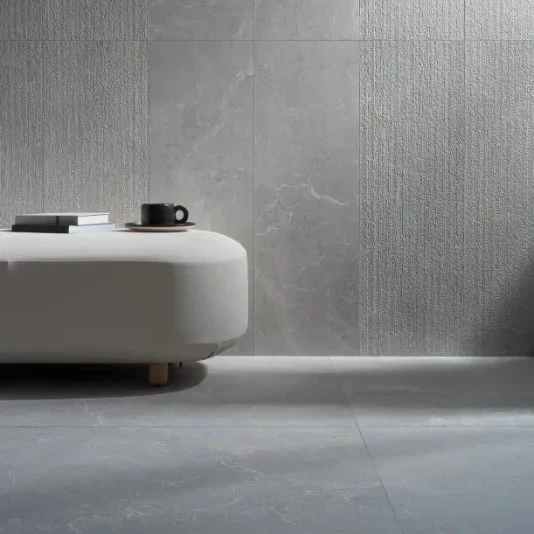
4. Textured & 3D Tiles
- Add dimension and tactile interest to walls.
- Best used on a single wall or niche to avoid visual clutter.
Installation & Layout Tips
1. Professional Installation
While small projects may be DIY-friendly, professional tile installation ensures proper surface prep, waterproofing, and layout. This is especially important in showers where water intrusion can cause major damage.
2. Tile Layout Matters
- Horizontal layouts can make a bathroom feel wider.
- Vertical layouts can enhance ceiling height.
- Diagonal or herringbone patterns add sophistication and movement.
3. Use Schluter or Edging Trim
Unfinished tile edges can look raw. Use matching or contrasting edging (e.g., Schluter trim) for a clean, professional finish.
Top Mistakes to Avoid
- Ignoring Slip Ratings – especially on shower floors.
- Choosing the Wrong Grout Color – it can make or break your design.
- Overusing Patterns – can overwhelm small spaces.
- Skipping Sealing – natural stone without sealant can stain quickly.
- Using Wall Tile on Floors – not all tiles are rated for floor traffic.
Final Thoughts
Choosing bathroom tile is about balancing beauty, functionality, and safety. With a solid understanding of materials, finishes, sizes, and layout options, you can transform any bathroom into a space that’s both stunning and practical. Whether you’re aiming for a minimalist retreat or a bold design statement, the right tiles will elevate your bathroom for years to come.
Ready to Transform Your Bathroom?
Explore the latest bathroom tile styles, get expert help, and order samples straight to your door.
Shop Bathroom Tiles Now Book a Free Design Consultation10 Most Common FAQs
What is the best tile material for bathroom floors?
Porcelain is widely considered the best for bathroom floors due to its durability, low water absorption, and design versatility.
Are larger tiles better in small bathrooms?
Yes. Large-format tiles with fewer grout lines can make small bathrooms feel more spacious and less cluttered.
What’s the difference between ceramic and porcelain tile?
Porcelain is denser, less porous, and more durable than ceramic, making it better for wet or high-traffic areas. Ceramic is easier to cut and install and generally less expensive.
How do I make my bathroom tile slip-resistant?
Choose tiles with textured surfaces, smaller sizes (more grout lines = more grip), or a high slip rating (R10 or higher). Avoid glossy finishes on floors.
Should grout match or contrast with tile?
It depends on your design goal. Matching grout creates a seamless look, while contrasting grout highlights tile shapes and patterns.
How can I clean and maintain my bathroom tiles?
Use non-abrasive cleaners, especially for natural stone. Clean grout regularly with mild cleaners, and re-seal stone tiles as recommended (usually annually).
Can I use wood-look tiles in bathrooms?
Absolutely. Porcelain wood-look tiles are waterproof and mimic the warmth of wood, making them great for adding coziness to bathrooms.
Are matte or glossy tiles better?
Matte tiles are better for floors due to their slip resistance, while glossy tiles work well on walls for their light-reflective quality and easy cleaning.
How do I choose a tile layout?
Layout depends on your space and style. Herringbone adds elegance, vertical lines can elongate a wall, and stacked patterns offer a modern touch.
Do I need to waterproof under my tiles?
Yes, especially in showers and around tubs. A proper waterproofing membrane beneath tiles prevents mold, mildew, and water damage.