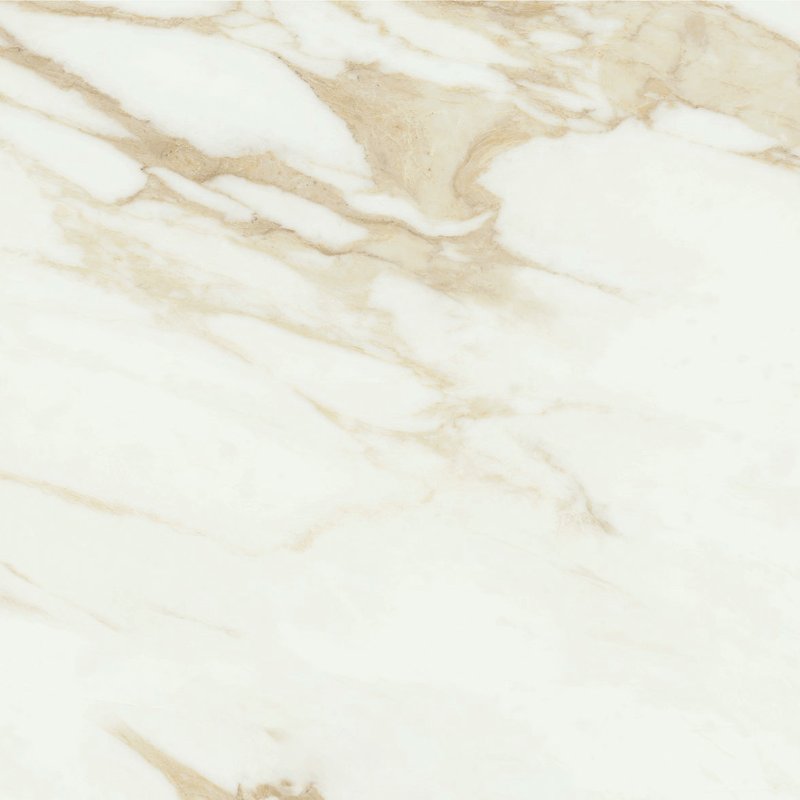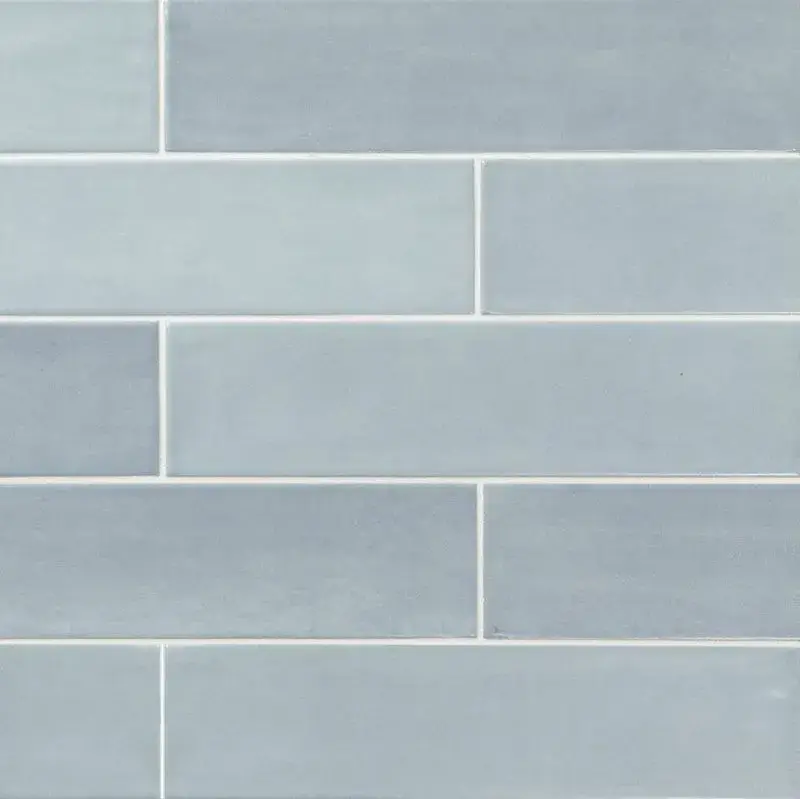



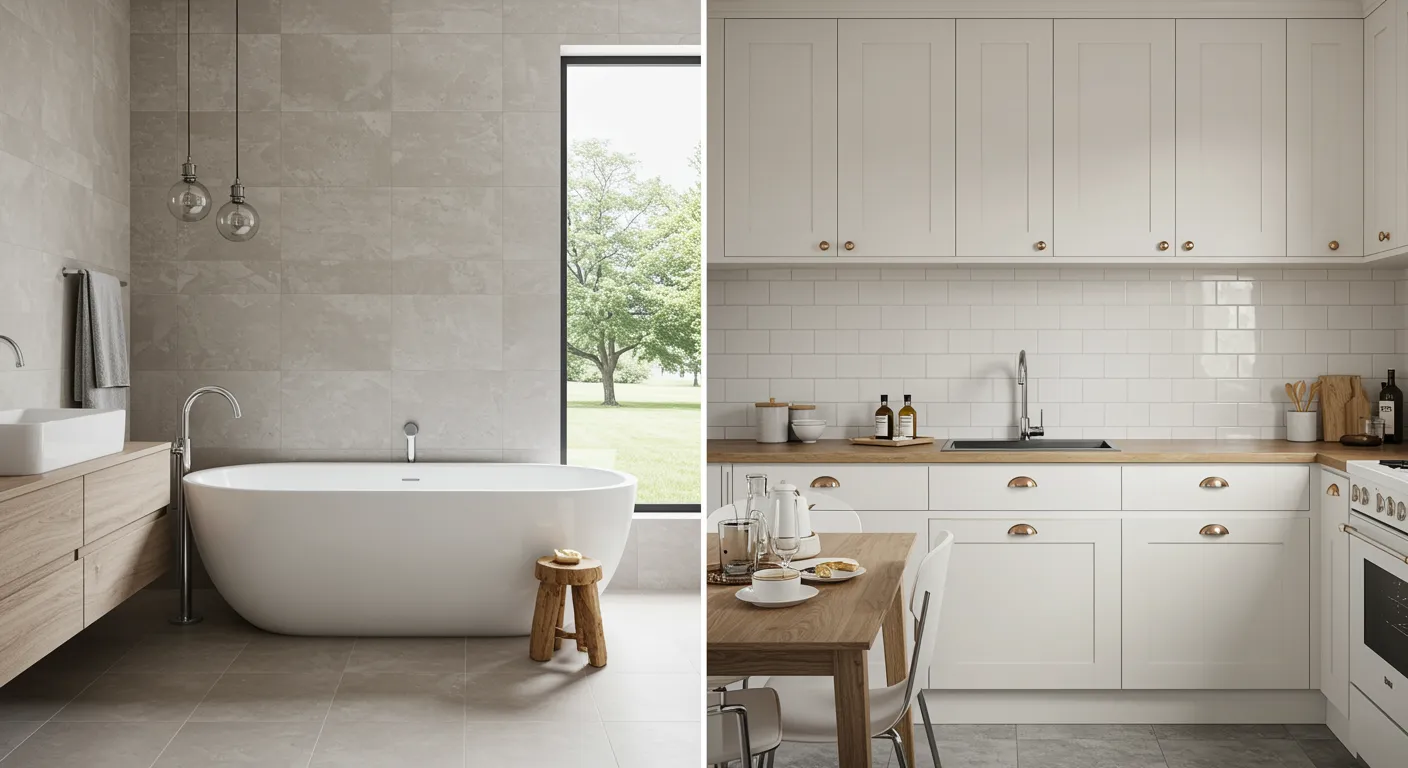
When selecting tiles for your home or commercial space, understanding the differences between porcelain and ceramic tiles is crucial. Both are popular choices, but they have distinct characteristics that make them suitable for different applications. This guide will delve into their differences, advantages, disadvantages, and ideal uses to help you make an informed decision.
Understanding the Basics
Porcelain Tiles
Porcelain tiles are made from a refined clay and fired at higher temperatures, resulting in a denser and more durable tile. They have a water absorption rate of less than 0.5%, making them highly water-resistant and suitable for both indoor and outdoor use.

Ceramic Tiles
Ceramic tiles are made from a mixture of clays and other natural materials, fired at lower temperatures than porcelain. They are less dense, more porous, and generally more affordable, making them ideal for indoor applications with less moisture exposure.
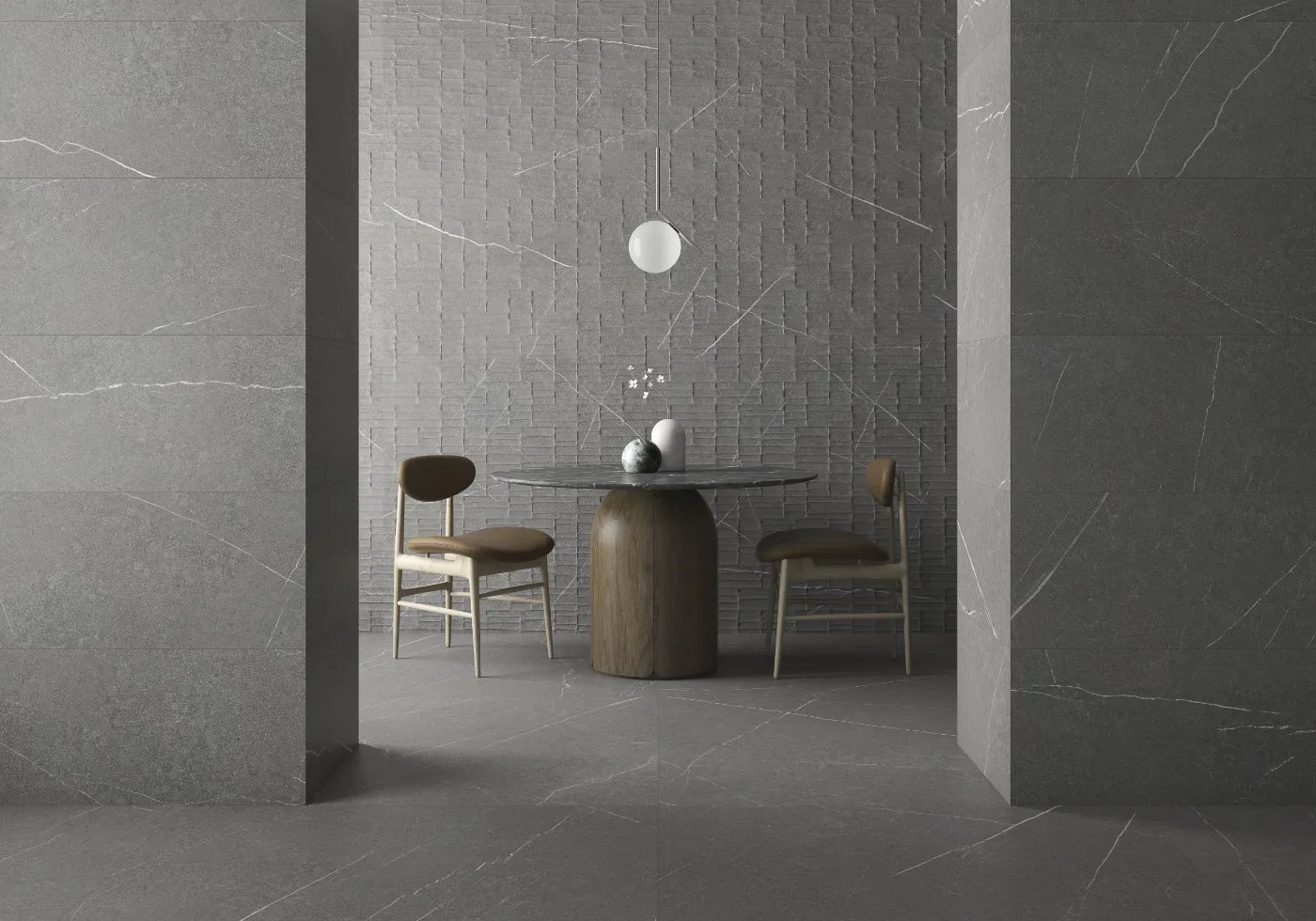
The material of your bathroom tile plays a crucial role in its durability, water resistance, and maintenance requirements. Here are the most common tile materials:
Key Differences
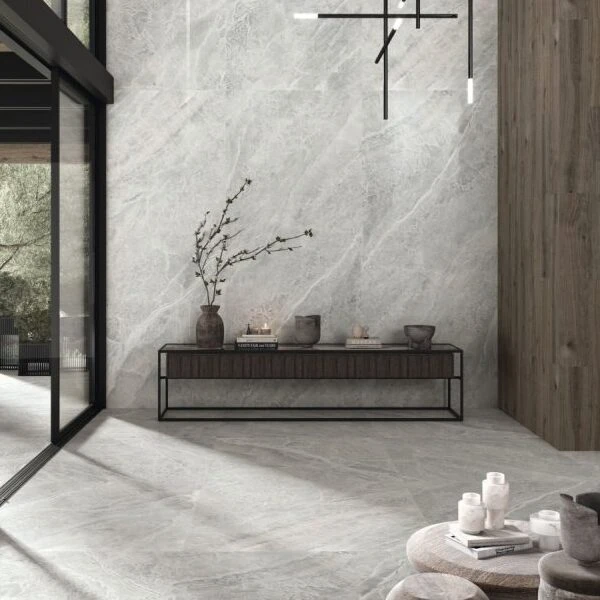
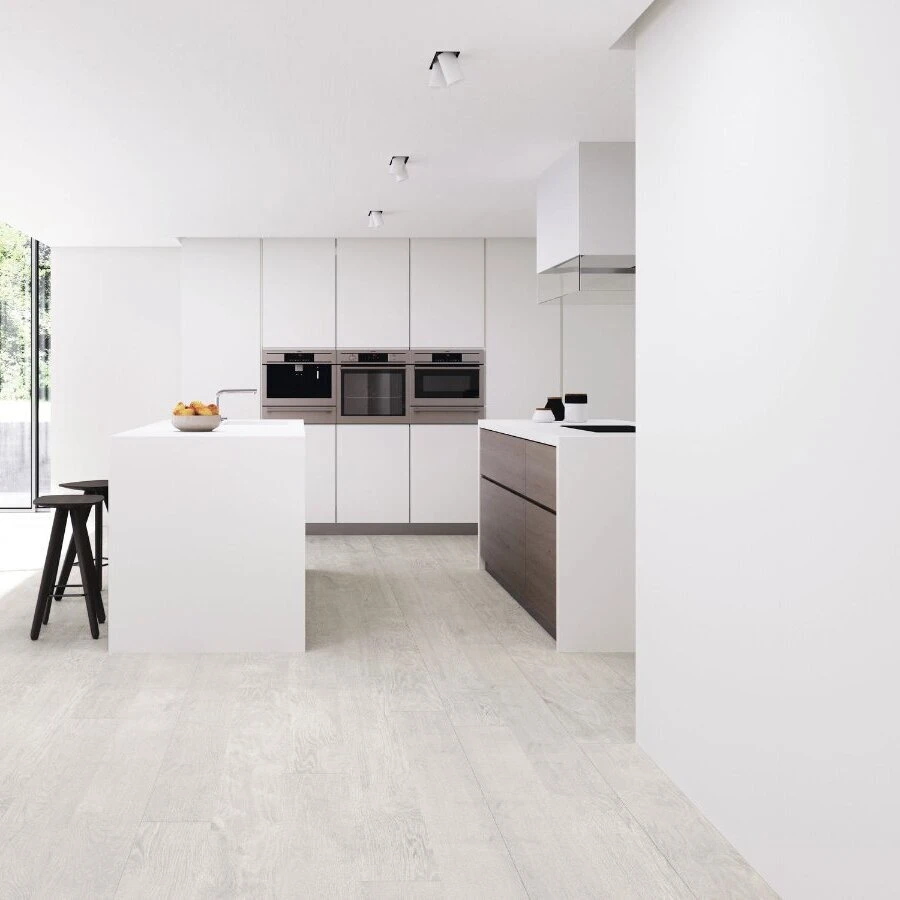
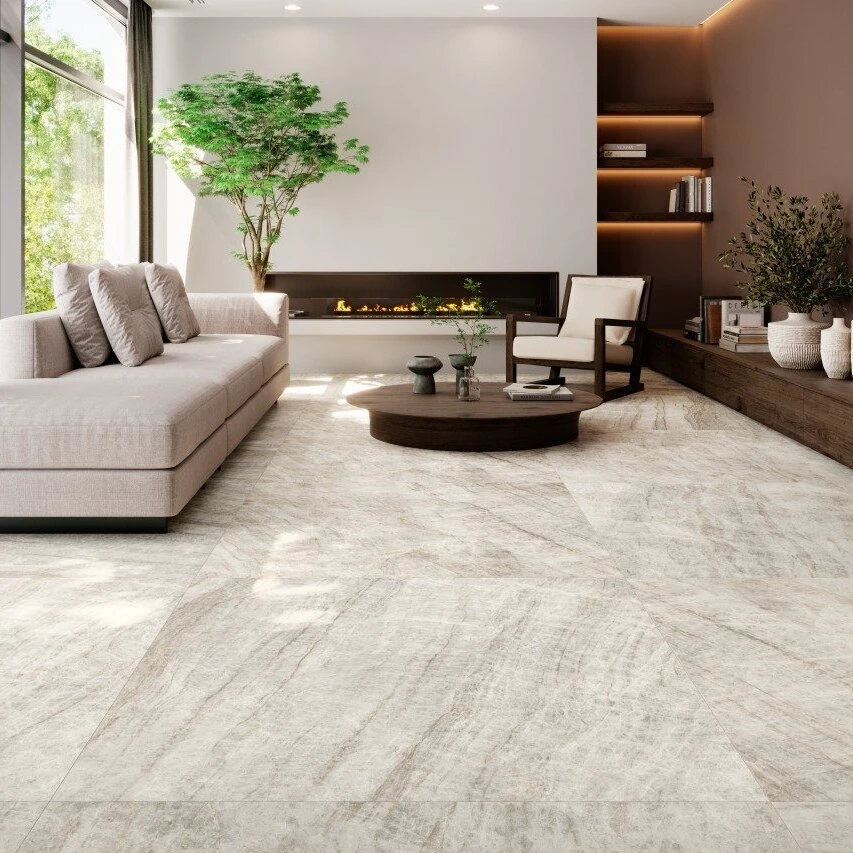
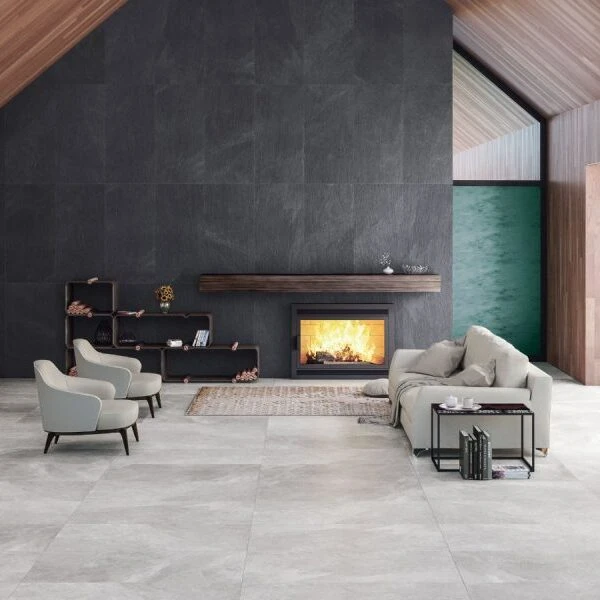
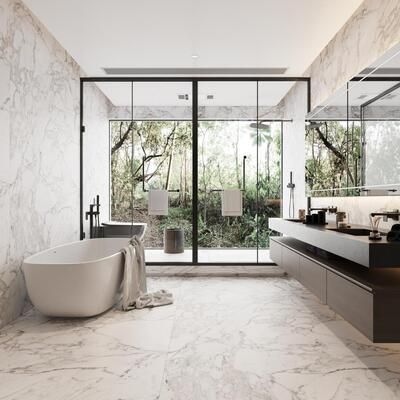
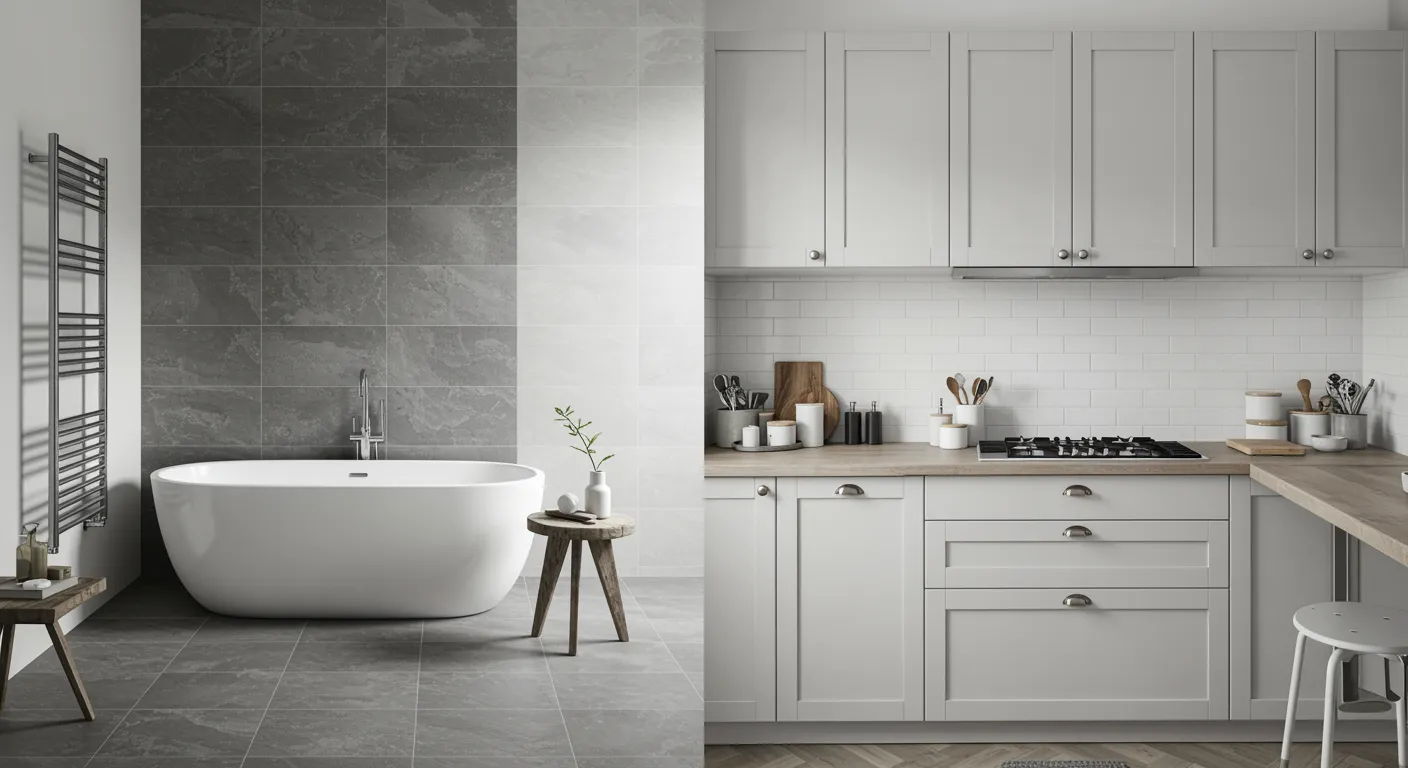
When choosing between porcelain and ceramic tiles, it’s important to understand their key differences. Porcelain is made from refined clay, making it denser, less porous, and highly durable — ideal for bathrooms, kitchens, and outdoor spaces. Ceramic, crafted from coarser clay, is more porous and better suited for indoor walls and low-moisture areas.
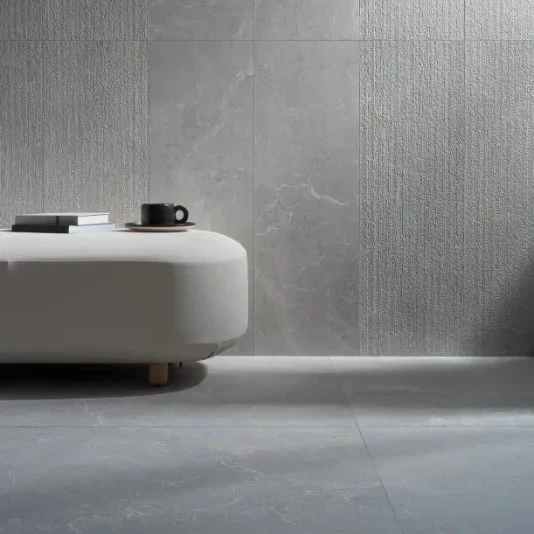
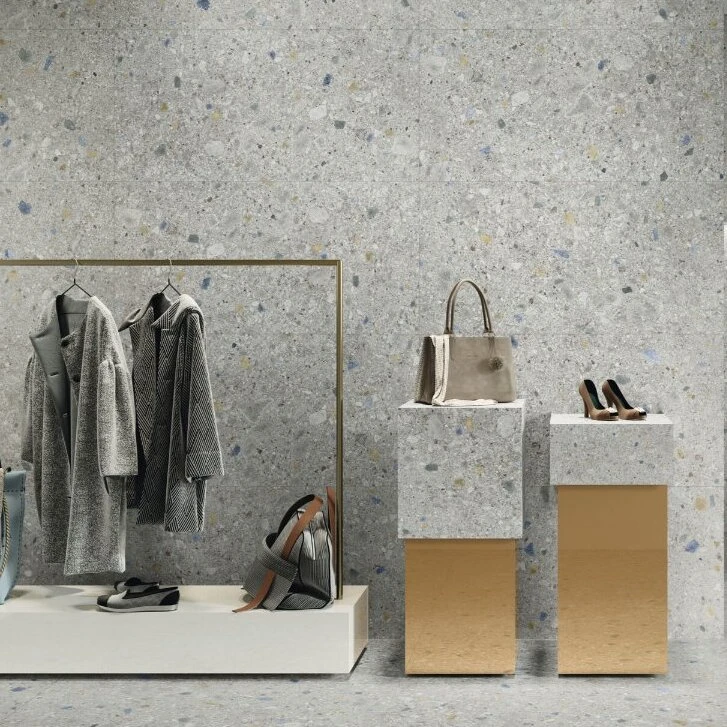
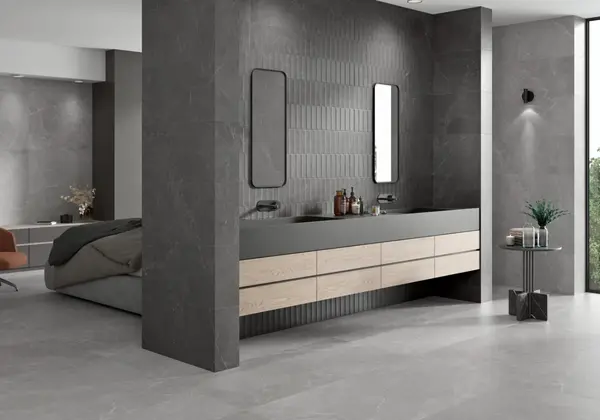
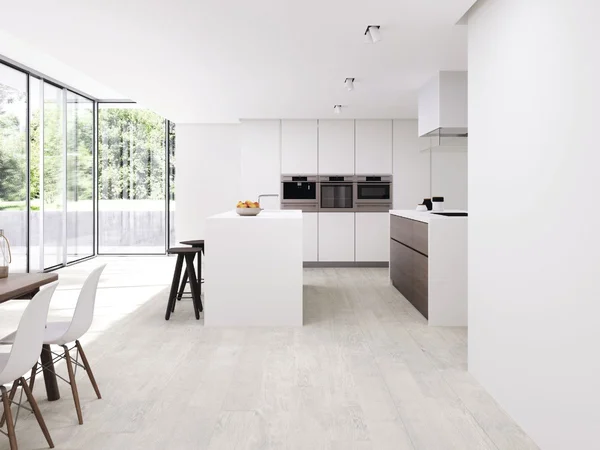
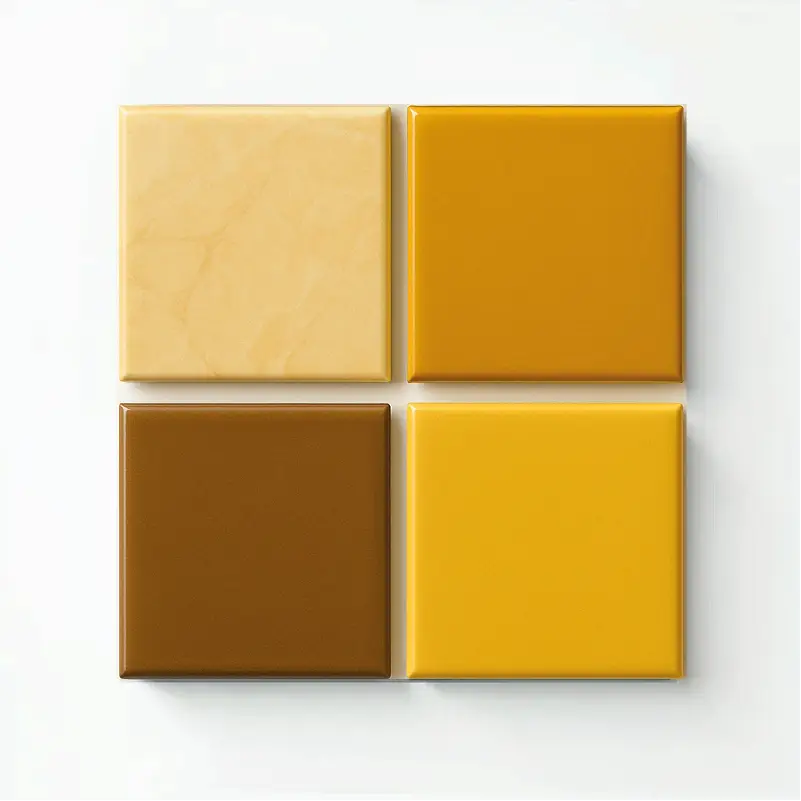
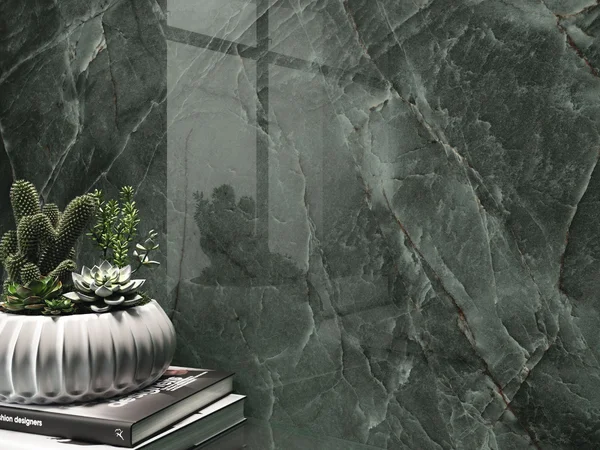
Porcelain absorbs less water, withstands heavy traffic, and often requires professional installation, while ceramic is easier to cut, perfect for DIY projects, and generally more affordable. Both offer a wide range of stylish options, with porcelain often mimicking natural stone or wood, and ceramic showcasing vibrant colors and patterns. Your choice ultimately depends on your space, budget, and design goals.
Pros and Cons
Porcelain Tiles
Pros:
- Highly durable and long-lasting
- Low water absorption, suitable for wet areas
- Resistant to stains and scratches
- Suitable for both indoor and outdoor use
Cons:
- More expensive than ceramic tiles
- Harder to cut and install, requiring professional tools
Ceramic Tiles
Pros:
- More affordable
- Easier to cut and install
- Available in a wide range of colors and designs
Cons:
- More porous, not ideal for high-moisture areas
- Less durable, prone to chipping and cracking
Ideal Applications
Porcelain Tiles
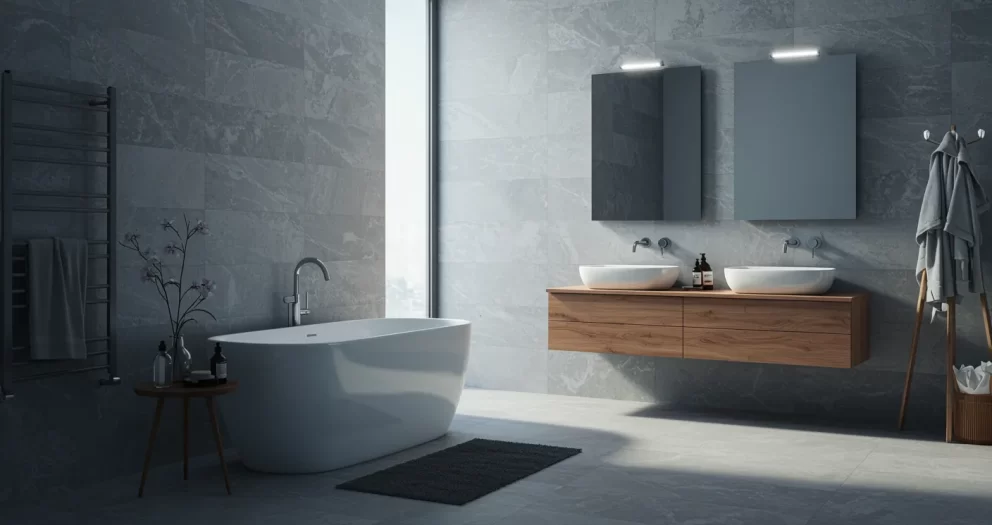
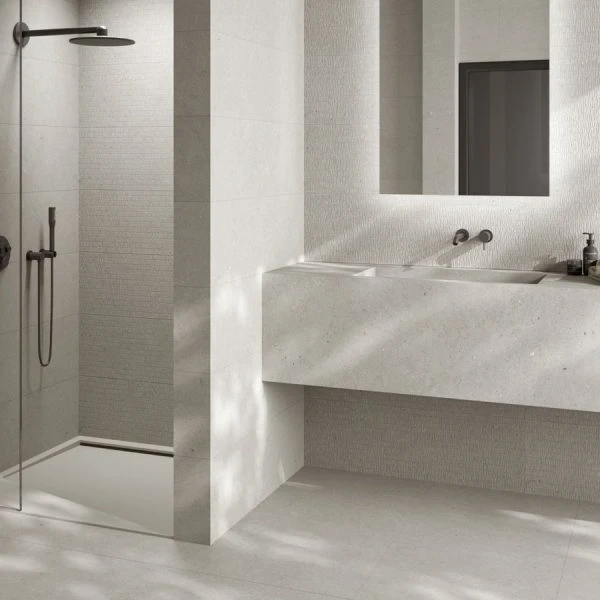
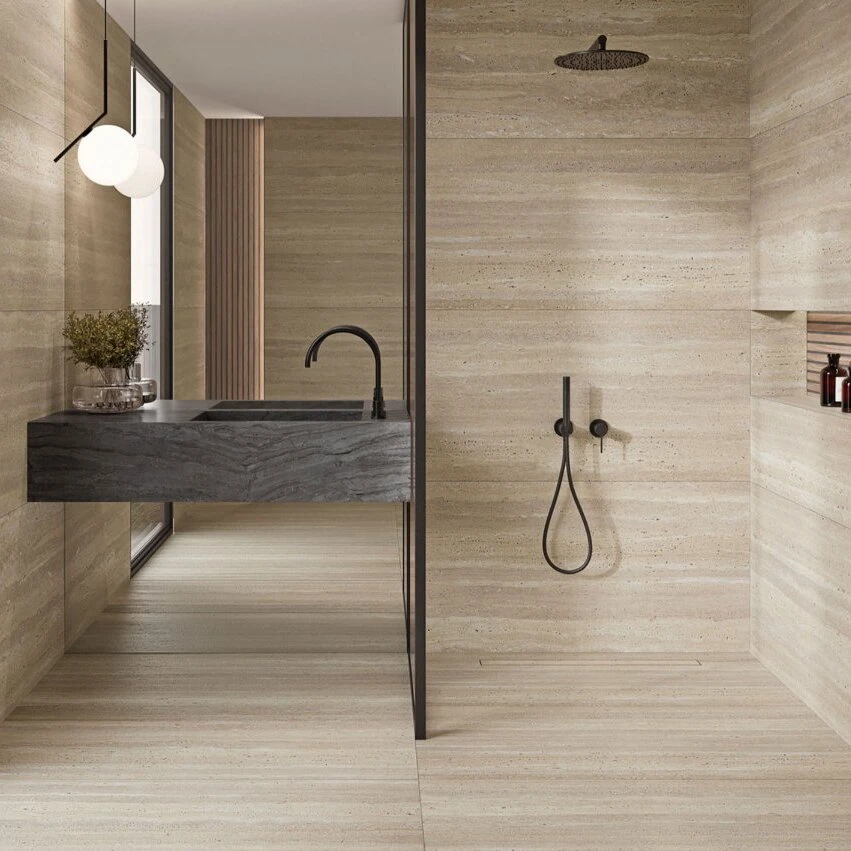
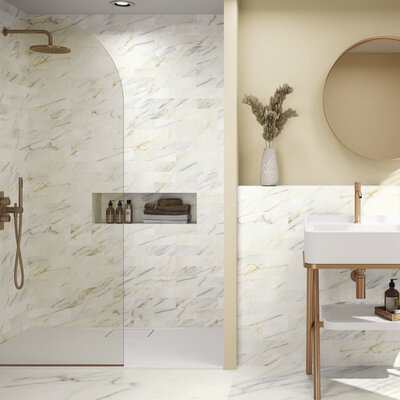
- Bathrooms and showers
- Kitchens
- Outdoor patios and walkways
- High-traffic commercial areas
Ceramic Tiles
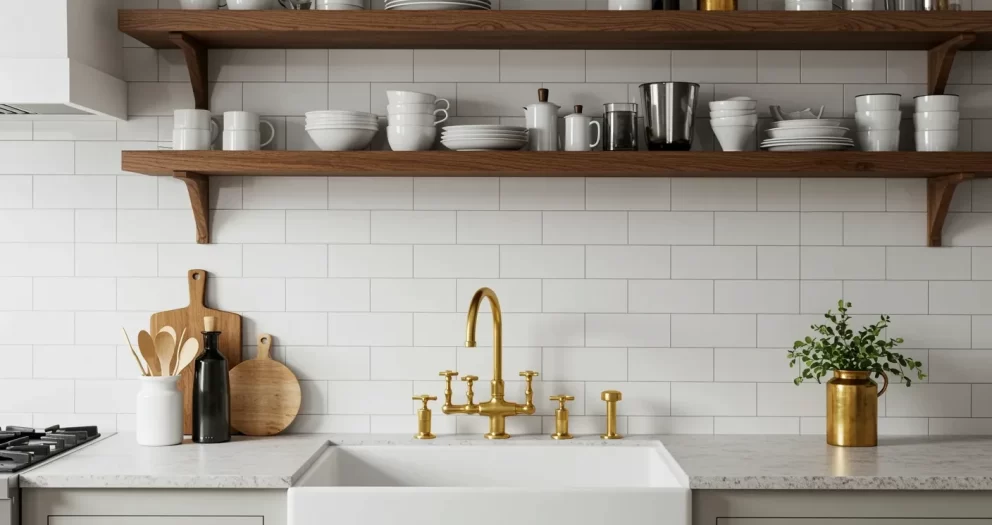
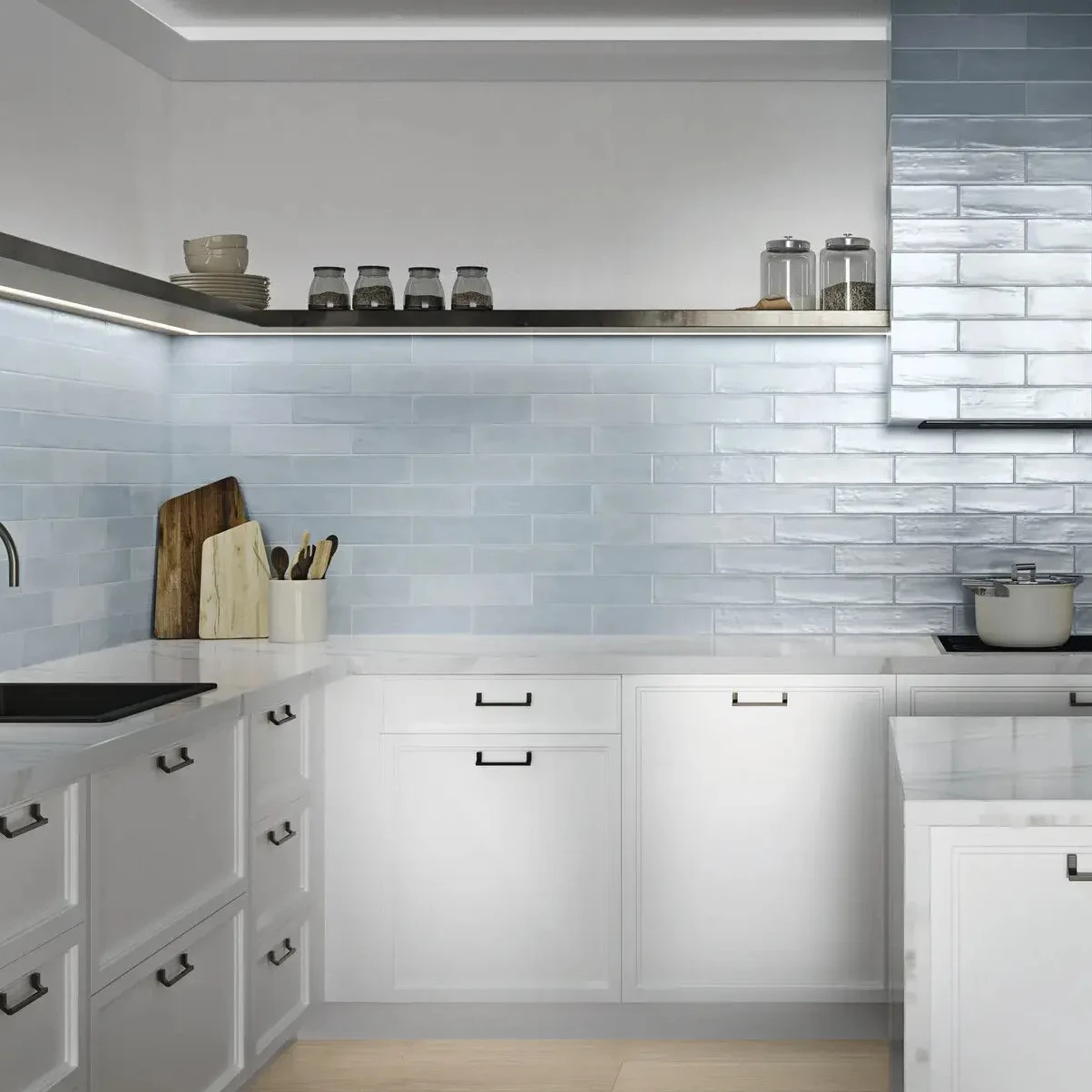
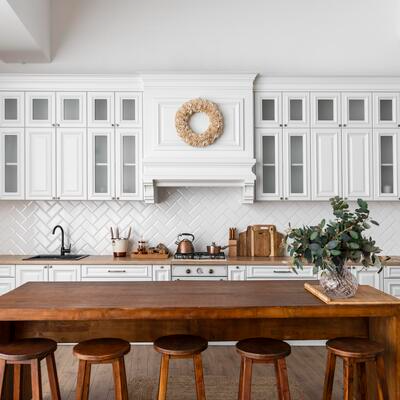
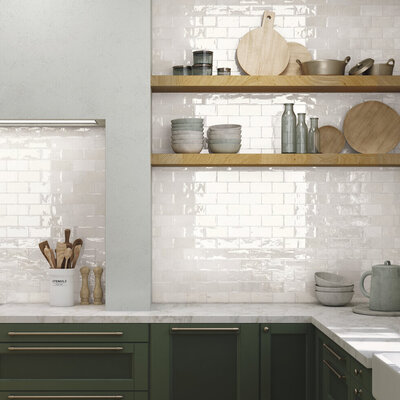
- Indoor walls and backsplashes
- Low-traffic residential floors
- Decorative accents
Maintenance Tips
Porcelain Tiles
- Regular sweeping and mopping with mild detergent
- Sealing may be required for polished or unglazed tiles
Ceramic Tiles
- Regular cleaning with non-abrasive cleaners
- Periodic sealing for unglazed tiles to prevent staining
Final Thoughts
Both porcelain and ceramic tiles offer incredible beauty and functionality—just in different ways.
👉 If you’re tiling a wet, outdoor, or high-traffic area: Porcelain is your champion.
👉 If you’re updating walls, backsplashes, or looking to save: Ceramic is stylish and cost-effective.
No matter your space or budget, understanding these differences helps you shop with confidence—and ensures that your tile choice looks beautiful and lasts for years to come.
Common FAQs
Can porcelain tiles be used outdoors?
Yes, due to their low water absorption rate and durability, porcelain tiles are suitable for outdoor use.
Are ceramic tiles suitable for bathroom floors?
While ceramic tiles can be used in bathrooms, they are more porous than porcelain tiles and may not be ideal for areas with high moisture unless properly sealed.
Which tile is more cost-effective?
Ceramic tiles are generally more affordable than porcelain tiles, both in terms of material and installation costs.
Is it possible to install porcelain tiles as a DIY project?
Due to their density and hardness, porcelain tiles are more challenging to cut and install, often requiring professional tools and expertise.
Is porcelain tile stronger than ceramic?
Yes, porcelain is denser and more durable, making it ideal for floors and outdoor use.
Can I install ceramic tiles in the shower?
Only if they’re glazed and sealed properly—otherwise, opt for porcelain for better water resistance.
Do they look different visually?
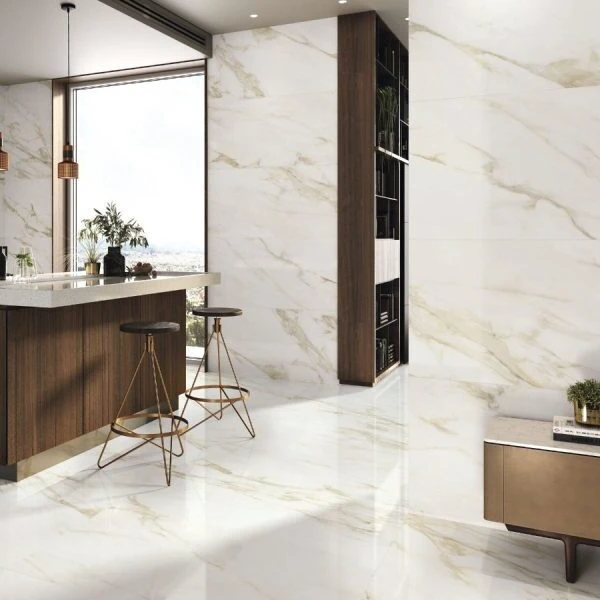
Porcelain can mimic natural materials like wood and stone; ceramic is more traditional with color glazes.
Can I mix both types in one bathroom?
Absolutely—use porcelain on floors and ceramic on walls for a budget-smart balance.
Are both tiles good for heated floors?
Yes, both conduct heat well and work with radiant heating systems.