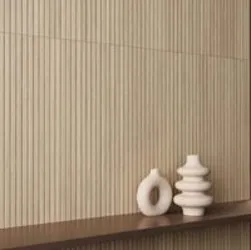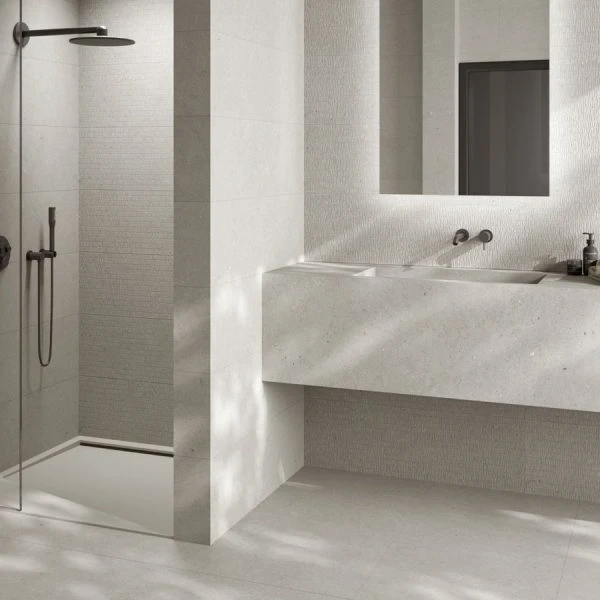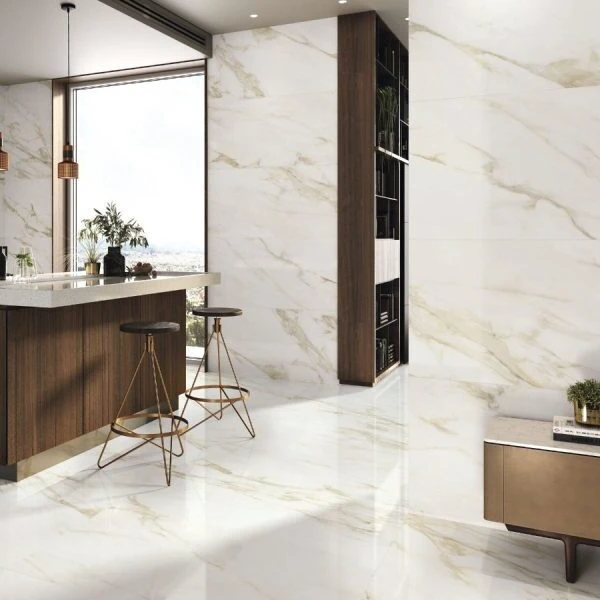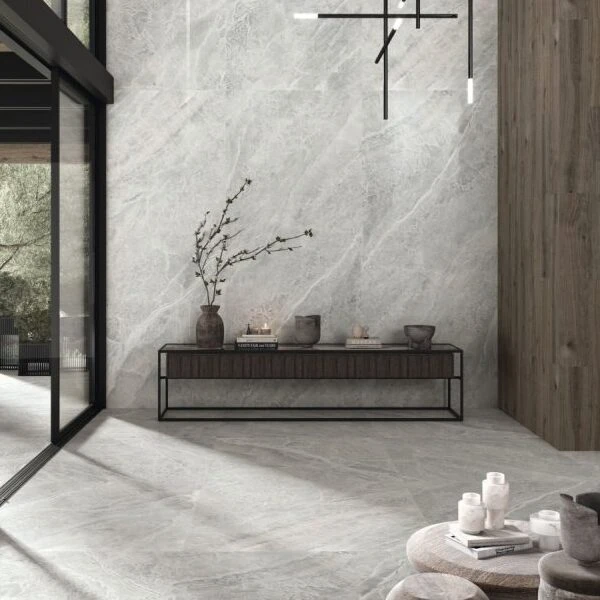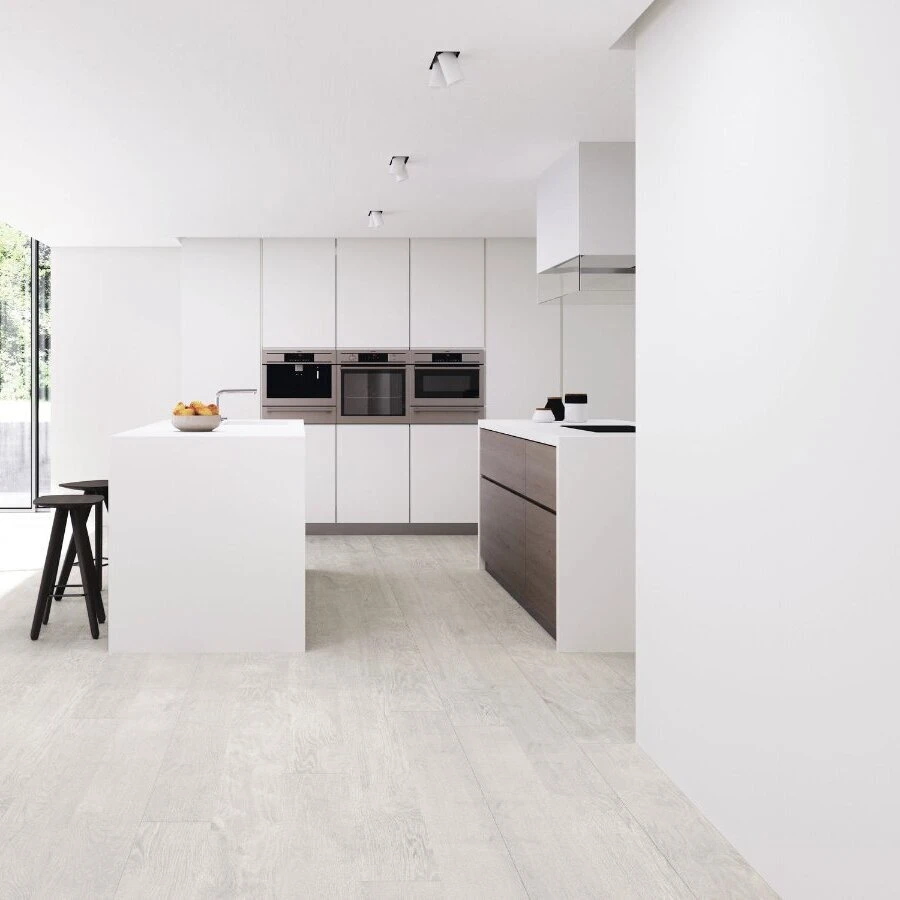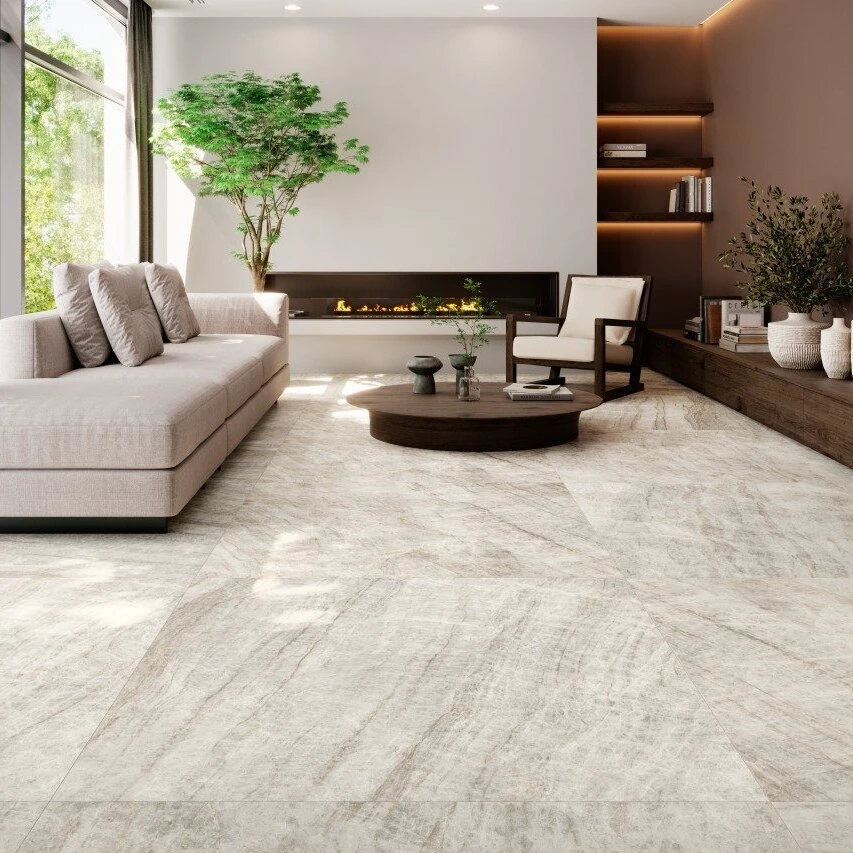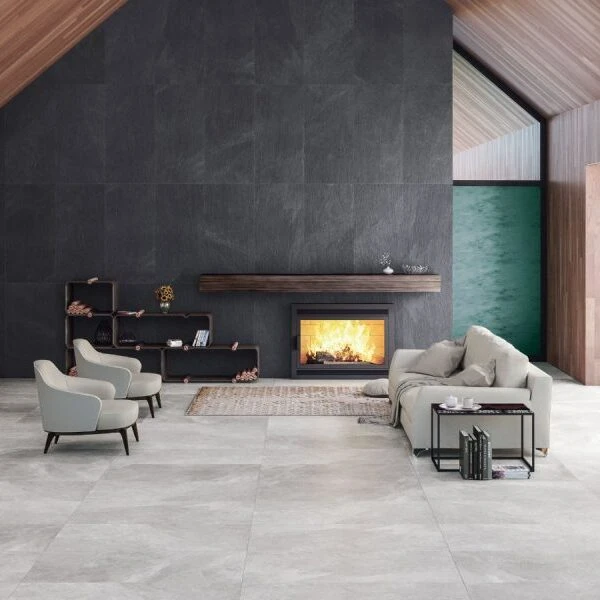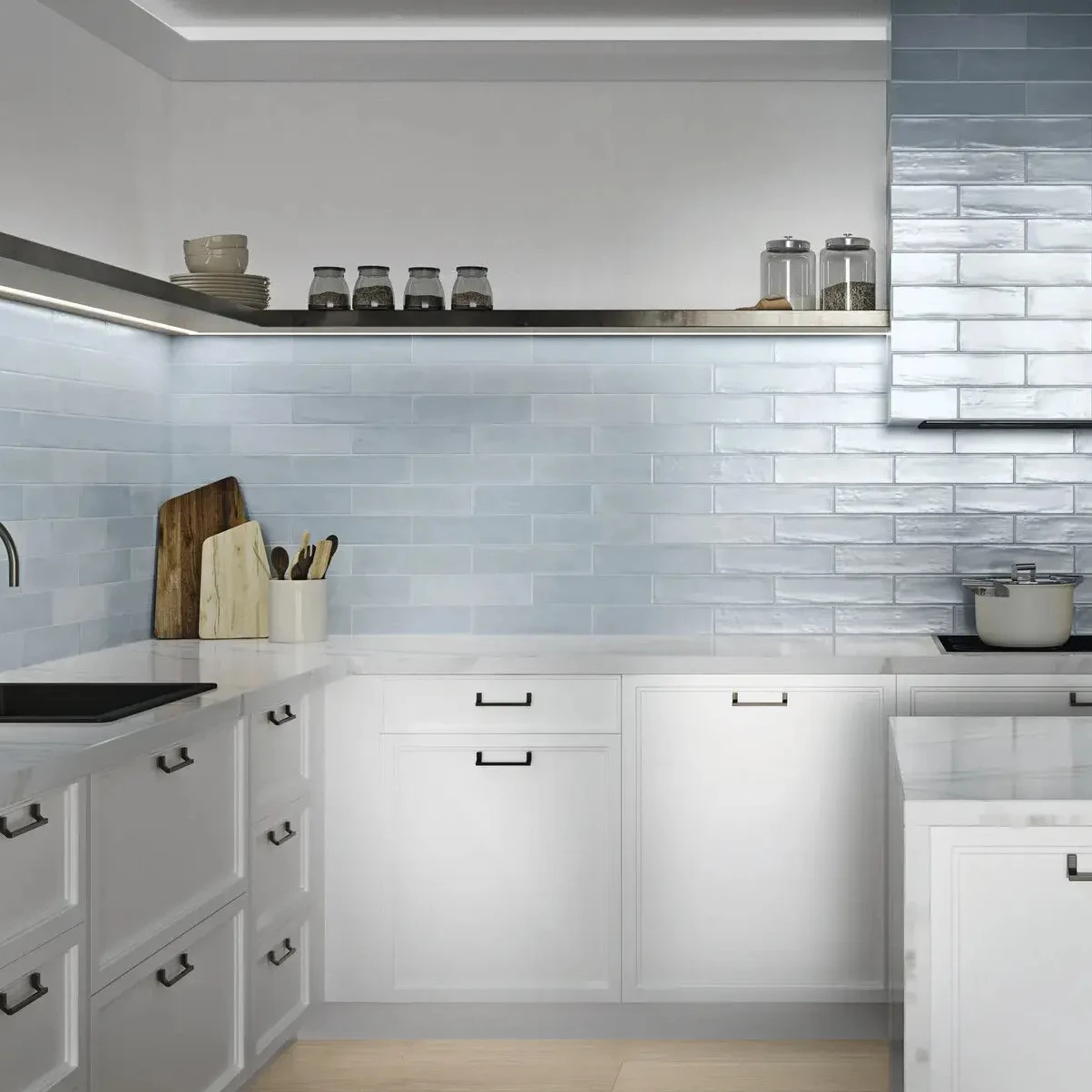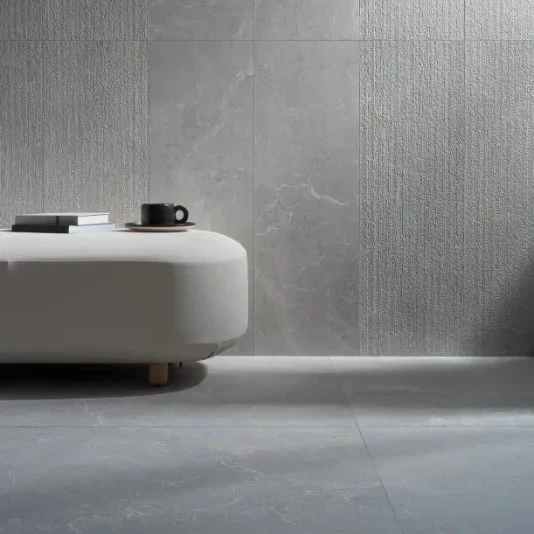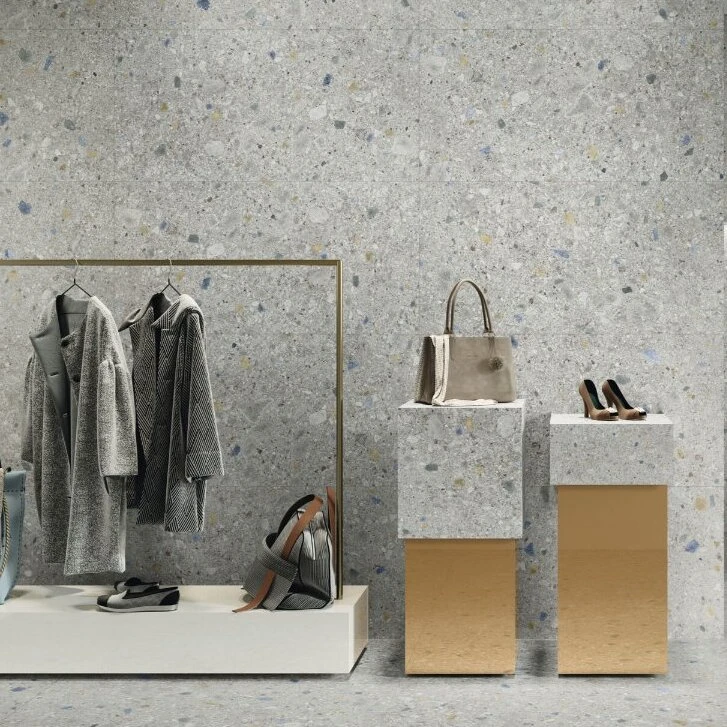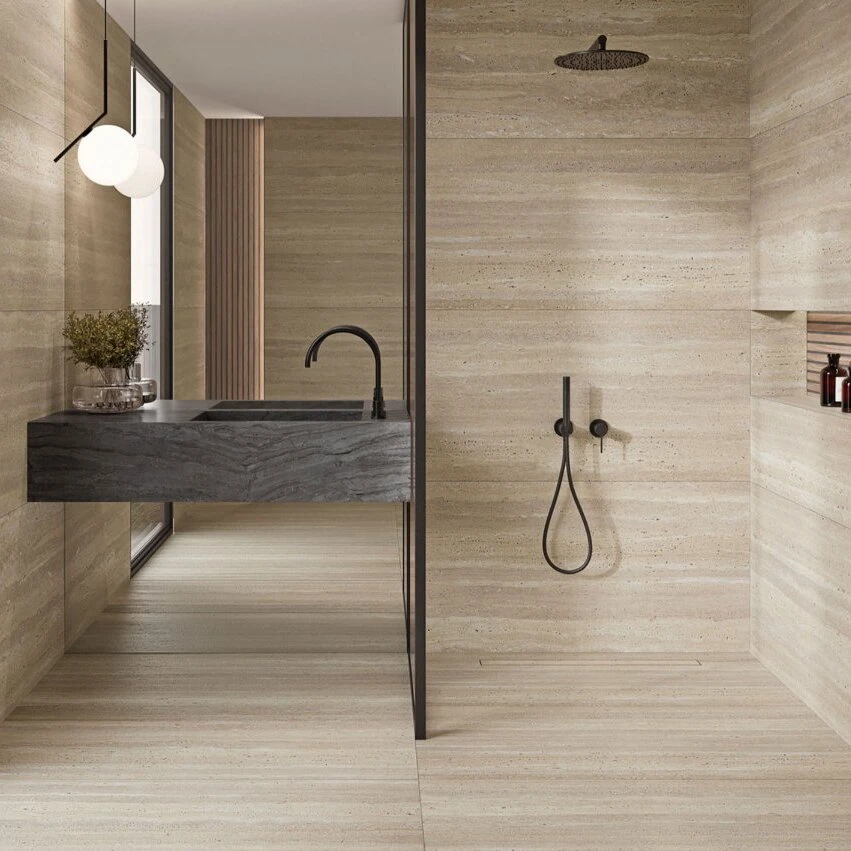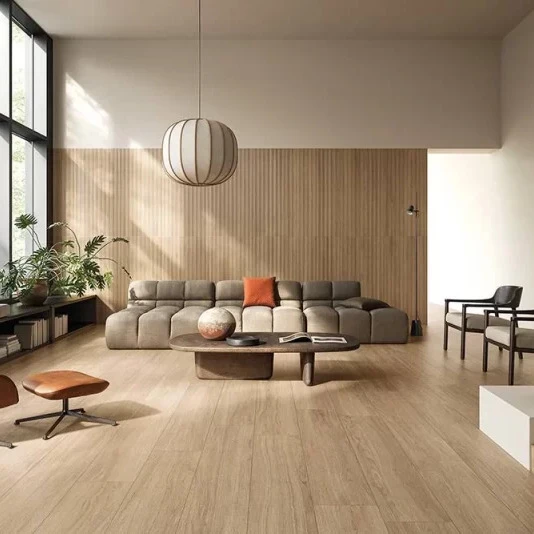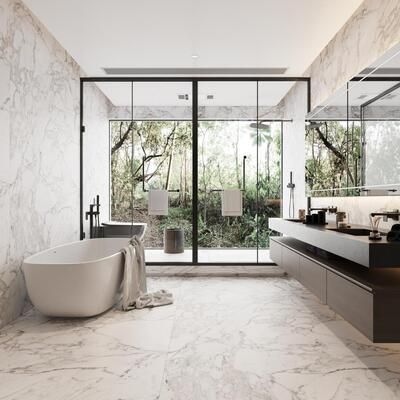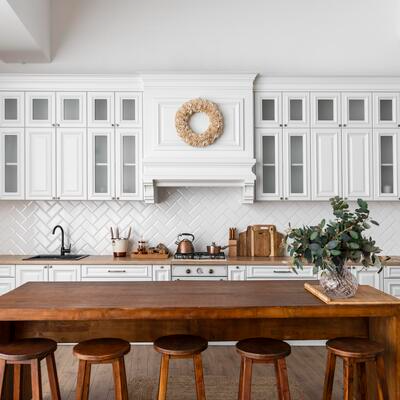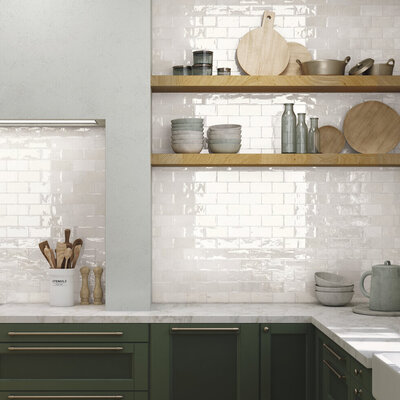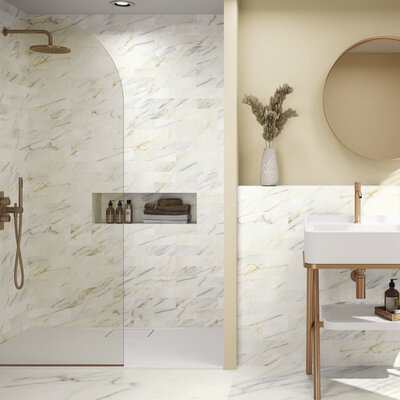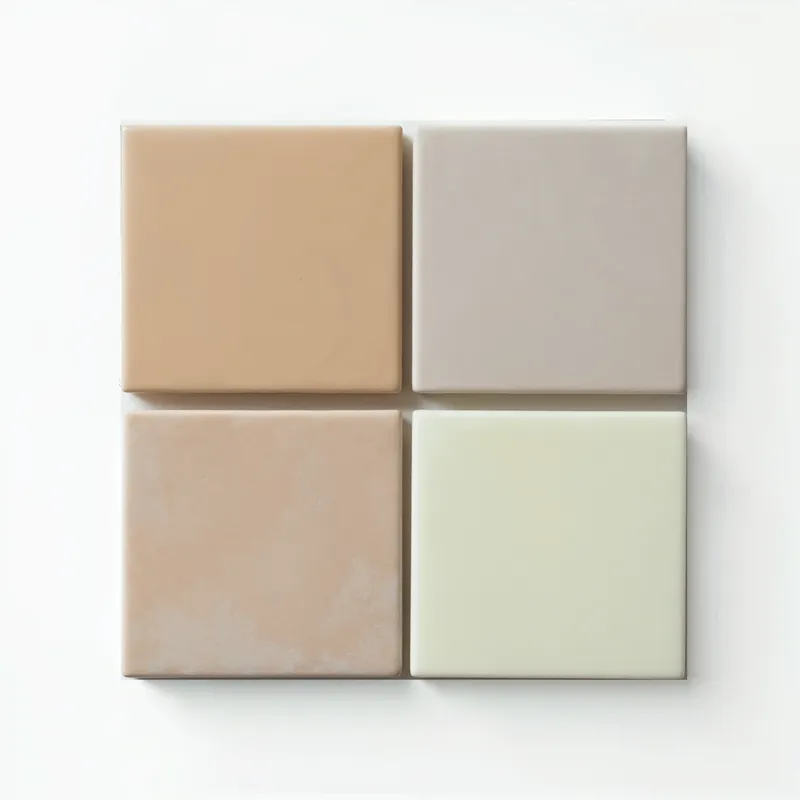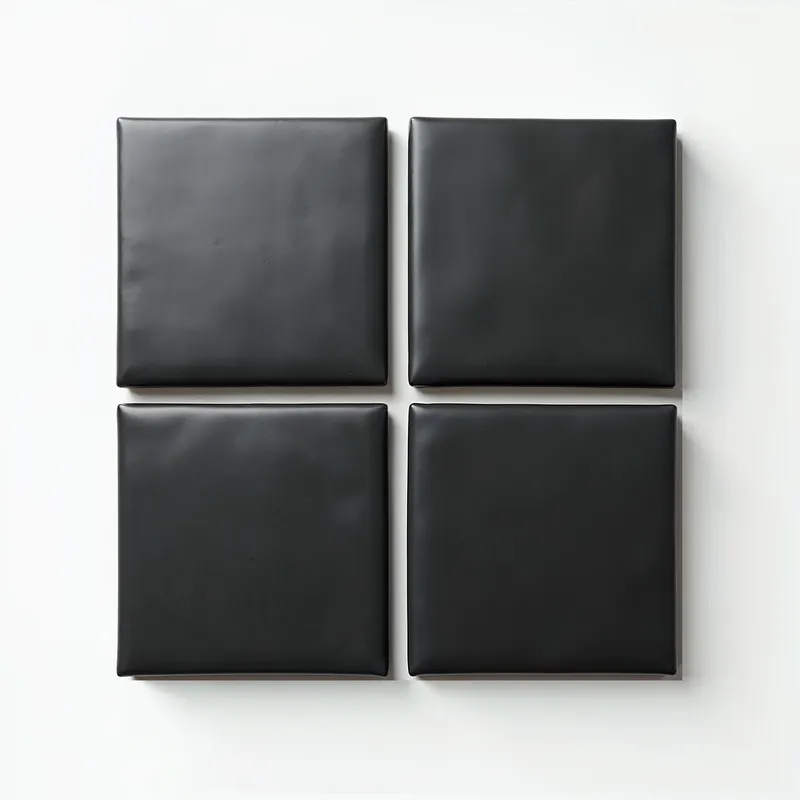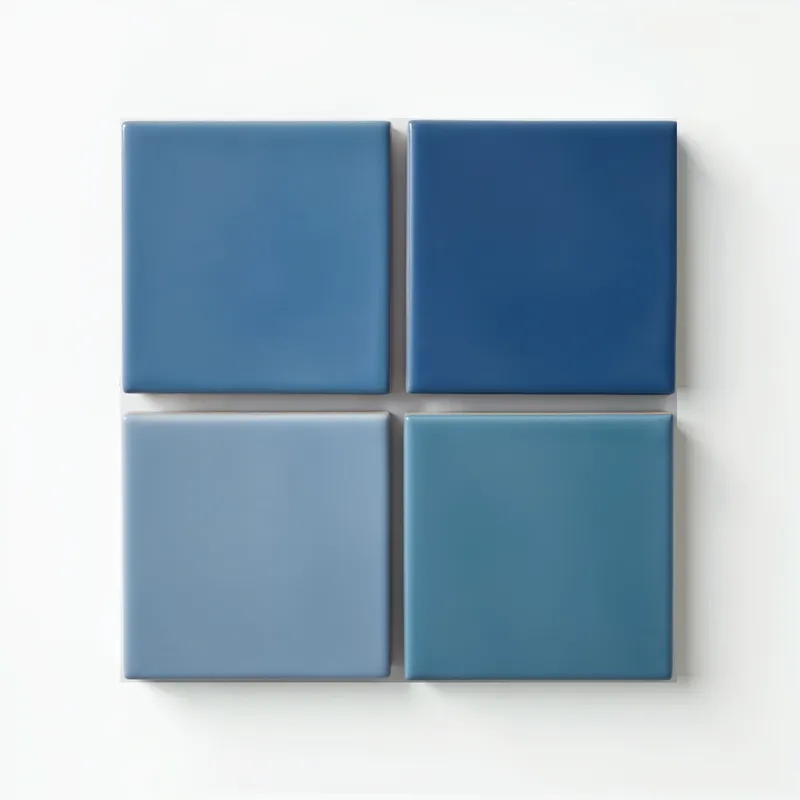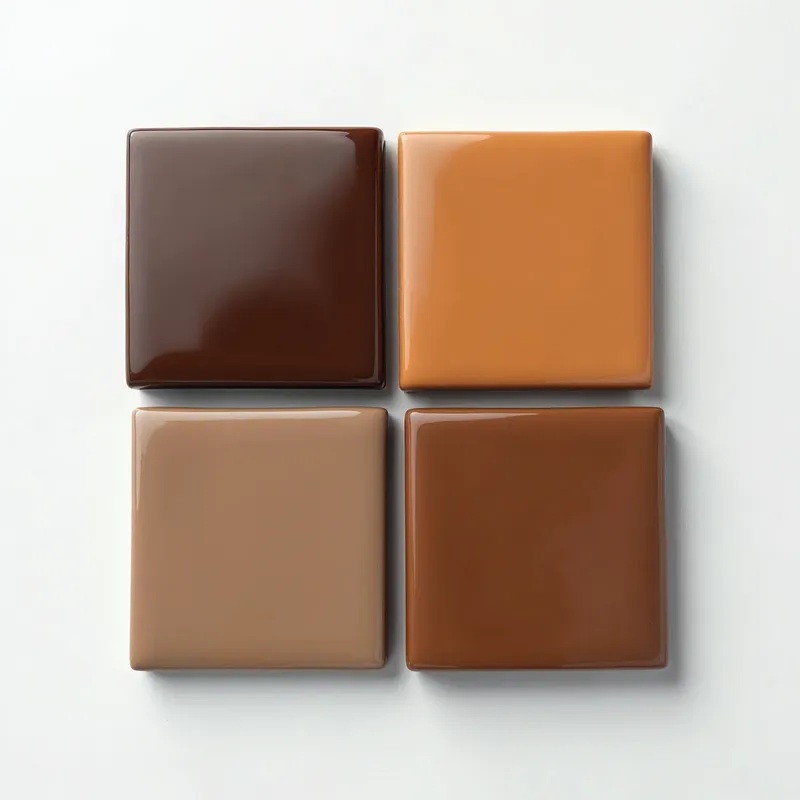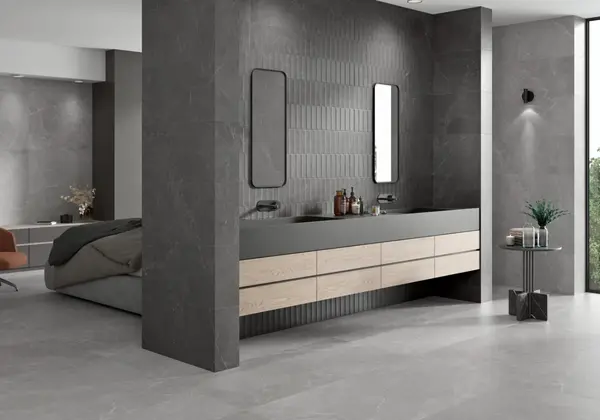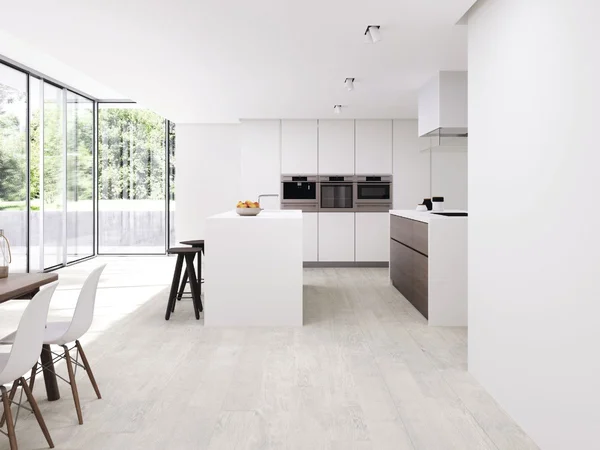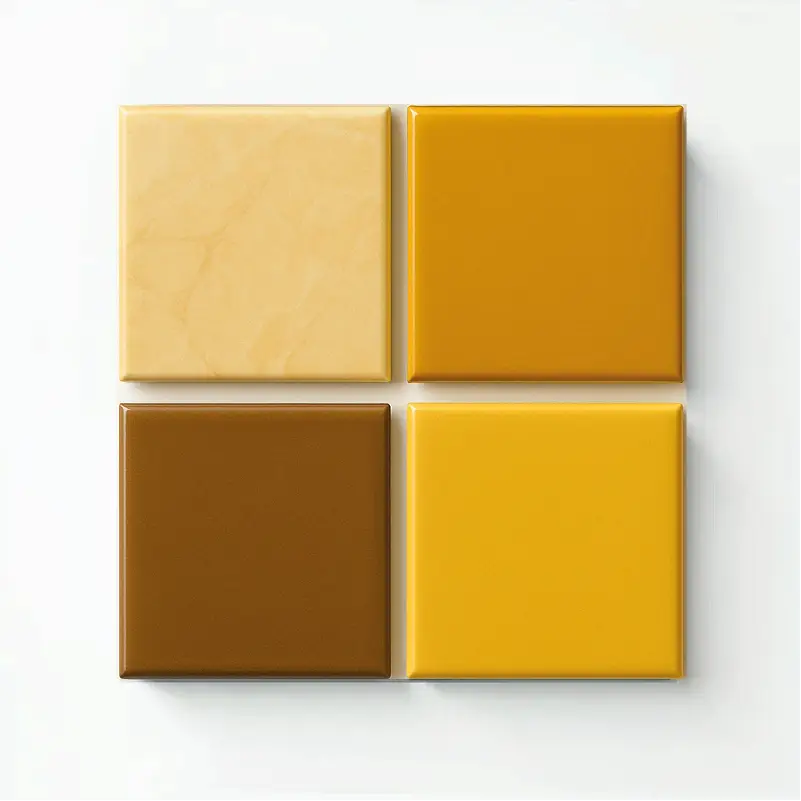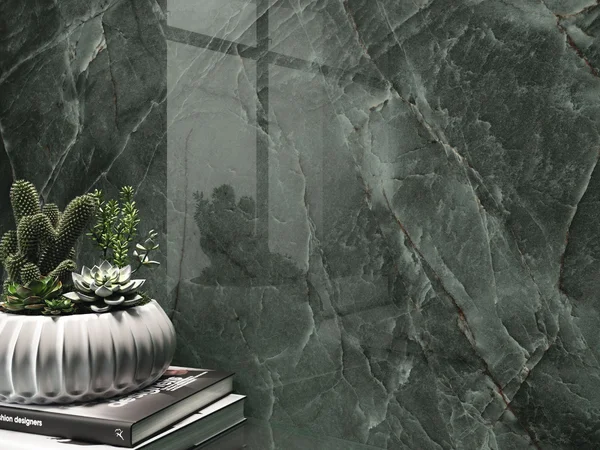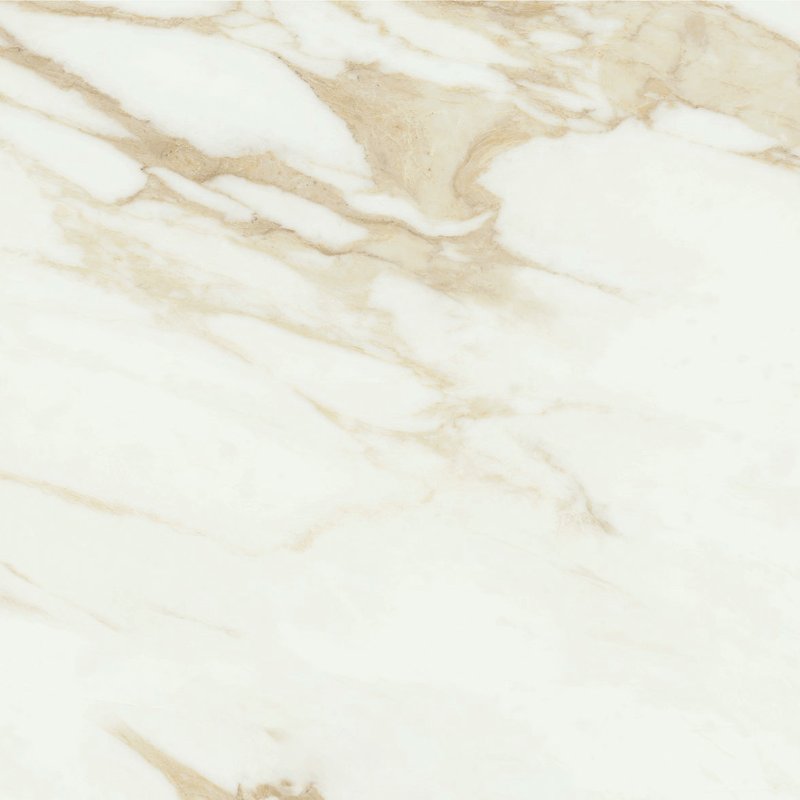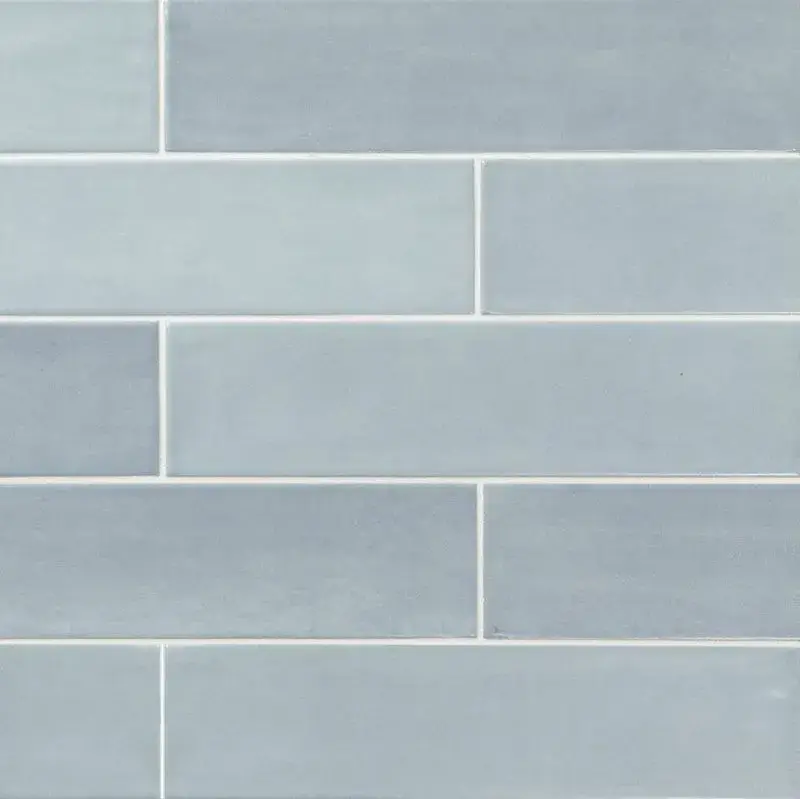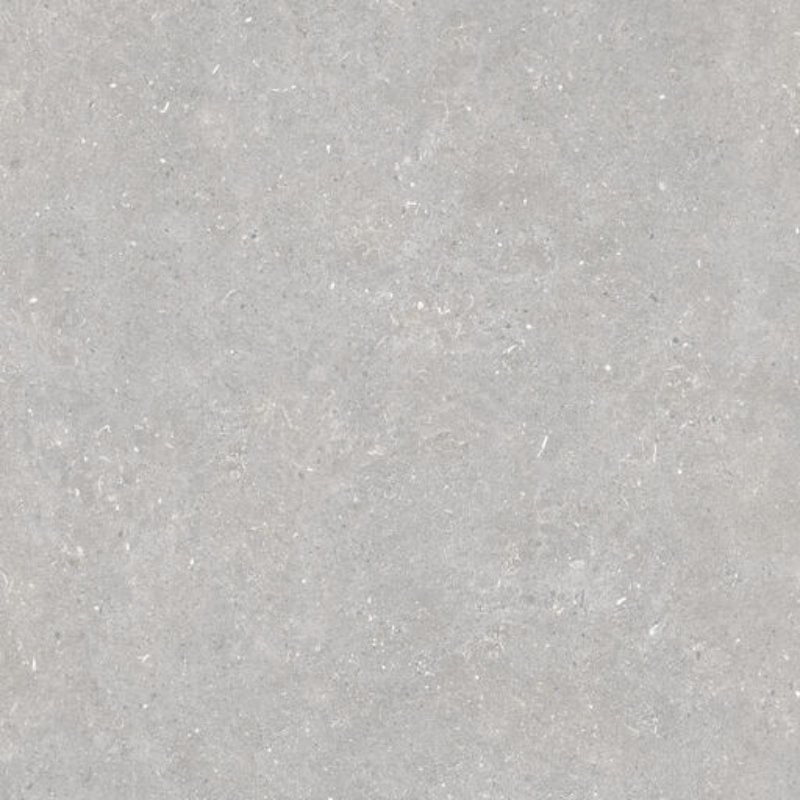




Italian and Spanish tiles represent the pinnacle of global tile craftsmanship — combining centuries-old traditional techniques with cutting-edge technology. They benefit from advanced R&D, stringent quality standards (like high wear-resistance, fade-resistance, and low water absorption) . Brands use superior white-biscuit porcelain bases (rather than common red-biscuit), ensuring richer, more accurate colors.
Gold-Standard Compared to Others
Compared to tiles from other regions, European options stand out for:
-
Durability & longevity: They resist scratches, stains, and fire, backed by extensive testing.
-
Technological innovation: Italian and Spanish manufacturers lead in high-pressure pressing, UV resistance, and eco-friendly production.
-
Aesthetic versatility: From marble to wood-look, their decorative finishes are unmatched in realism and design .
The Art & Innovation Behind European Tiles
Spain: A Tapestry of Moorish Influence and Artisanal Legacy
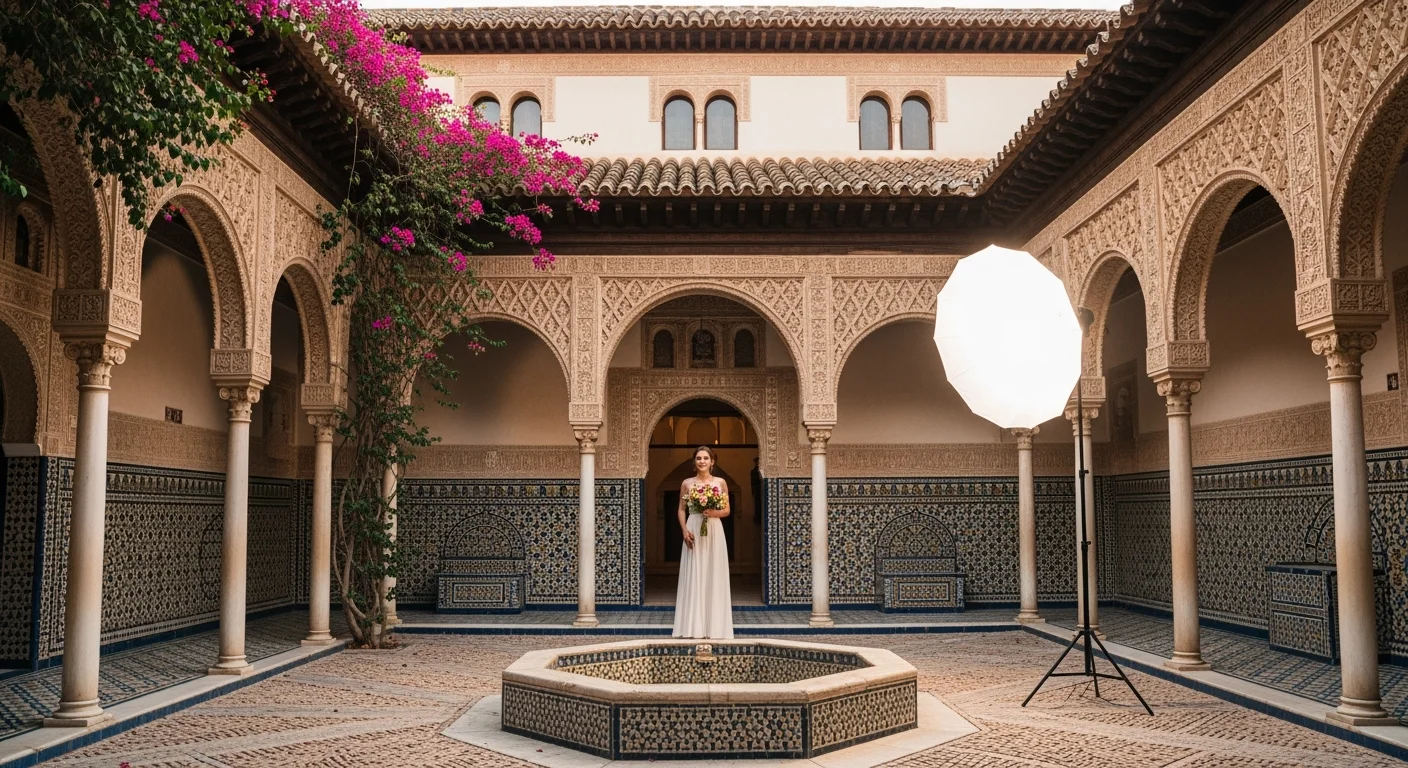
The history of Spanish tile stretches back over a thousand years, with Andalusia as its epicenter. When the Moors arrived in the Iberian Peninsula in the 8th century, they brought with them Islamic artistic traditions — geometric design, intricate motifs, and rich glaze techniques.
-
The result was the birth of azulejos, the now-iconic glazed ceramic tiles that decorated palaces, mosques, and homes alike.
-
Spanish cities like Valencia, Seville, and Castellón became centers of tile craftsmanship — and remain so today.
-
Traditional Spanish tile is known for bold colors, intricate patterns, and decorative wall applications, often telling stories or illustrating nature and folklore.
In the 20th century, Spain became a global leader in industrial ceramic production, pairing its decorative traditions with high-tech, large-scale tile manufacturing.
Italy: From Renaissance to Porcelain Revolution
Italian tile history dates back even further, to the days of Ancient Rome, where mosaics covered everything from villas to public baths. But it was the Renaissance that elevated Italian tile into a form of fine art.
-
Towns like Faenza, the birthplace of “faience” (a type of glazed ceramic), became synonymous with artistic tile.
-
Italy also perfected the art of majolica — tin-glazed, hand-painted tiles with floral and figurative motifs.
-
Fast-forward to the 20th century, and northern Italy (especially the Emilia-Romagna region) became the hub for industrial porcelain tile innovation.
Italian manufacturers are now known as pioneers in:
-
Large-format porcelain slabs
-
Hyper-realistic marble, wood, and concrete looks
-
Advanced inkjet printing and 3D surface textures
Why European Tiles Belong on Your Floor or Wall
-
Uncompromised quality: Stringent production standards ensure consistency and durability.
-
Unlimited design range: Marble, wood, metallic, stone looks — all in porcelain and ceramic.
-
Performance beyond beauty: Many products offer frost-resistance, anti-slip, and antimicrobial properties.
-
Eco-conscious manufacturing: Energy-efficient processes and recycled materials in response to sustainability demands .
Natural Materials Originating from Spain & Italy
Beyond craftsmanship, Spain and Italy are blessed with rich geological resources, contributing to the excellence of their tile industries.
From Spain:
-
Terracotta clay: Native to central and southern Spain, this natural reddish-brown clay is perfect for traditional handmade floor tiles.
-
Slate and quartzite: Sourced from northern regions, these stones are often replicated in porcelain.
-
Red and white body clays: Spanish tile factories use both to produce a wide range of ceramic and porcelain body types.
From Italy:
-
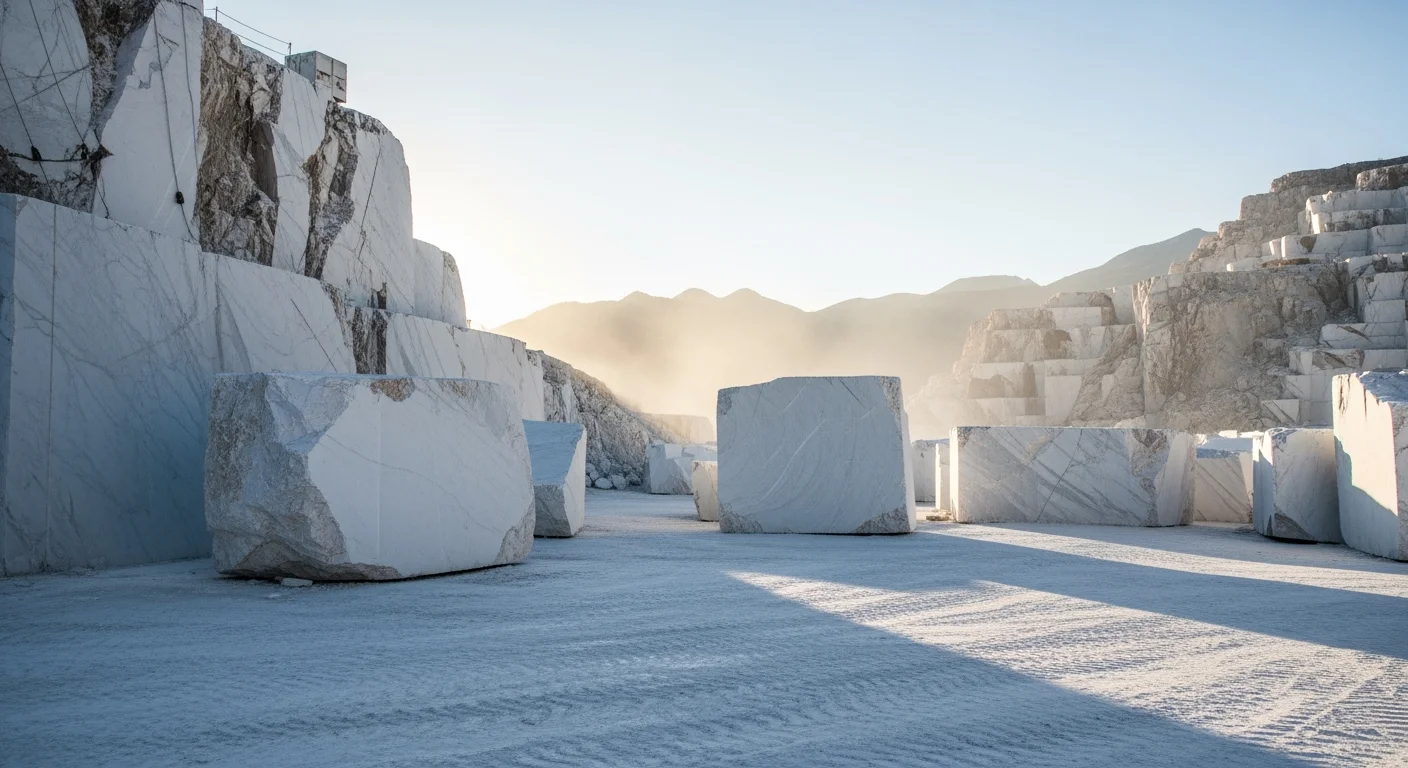
Carrara Marble: World-famous white marble with gray veining from Tuscany, often used as a model for marble-look porcelain.
-
Travertine: Found in Tivoli near Rome, this warm, earthy stone is a favorite inspiration for rustic or classical porcelain styles.
-
Porcelain clays: Italy sources and processes ultra-pure kaolin and feldspar-rich clays for its superior porcelain body tiles.
Specialties That Set Spanish & Italian Tile Apart
Both Spain and Italy have carved out specific reputations in the tile world — with slightly different focuses:
Spain’s Specialty:
-
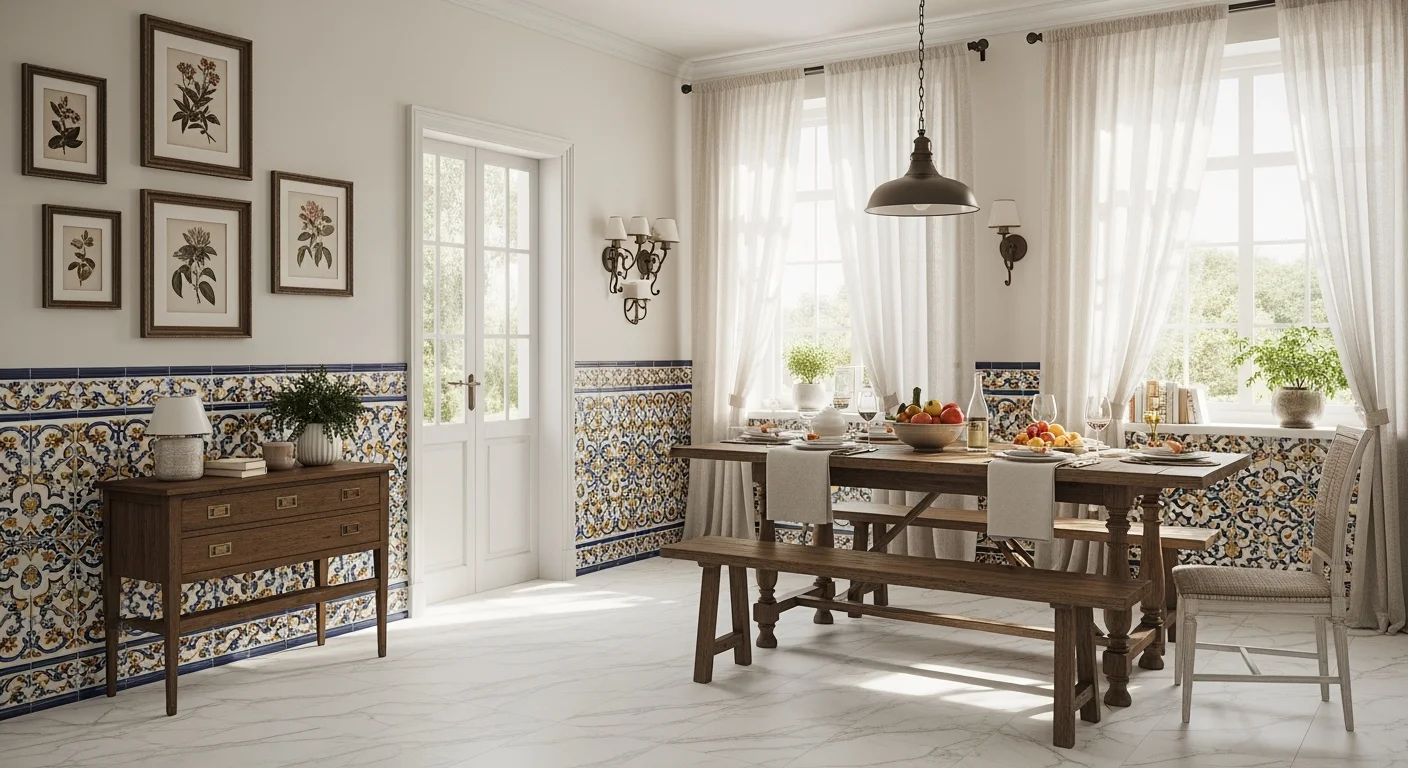
Decorative Glazed Tile: No one does color and surface pattern quite like Spanish tile artisans. Think Mediterranean blue-and-white patterns, bold botanical prints, and handmade-look textures.
-
Small formats & subway styles: Spanish factories specialize in producing subway, picket, hex, and 4×4 tiles with stunning glazes.
-
Terracotta & handmade-look tile: Spain leads in rustic and old-world style floor tiles, especially those with organic edges or matte finishes.
Italy’s Specialty:
-
Marble-Look Porcelain: Italy produces the most refined and convincing marble-look tiles — from Calacatta to Statuario and Nero Marquina.
-
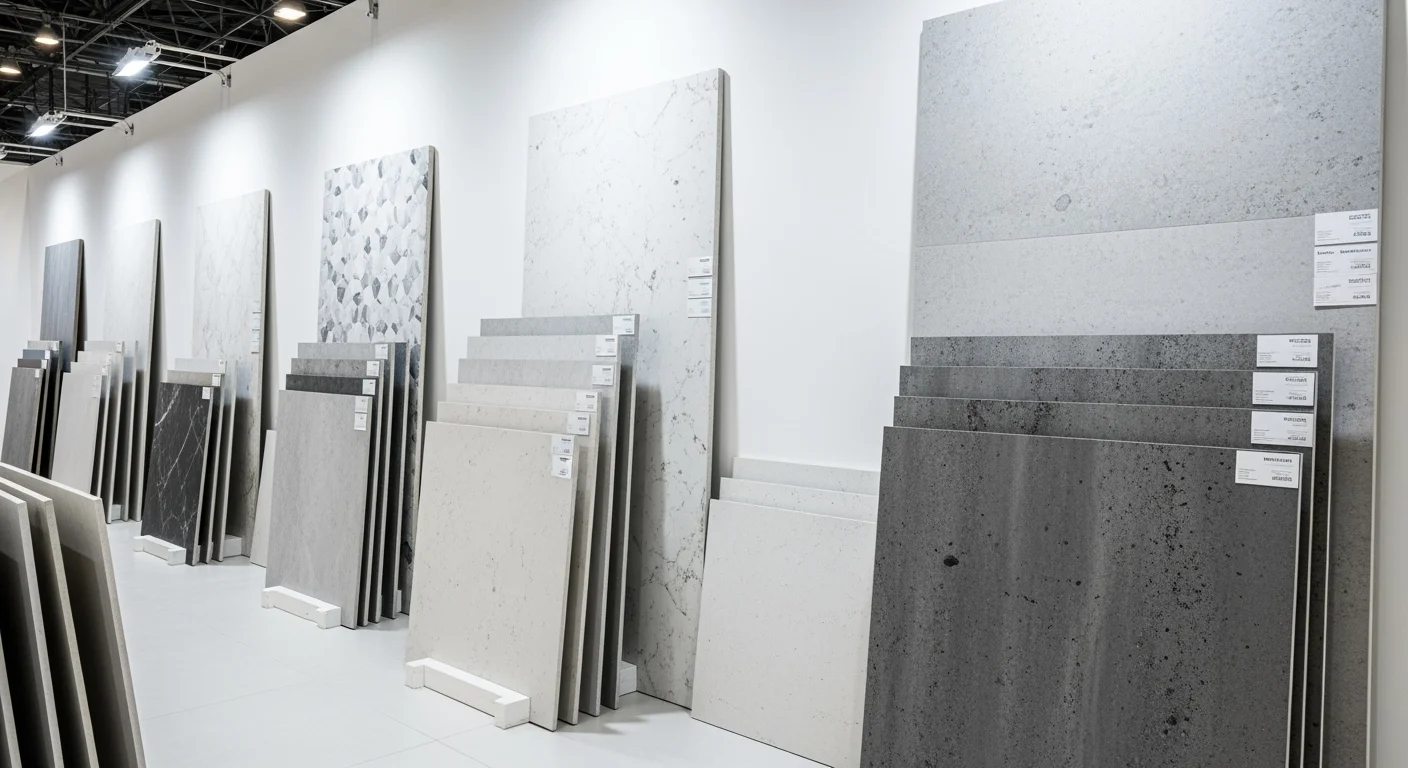
Large-Format Slabs: Italy leads the industry in porcelain slabs up to 60”x120” (and larger), ideal for seamless wall panels, kitchen counters, or shower installations.
-
Technical Porcelain: With incredibly low water absorption and surface durability, Italian porcelain is often used in commercial or high-performance settings.
-
Innovative finishes: From matte silk to hammered and 3D sculptural effects, Italian tile offers luxurious surface design.
Shop Spanish & Italian Tile at TileDecor.com
Choose from a curated selection of European tiles:
-
Shop Spanish-Style Ceramics » – For timeless azulejo-inspired terracotta and decorative styles
-
Browse Italian Porcelain Elegance » – For marble-look, large format, high-tech finishes
Elevate your project with the layers of heritage, innovation, and design that only European tiles can provide.
Common FAQs
Are European tiles more expensive?
They can have a higher upfront cost, but their durability, design sophistication, and longevity often outweigh the initial investment.
Does Spain or Italy make better porcelain?
Both excel — Spain leads in decorative, artisanal glazes (like azulejos), while Italy emphasizes high-tech porcelain innovation and finishes.
Can I install European tile outdoors?
Absolutely. Many are frost-resistant, low-absorption porcelain rated for outdoor use.