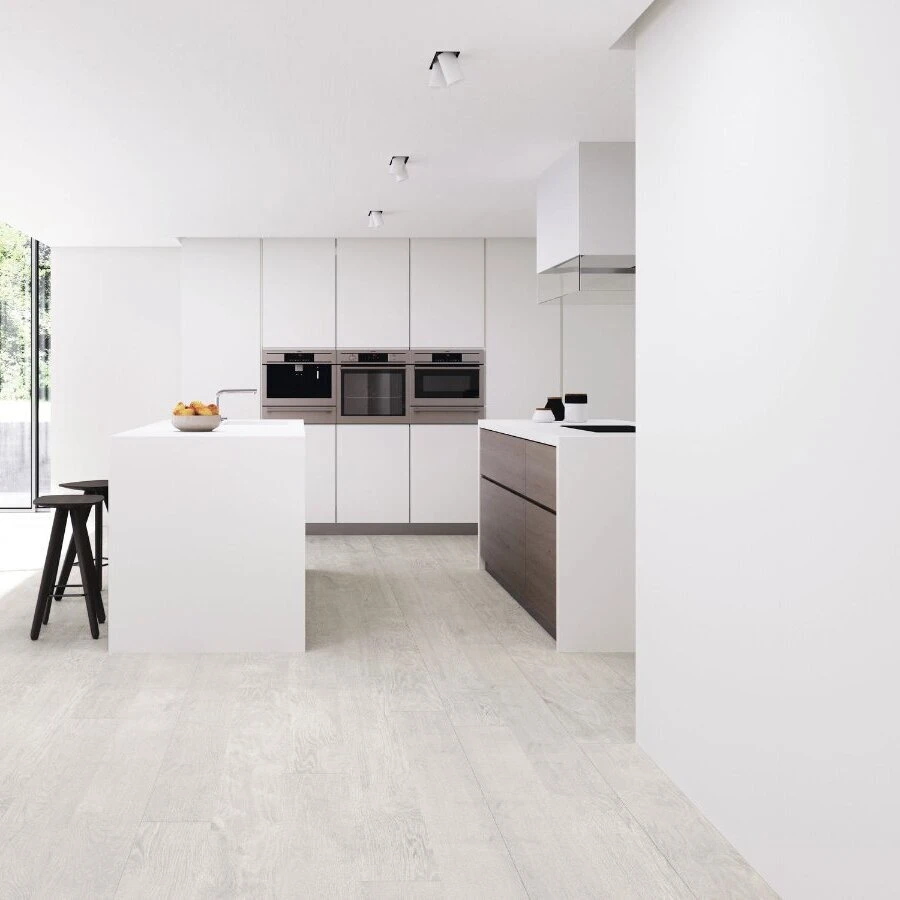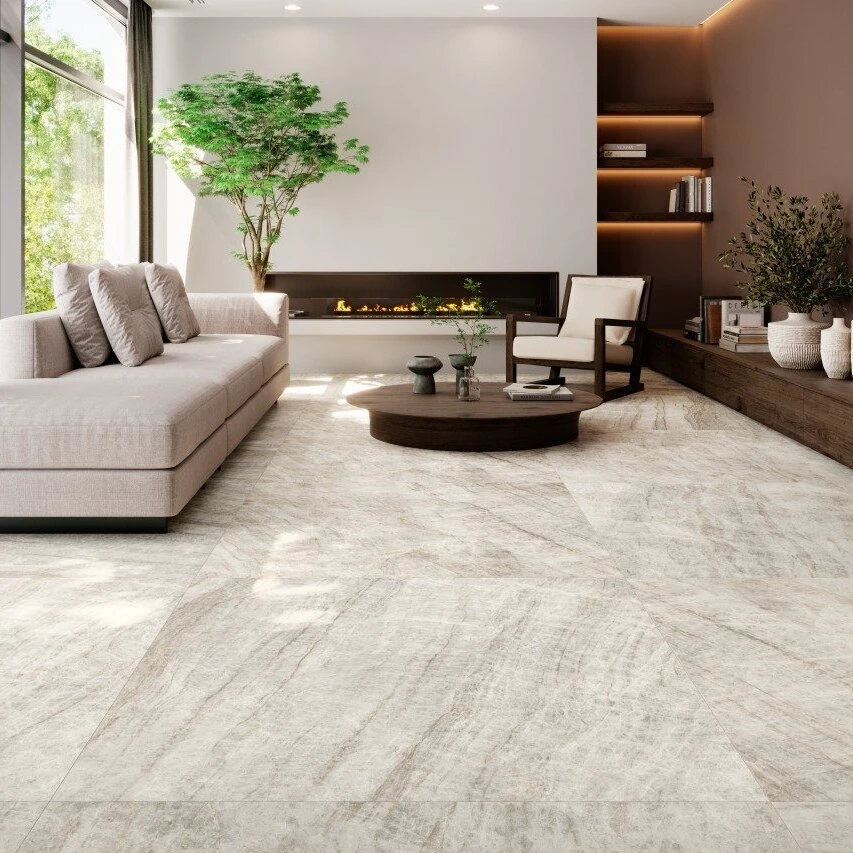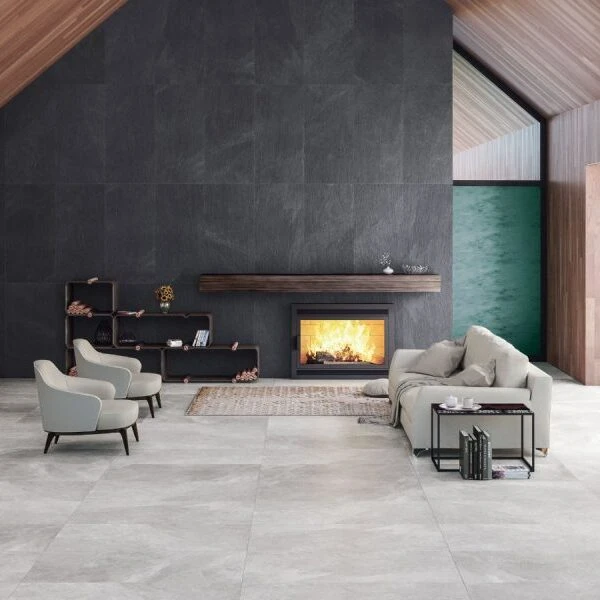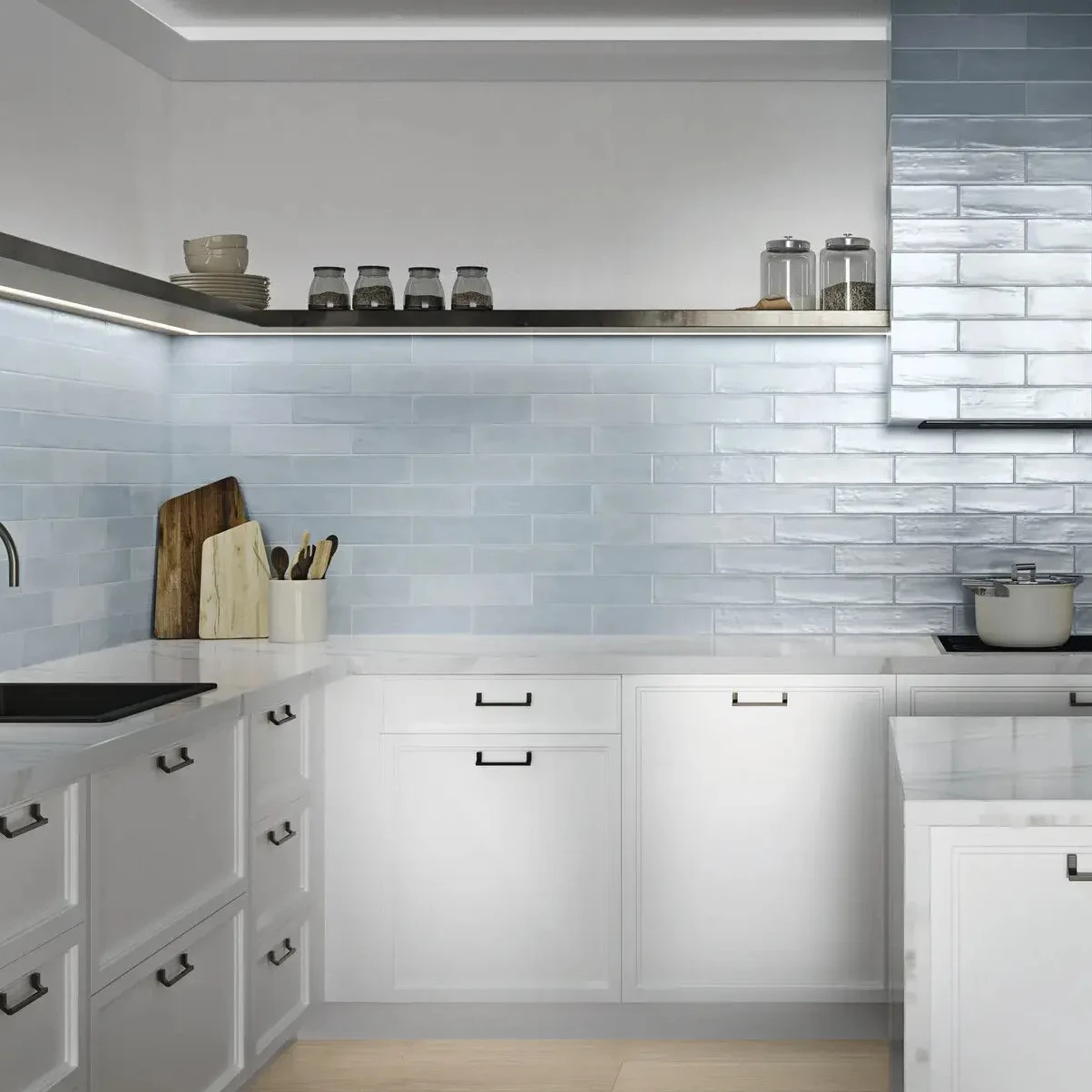




When it comes to tile and flooring projects, it’s easy to focus on the big elements — the tiles themselves, the layout, or the color palette. But the real secret to a polished, professional-looking result lies in the small details — and trims are one of the most important. These finishing pieces serve both aesthetic and functional purposes, providing edge protection, transitions, and decorative accents that tie everything together.
Whether you’re renovating a bathroom, upgrading a kitchen, or laying new floors throughout your home, this guide will walk you through everything you need to know about tile and flooring trims.
What Are Tile and Flooring Trims?
Tile and flooring trims are finishing pieces used to cover the exposed edges of tiles or flooring materials. They provide a neat, professional look and protect the edges from damage. Trims also help in transitioning between different flooring materials or levels.

Why Use Tile and Flooring Trims?
Tile and flooring trims are more than just decorative accents. Here’s why they’re essential:
-
Edge Protection: Prevents chipping or cracking along tile or plank edges.
-
Water Resistance: Helps seal moisture-prone areas like showers and backsplashes.
-
Transition Management: Allows for smooth changes between different floor materials (e.g., tile to carpet).
-
Visual Cohesion: Creates clean, professional lines and separates patterns or materials stylishly.
-
Code Compliance: In some settings, transitions and stair nosings are required for safety.
Types of Tile and Flooring Trims
Understanding the right trim for your tile or flooring project can make all the difference in both function and finish. Here’s a breakdown of the most commonly used trim types and where they shine:
1. Bullnose Trim
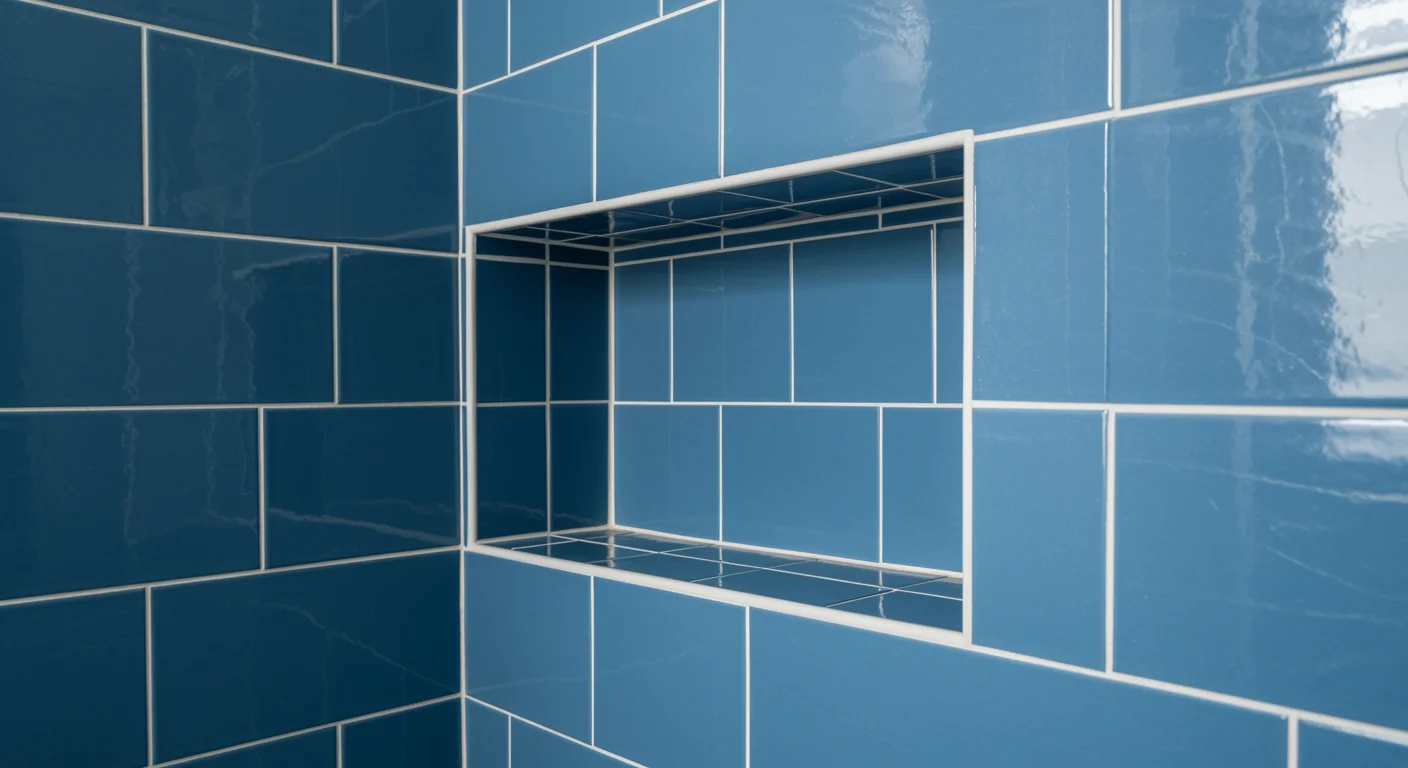
Bullnose trims feature a soft, rounded edge that’s perfect for finishing off tile installations on walls, countertops, and shower surrounds. They provide a smooth, polished transition and eliminate sharp tile edges for a more refined look.
2. Quarter Round & Cove Base
Quarter round trims have a curved profile that gently connects the floor to the wall — much like baseboards, but for tile or LVP. Cove base trims go a step further with a concave shape, making them ideal for wet environments like bathrooms or commercial kitchens, where cleanliness and water runoff matter.

3. Pencil Liners & Chair Rails
These narrow, decorative trims are used to define tile borders or create design breaks between different patterns or colors. Pencil liners offer a subtle accent, while chair rails are slightly wider and more pronounced — perfect for backsplashes or feature walls.
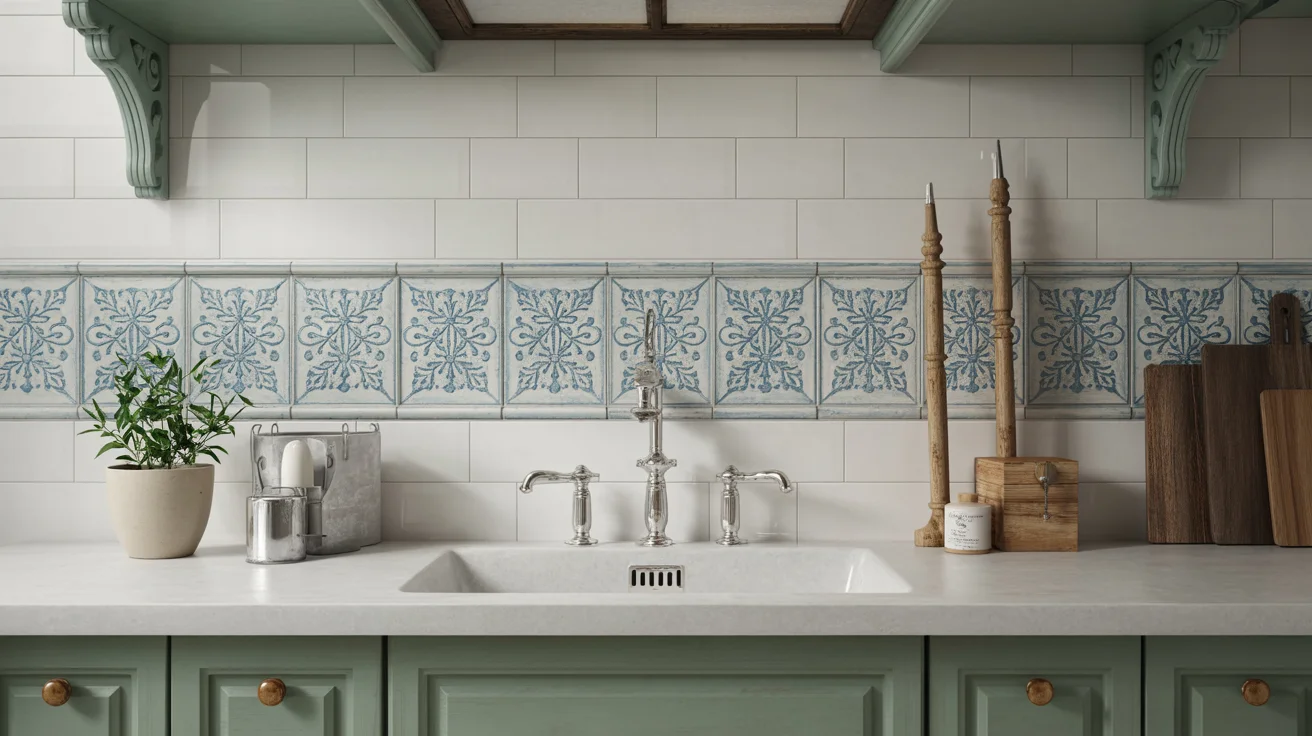 Pencil liner
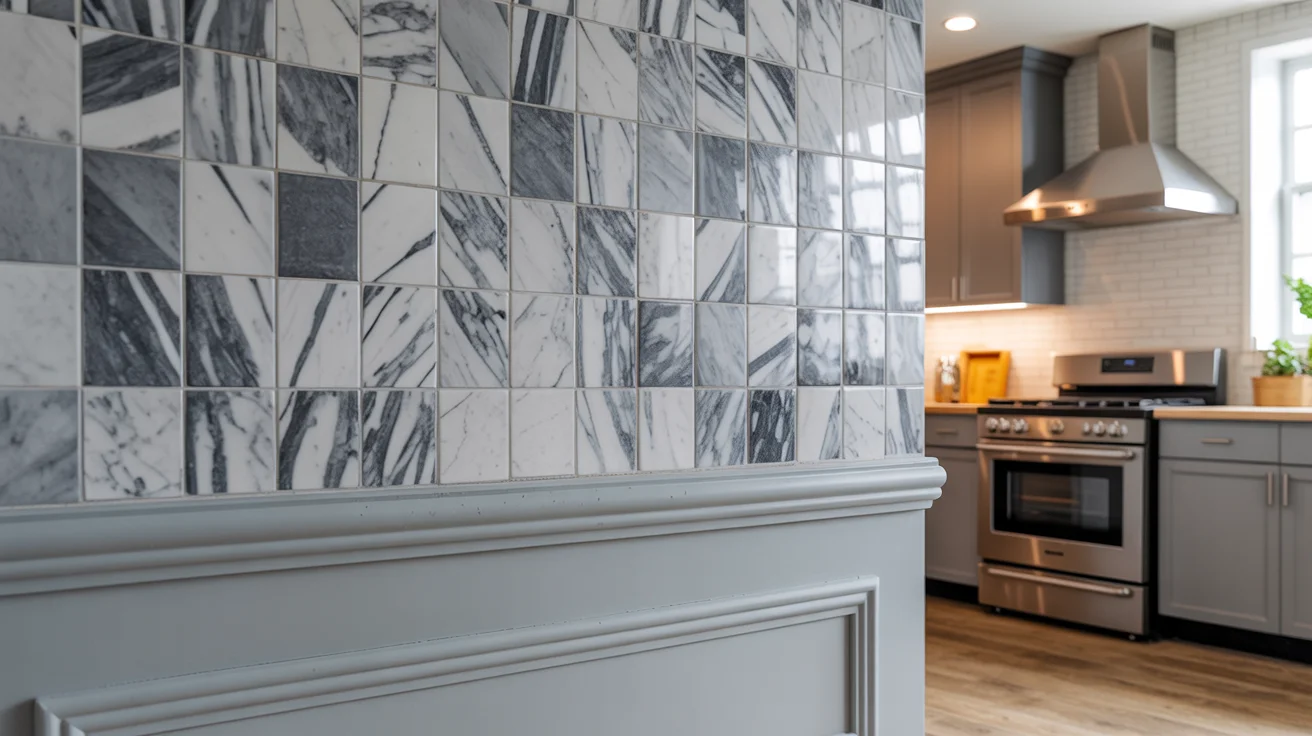 Chair rail
4. Metal or PVC Edge Trims
These trims come in various profiles such as L-shaped, T-shaped, or square-edged, and are made from durable materials like aluminum, stainless steel, or PVC. They’re commonly used in modern and minimalist designs and provide clean protection for tile edges, especially in high-traffic or wet areas.
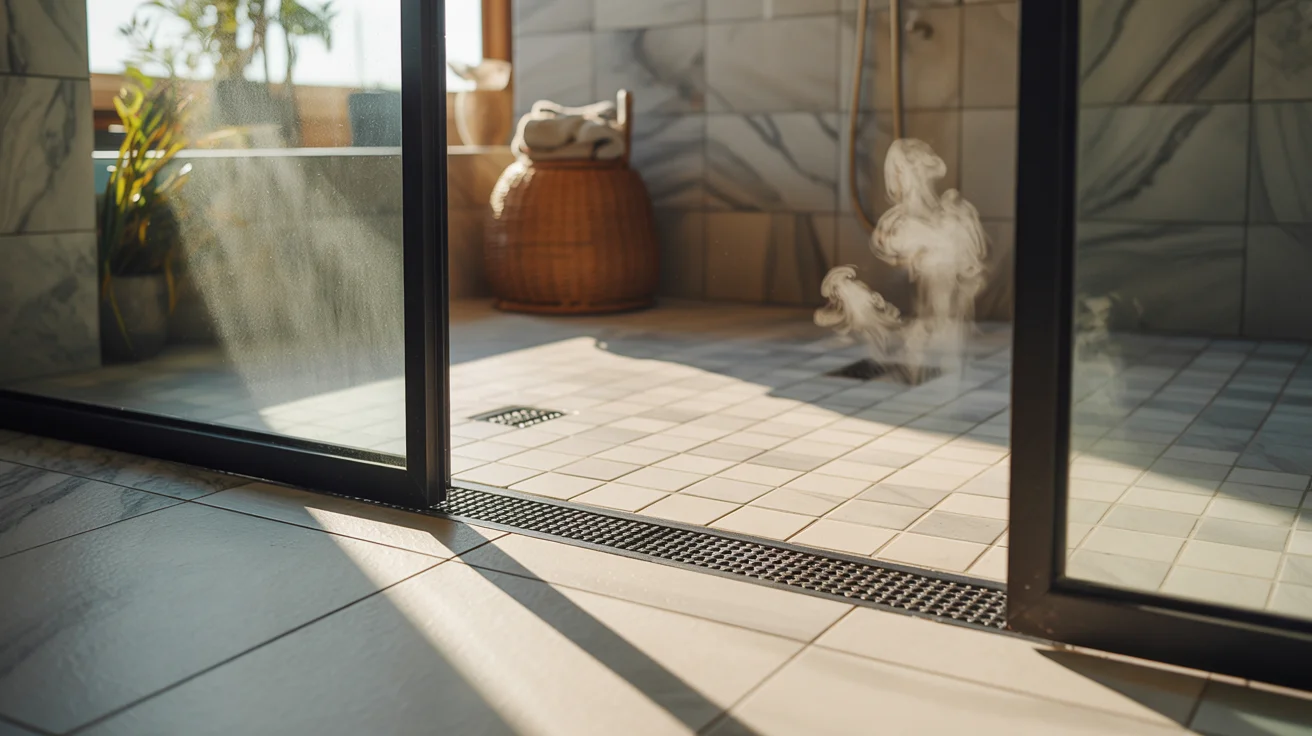
5. T-Molding
T-molding is designed to bridge two flooring surfaces of equal height — for example, where tile meets laminate. It’s especially useful between rooms or when transitioning from one material to another in open-concept layouts.
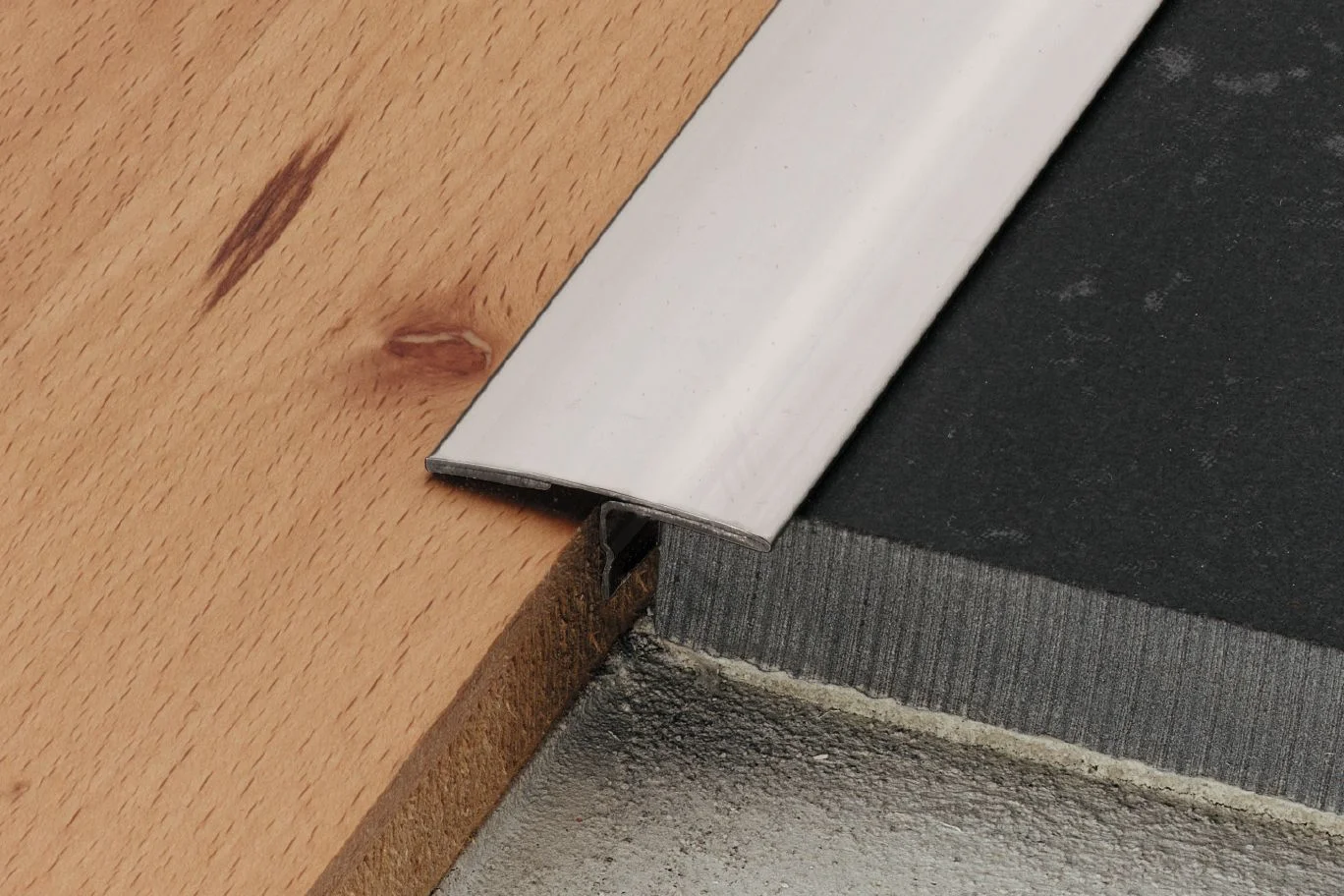
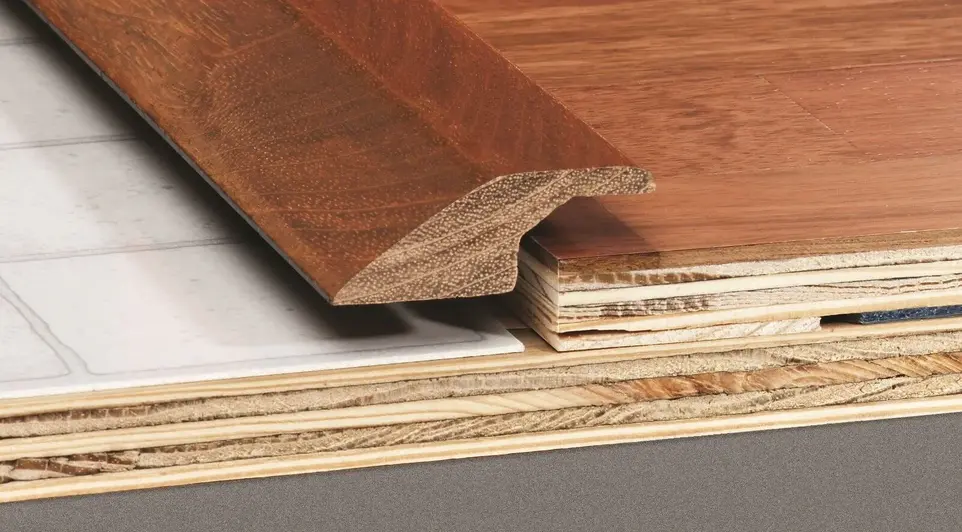
6. Reducer Trim
When two floors are at slightly different heights, a reducer trim offers a sloped transition to smooth out the difference. It’s great for connecting tile to thinner surfaces like LVP or wood, helping to prevent tripping hazards and creating a cohesive look.
7. Stair Nosing (Round, Square, Flush)
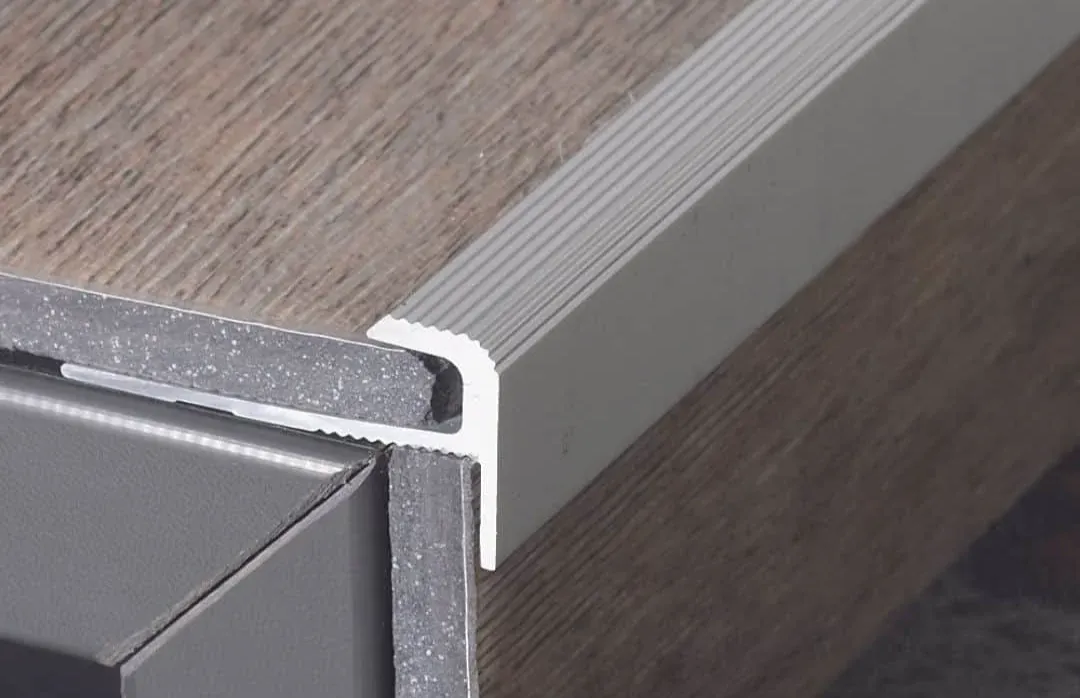
Stair nosing trims finish off the edge of each stair tread, improving both safety and aesthetics.
-
Round nosing has a classic curved edge.
-
Square nosing offers a sharp, modern finish.
-
Flush nosing sits level with your tile or plank, creating a seamless step.
These trims protect stair edges from wear and add grip where it’s most needed.
8. Threshold (End Cap / Carpet Trim)
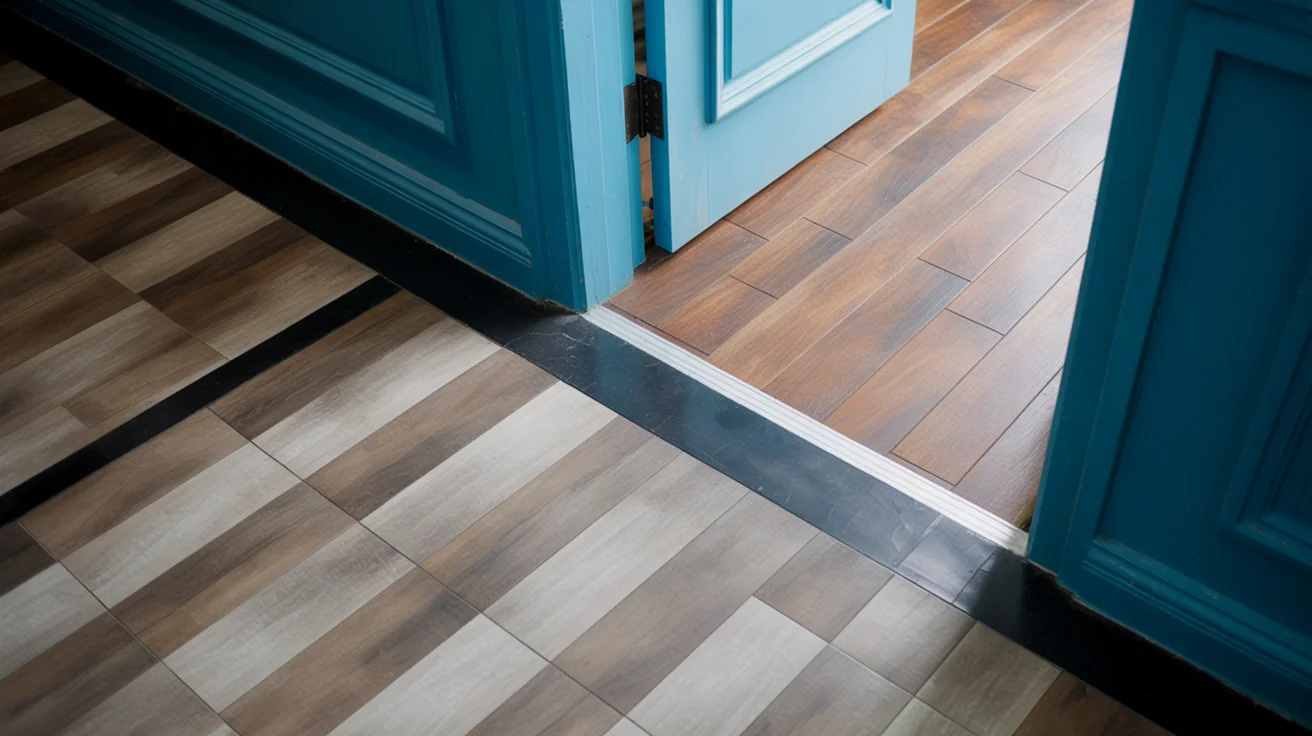
Threshold trims, also known as end caps, are used where tile ends against vertical surfaces like doorways, fireplaces, or sliding doors. They’re also ideal for finishing the edge between tile and low-pile carpet, providing a clean transition that’s both functional and polished.
Considerations When Choosing the Right Trim
When selecting tile or flooring trim, think beyond looks. Consider these key factors:
Material Compatibility
-
Use metal or stone trims with natural stone.
-
Ceramic or bullnose trims pair best with ceramic tiles.
-
PVC trims are good for budget or DIY projects.
Color & Finish
-
Match tile color for a seamless look.
-
Choose contrast to highlight design features.
-
Metallics (brushed nickel, black, brass) add a modern touch.
Location & Use
-
Wet areas (showers, bathrooms) require water-resistant trims.
-
Floors need trims that resist foot traffic and tripping.
Tile Thickness
-
Trims must match tile thickness to avoid awkward lips or edges.
Installation Type
-
Some trims are surface-mounted; others go under the tile or plank.
-
Consider whether trims are installed before or after main flooring.

Maintenance Tips
-
Regular Cleaning: Clean trims with appropriate cleaners to prevent buildup of dirt and grime.
-
Inspect for Damage: Periodically check for any signs of wear or damage and replace trims as needed.
-
Seal if Necessary: Some trims, especially metal ones, may require sealing to prevent corrosion.
Final Thoughts
Trims may seem like an afterthought, but they play a pivotal role in both function and design. The right trim not only enhances the beauty of your tile or flooring project but also ensures its longevity by protecting vulnerable edges and transitions. At Tile Decor, we believe that details matter — and our collection of trims reflects that.
Common FAQs
What’s the difference between bullnose and quarter round?
Bullnose has a single rounded edge; quarter round is a curved base trim, ideal for floor-to-wall transitions.
Can I use metal trims in wet areas like showers?
Yes! Use anodized aluminum or stainless steel trims for durability in moisture-prone environments.
Do I need a transition strip between tile and carpet?
Yes — a reducer or end cap trim creates a safe and smooth transition between these materials.
How do I match trim thickness with tile?
Choose trims with internal channels that match the exact thickness of your tile or plank (e.g., 9mm, 12mm).
What’s the best trim for stairs?
Stair nosing trims provide slip protection and aesthetic finish. Choose round, square, or flush styles based on your look.
Do trims come pre-finished?
Most metal and PVC trims are pre-finished. Some stone or wood trims may require sealing or finishing.