



Designing a child’s room involves balancing creativity, safety, and functionality. When it comes to flooring, tiles offer a durable and versatile solution that can adapt to your child’s evolving needs and tastes. In this guide, we’ll explore the best tile options for kids’ rooms, considering factors like safety, maintenance, and design flexibility.
Why Choose Tile for Children's Rooms?
Tiles are an excellent flooring choice for children’s spaces due to their:
-
Durability: Tiles can withstand heavy foot traffic, toy drops, and spills.
-
Ease of Maintenance: They are easy to clean and resistant to stains.
-
Design Versatility: Available in various colors, patterns, and textures to suit any theme.
-
Allergen Reduction: Unlike carpets, tiles don’t trap dust or allergens, promoting better indoor air quality.

Top Tile Options for Kids' Rooms
1. Porcelain Tiles
-
Pros: Highly durable, water-resistant, and available in numerous designs.
-
Cons: Can be hard underfoot; consider using area rugs for added comfort
2. Ceramic Tiles
-
Pros: Affordable, easy to clean, and come in various colors and patterns.
-
Cons: Less durable than porcelain; may chip under heavy impact.
3. Vinyl Tiles
-
Pros: Soft underfoot, slip-resistant, and available in fun designs suitable for kids.
-
Cons: May not be as long-lasting as ceramic or porcelain tiles.
4. Foam Tiles
-
Pros: Soft, cushioned surface ideal for play areas; easy to install and replace.
-
Cons: Less durable; best suited for temporary or specific play zones.
Design Tips for Tiled Kids' Rooms
-
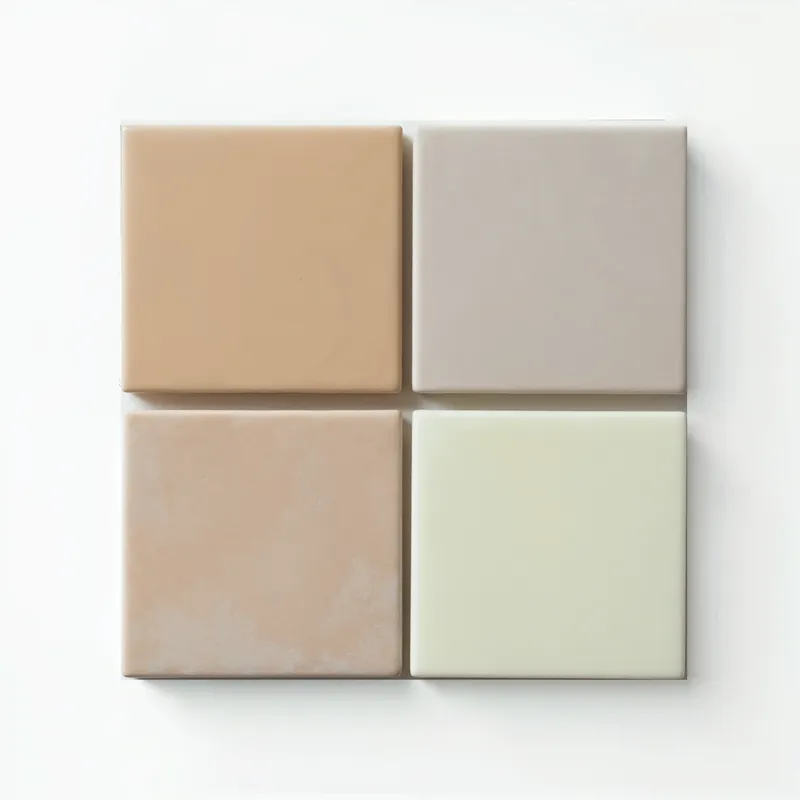
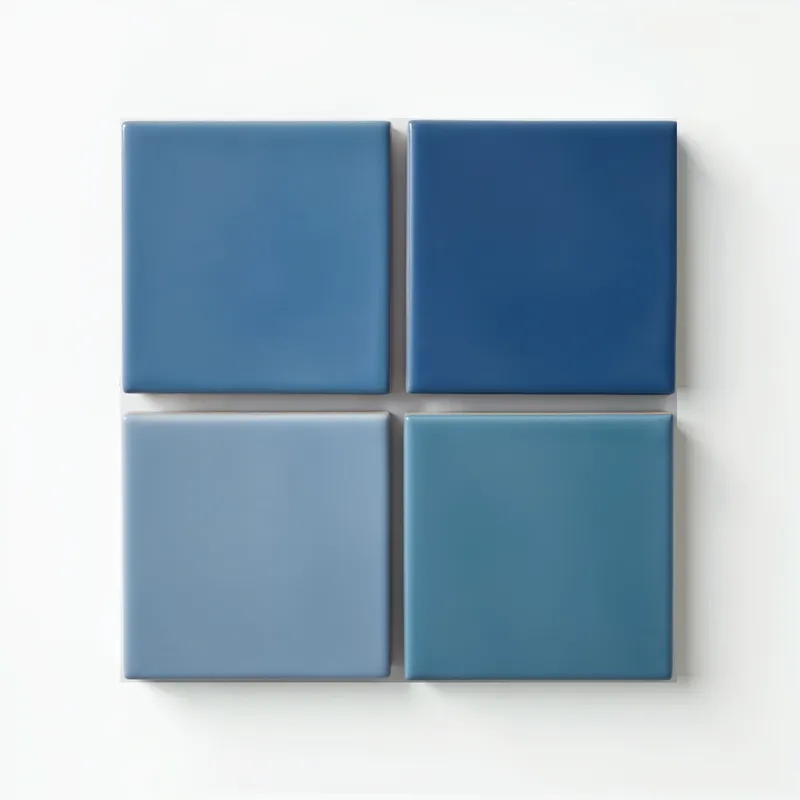
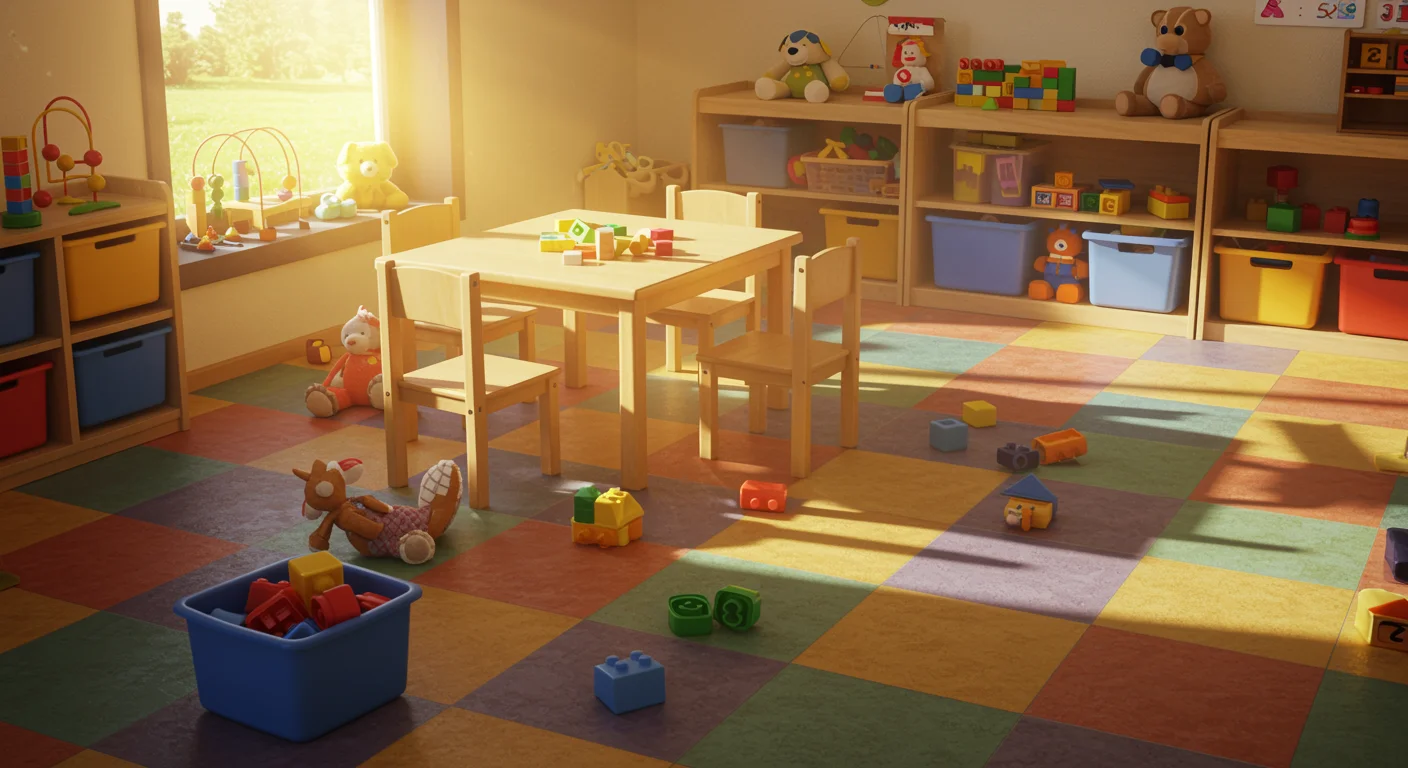
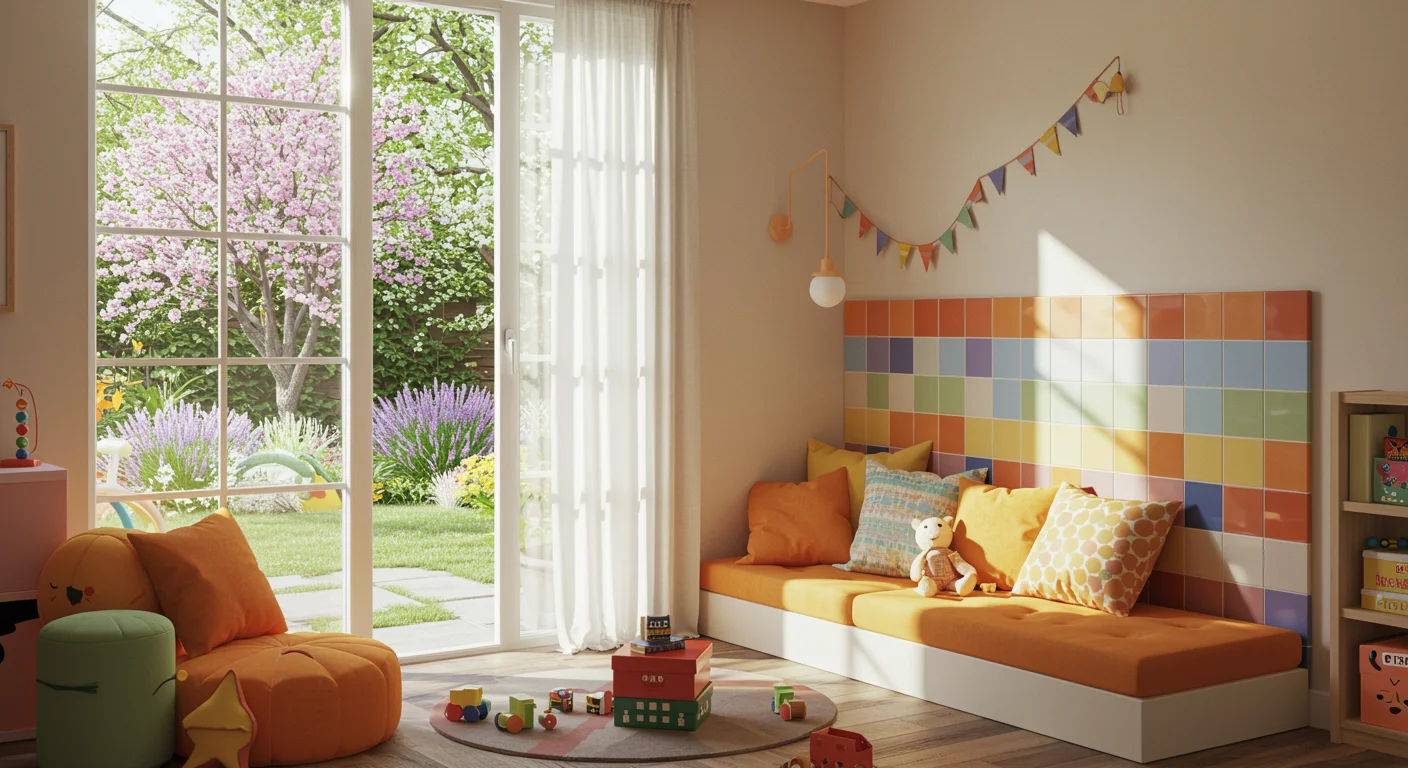
Colorful Patterns: Use tiles in bright colors or playful patterns to stimulate creativity.

-
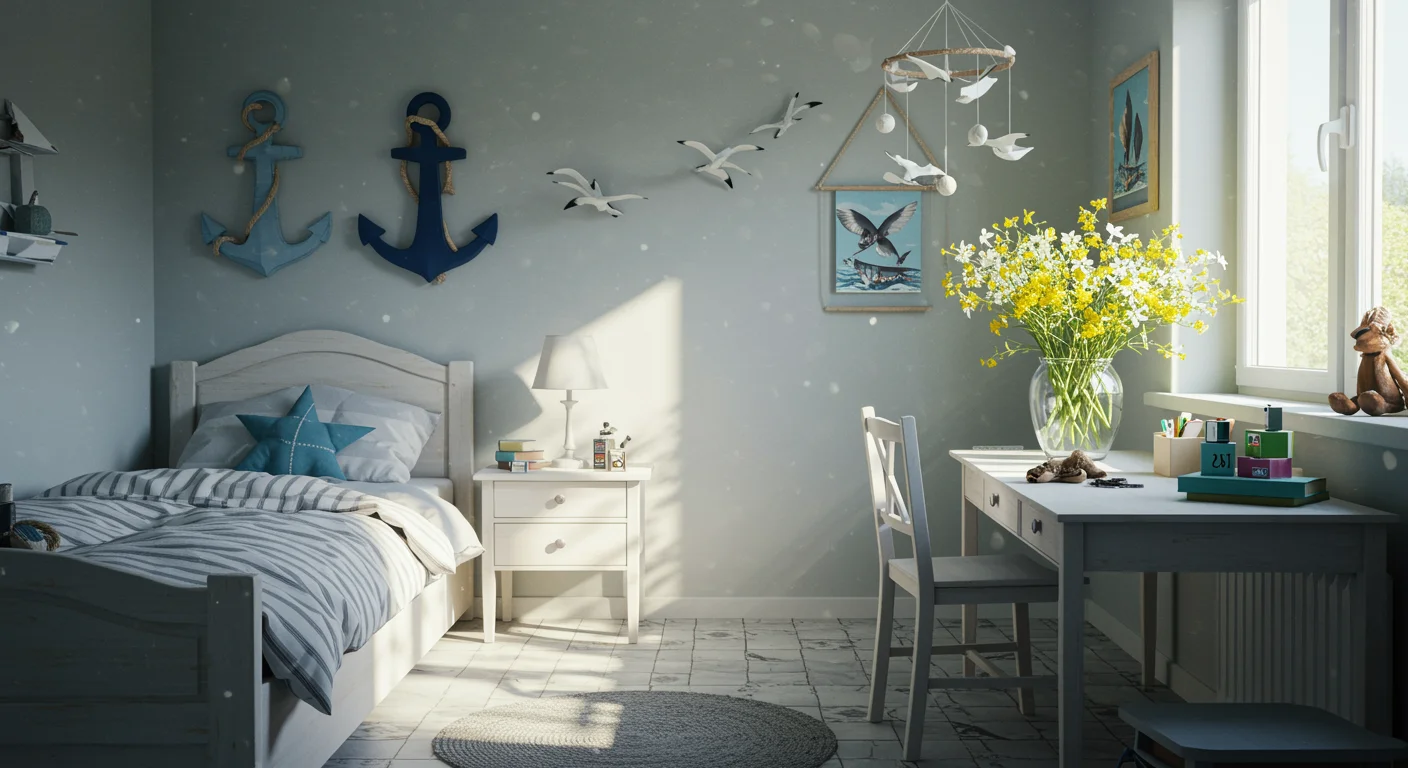
Themed Designs: Incorporate tiles that match the room’s theme, such as nautical, jungle, or space motifs.
-
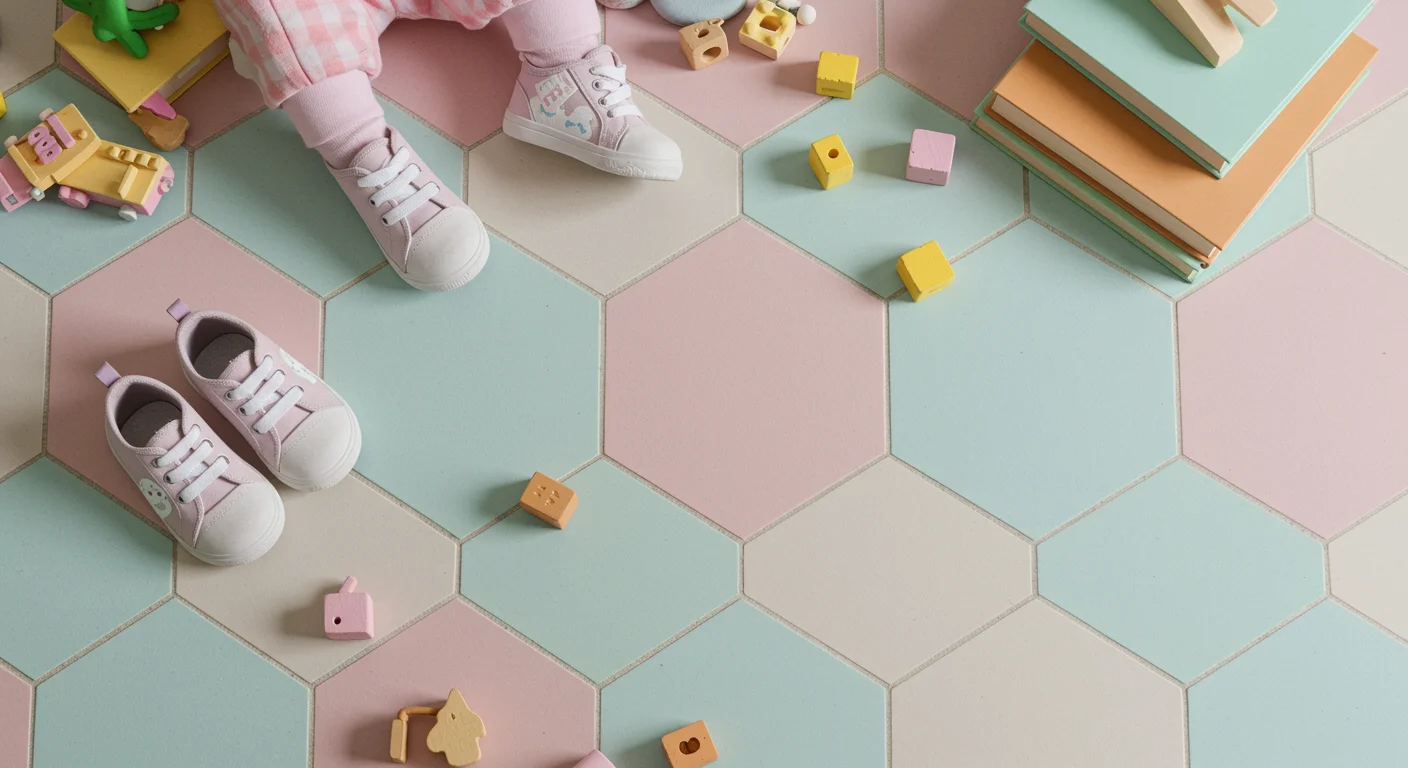
Mix and Match: Combine different tile shapes and colors to create unique designs or learning opportunities (e.g., alphabet or number tiles).
-
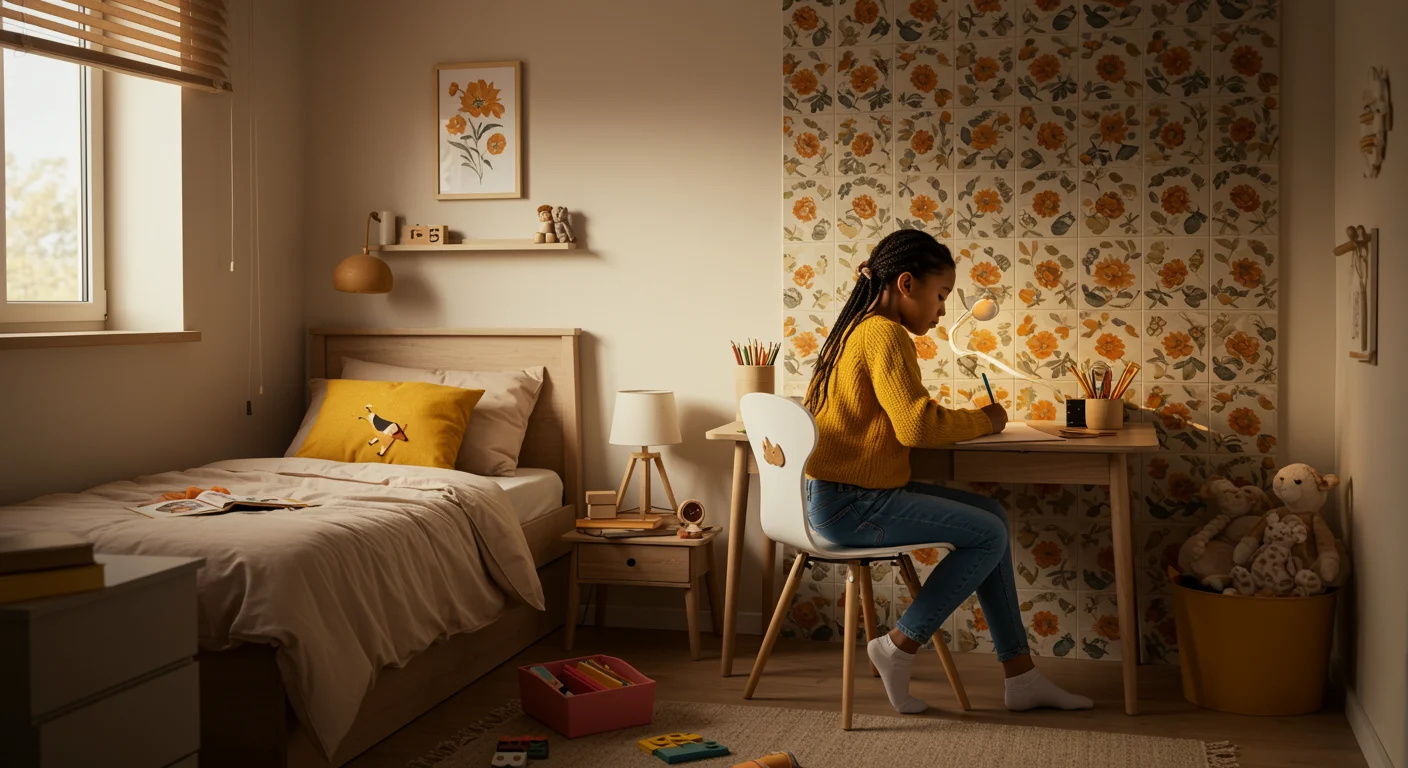
Accent Walls: Use decorative tiles on one wall to create a focal point without overwhelming the space.
shapes and colors to create unique designs or learning opportunities (e.g., alphabet or number tiles).
Maintenance and Safety Considerations
-
Slip Resistance: Choose tiles with a textured surface to prevent slips, especially in play areas.
-
Grout Selection: Opt for darker grout colors to minimize the appearance of stains.
-
Regular Cleaning: Maintain hygiene by regularly cleaning tiles with child-safe cleaning products.
-
Edge Protection: Use edge guards or transition strips to prevent tripping hazards at tile boundaries.

Final Thoughts
Tiles offer a practical and stylish flooring solution for children’s rooms, combining durability with design flexibility. By selecting the right type of tile and incorporating creative design elements, you can create a safe, fun, and adaptable space that grows with your child.
Explore Tile Decor's Kid-Friendly Tile Collection
At Tile Decor, we offer a wide range of tiles suitable for children’s rooms. Browse our collection to find the perfect match for your design vision.
Common FAQs
Are tiles safe for children's rooms?
Yes, when chosen correctly. Opt for slip-resistant tiles and ensure proper installation to create a safe environment.
How do I make tile flooring more comfortable for kids?
Use area rugs or foam play mats over tiles to provide cushioning and warmth.
Can I install tiles myself in my child's room?
While some tiles are DIY-friendly, professional installation ensures safety and longevity, especially for ceramic and porcelain tiles.
How do I clean and maintain tiles in a kid's room?
Regularly sweep and mop using child-safe cleaning agents. Promptly clean spills to prevent stains.
What tile designs are best for stimulating a child's creativity?
Bright colors, interactive patterns (like numbers or letters), and themed designs can enhance creativity and learning.