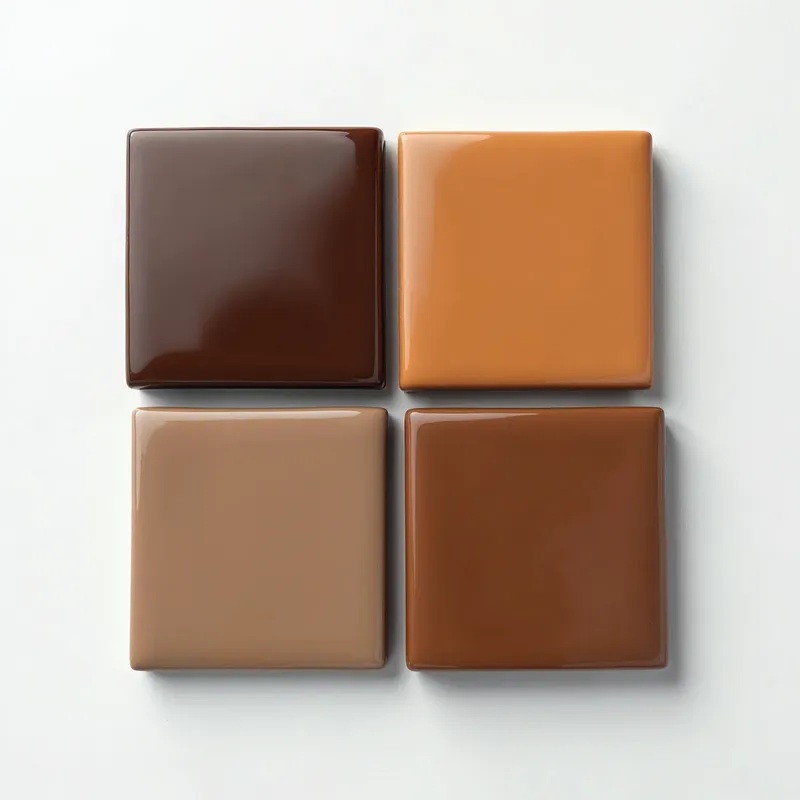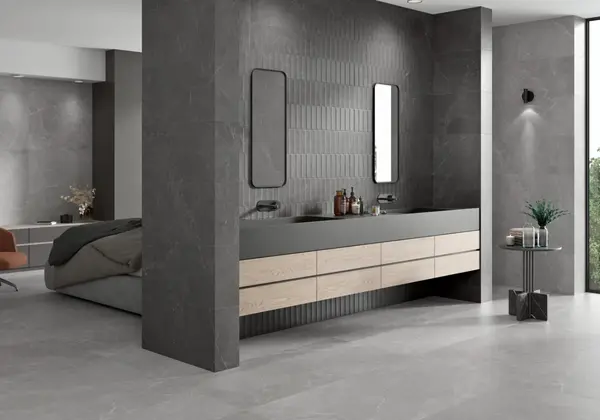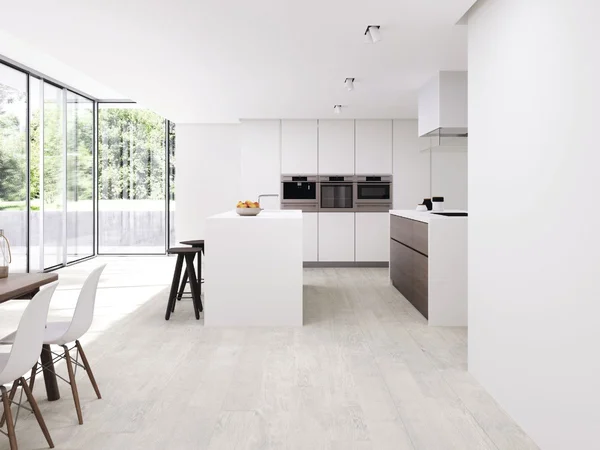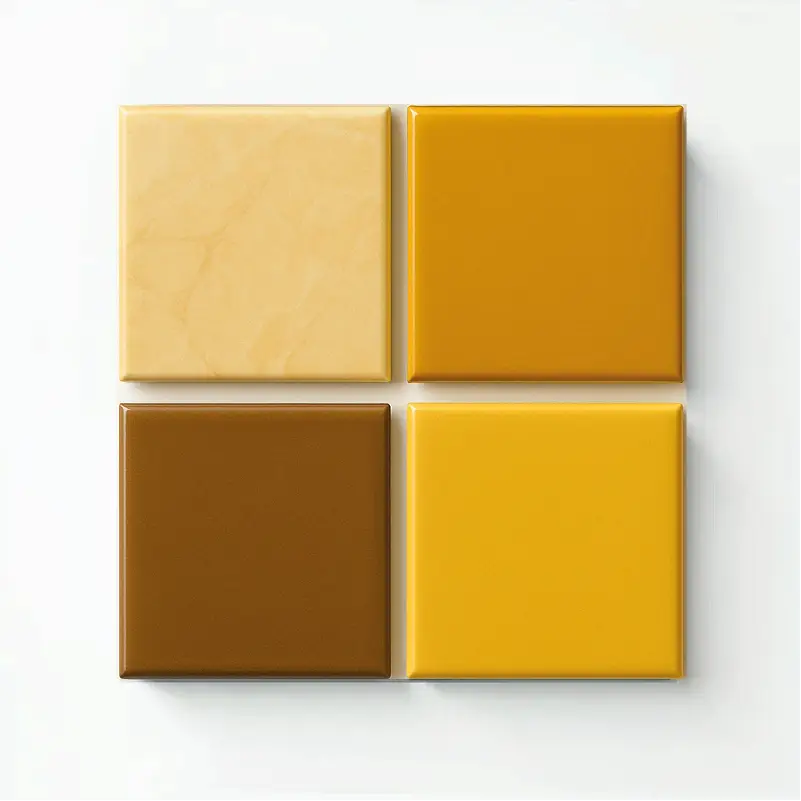



Grout color might seem like a minor detail in your tile project, but it plays a pivotal role in the overall aesthetic and functionality of your space. The right grout color can enhance your tile design, create visual harmony, or make a bold statement. In this guide, we’ll explore how to select the perfect grout color for your next project.
Understanding Grout's Role in Design
Grout serves more than just a functional purpose of filling the gaps between tiles; it’s a design element that can influence the look and feel of your space. Depending on your choice, grout can either blend seamlessly with your tiles or provide a striking contrast that highlights the tile pattern.

Grout Color Options and Their Impact
Matching Grout
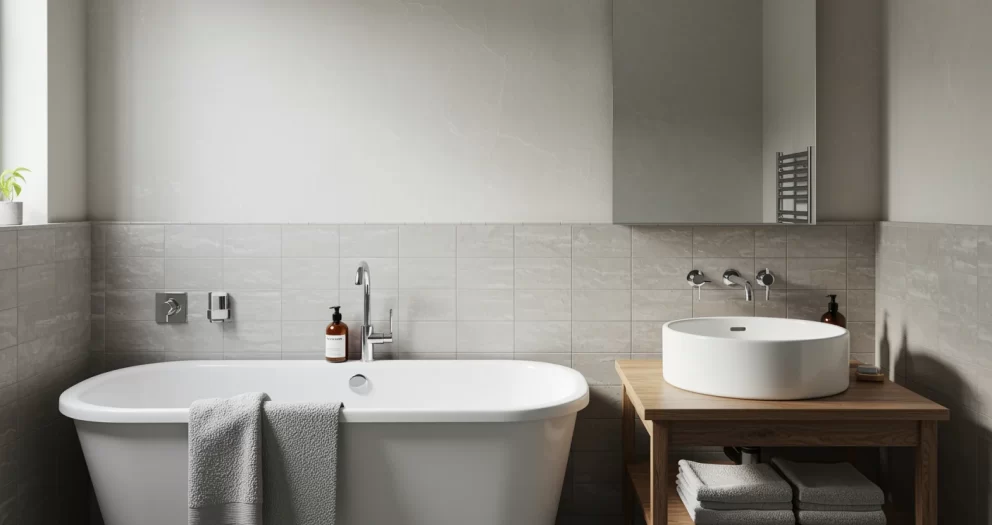
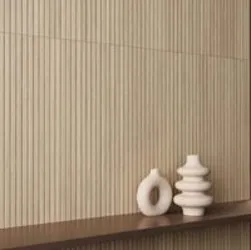
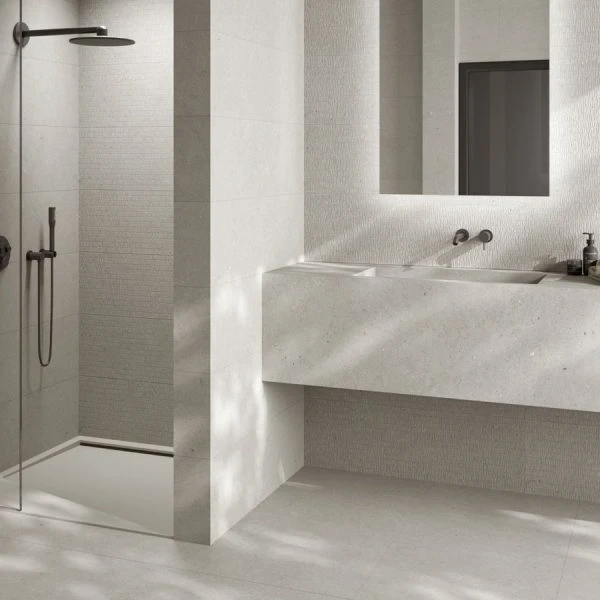
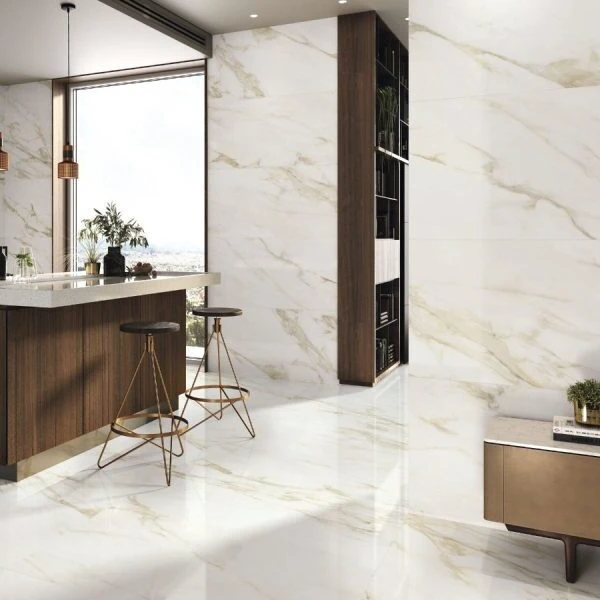
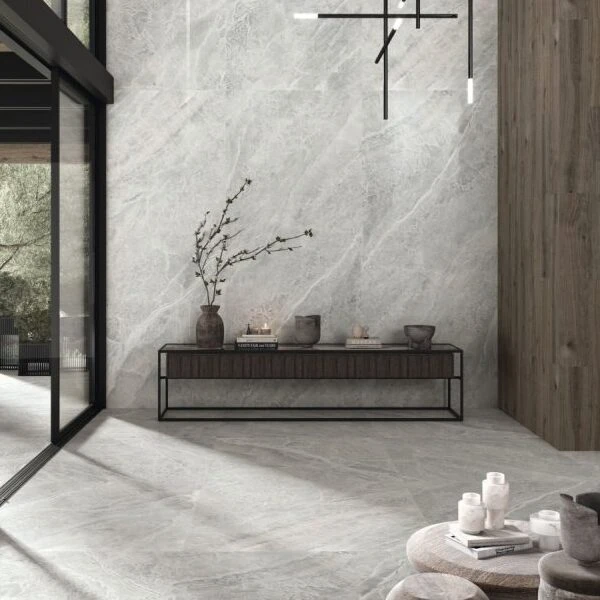
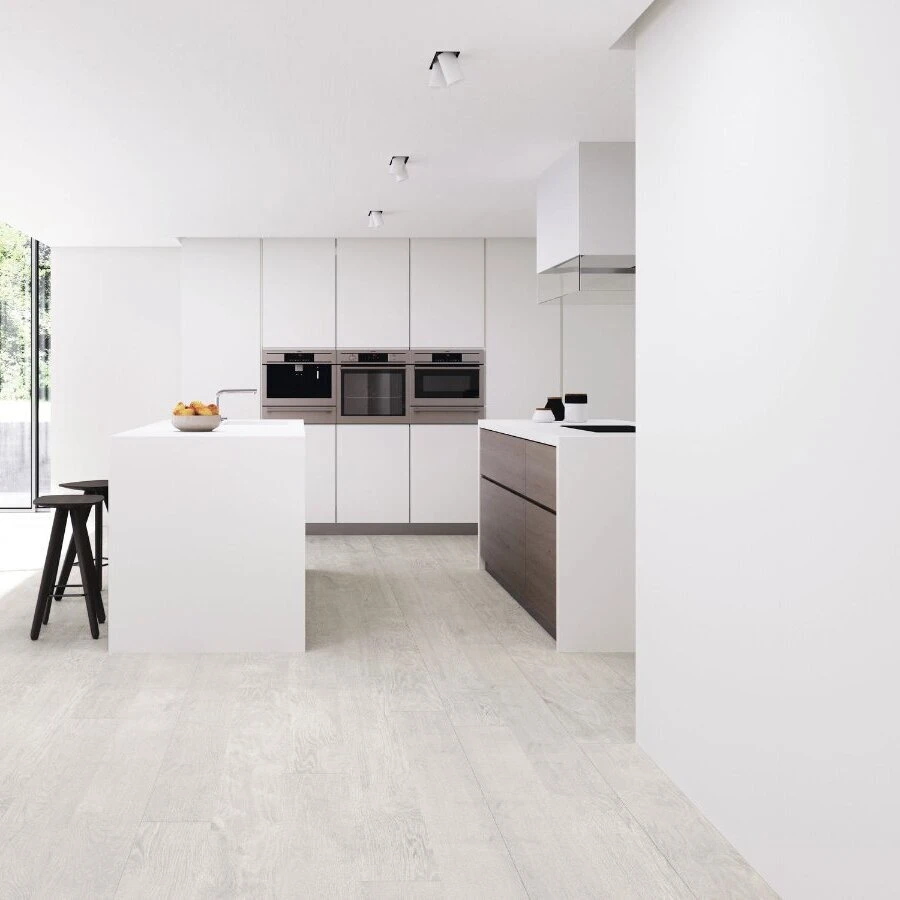
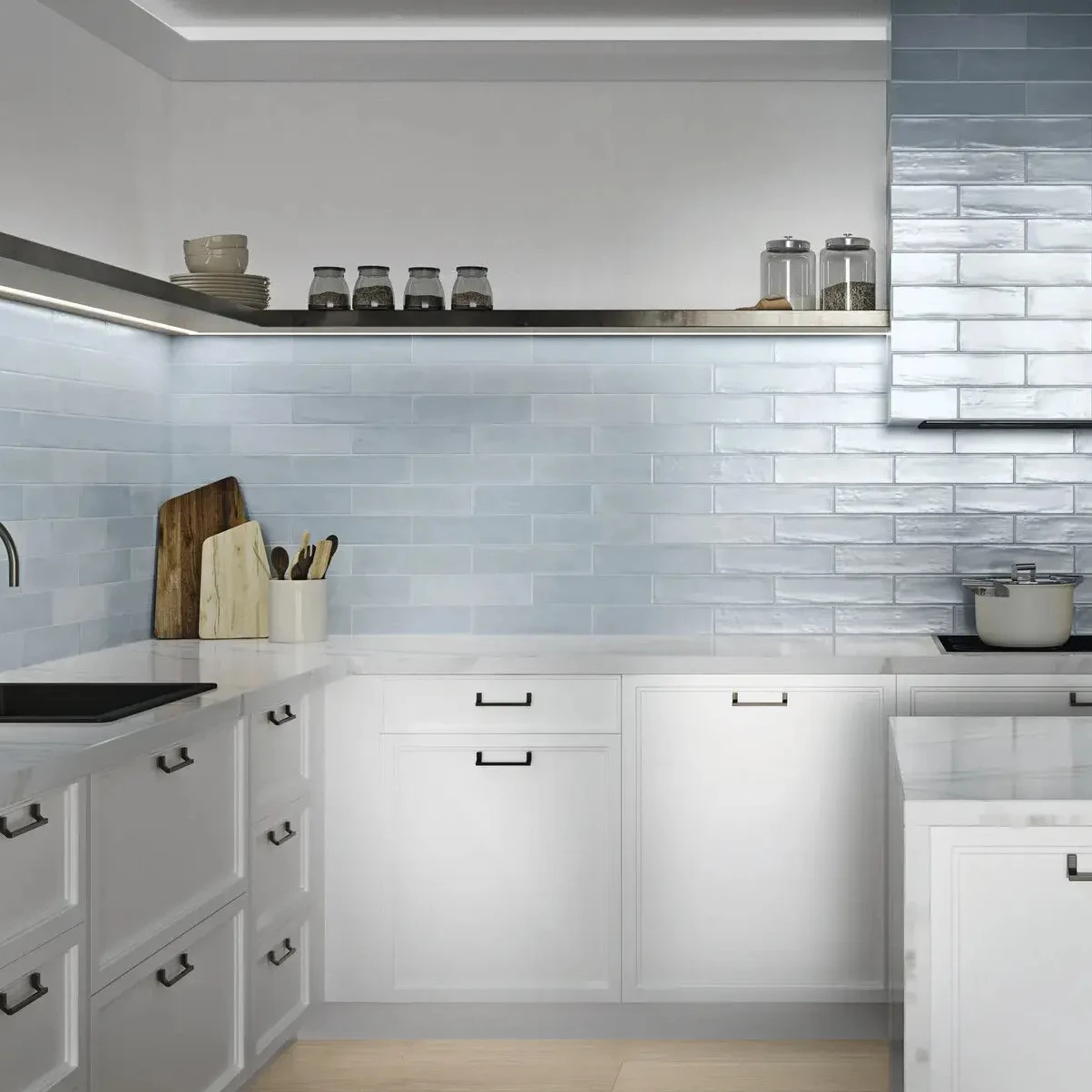
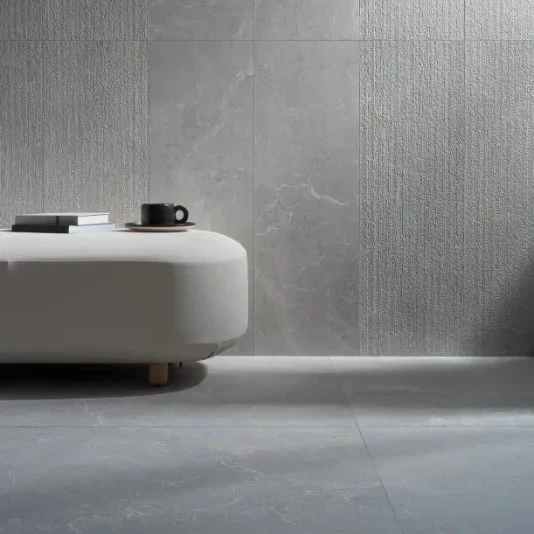
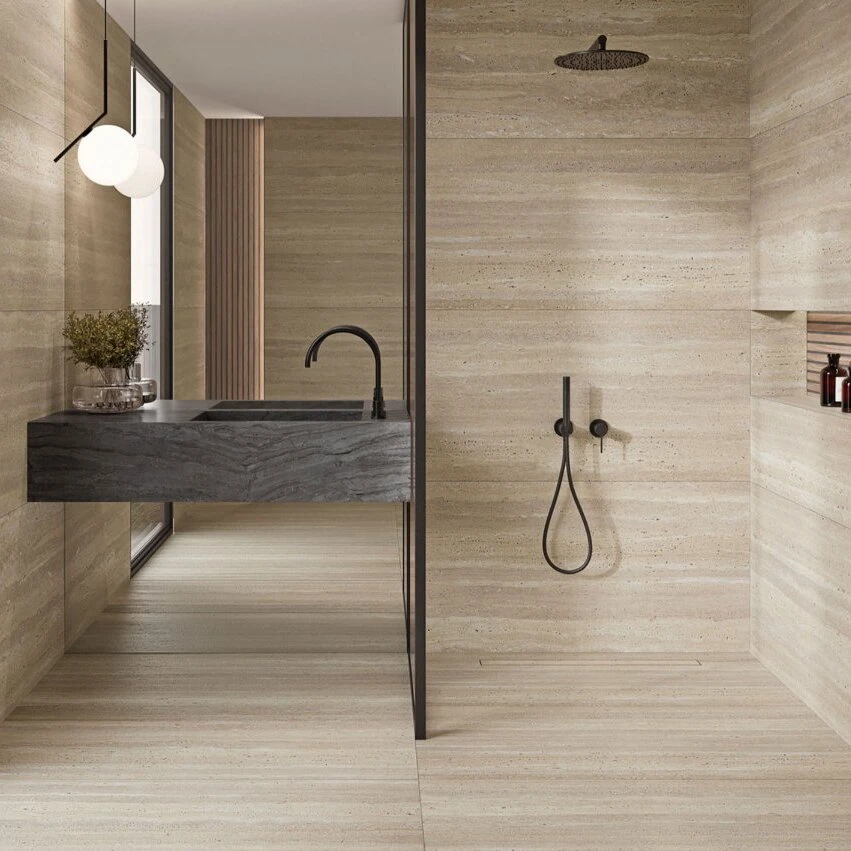
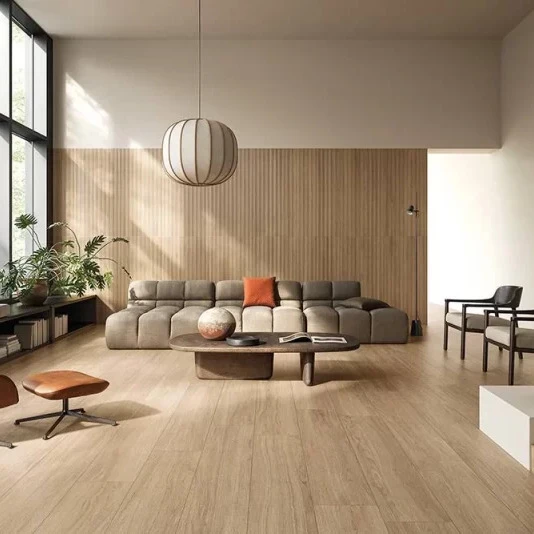
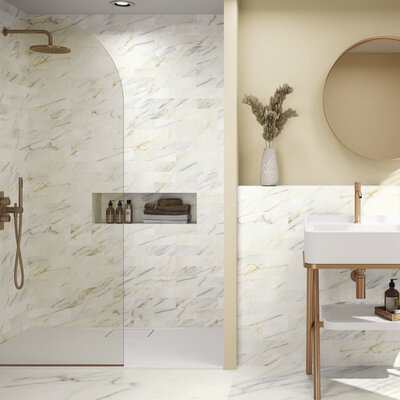
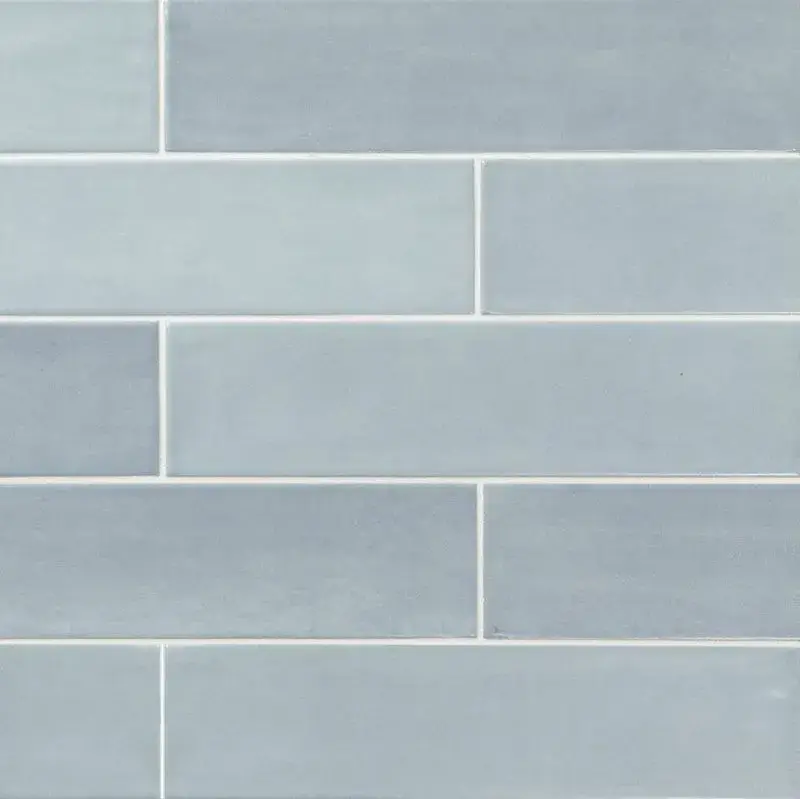
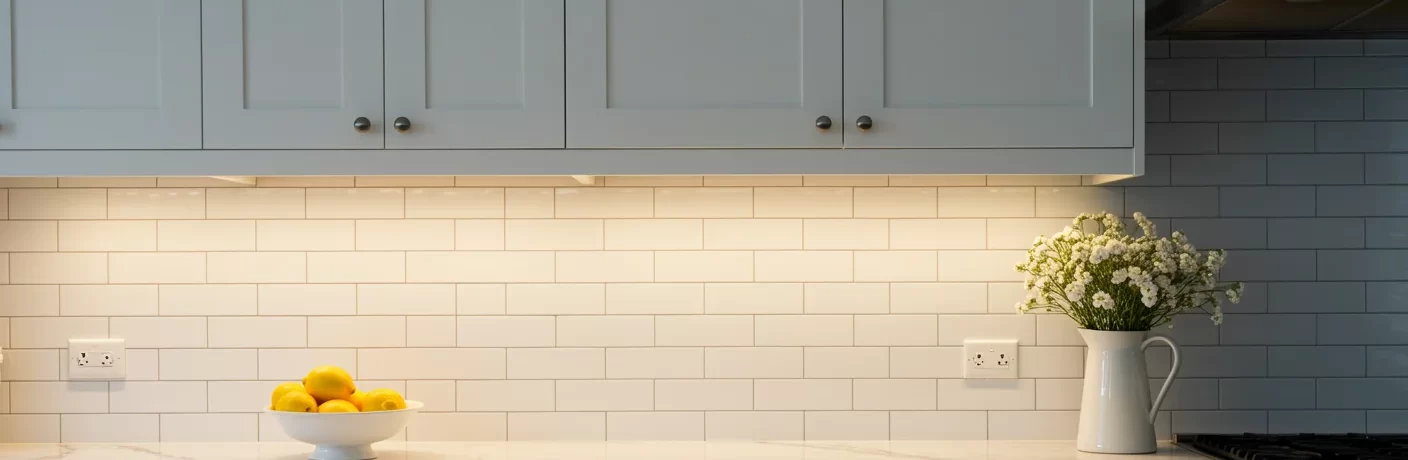
Choosing a grout color that closely matches your tile creates a cohesive and uniform appearance. This approach is ideal when you want the tile to be the focal point without the distraction of visible grout lines.

Contrasting Grout
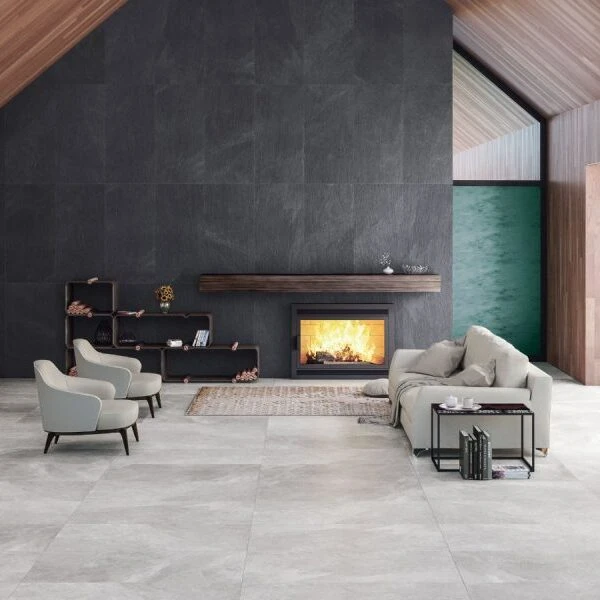
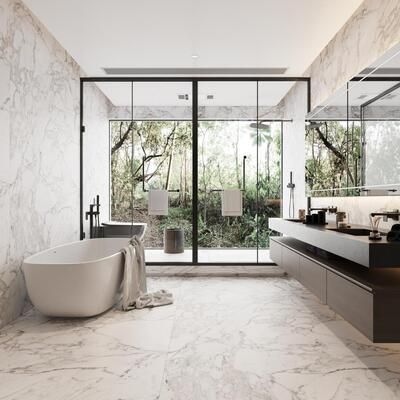
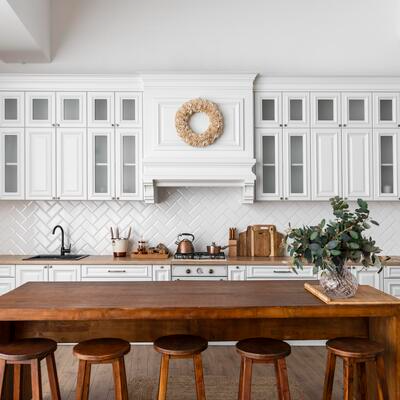
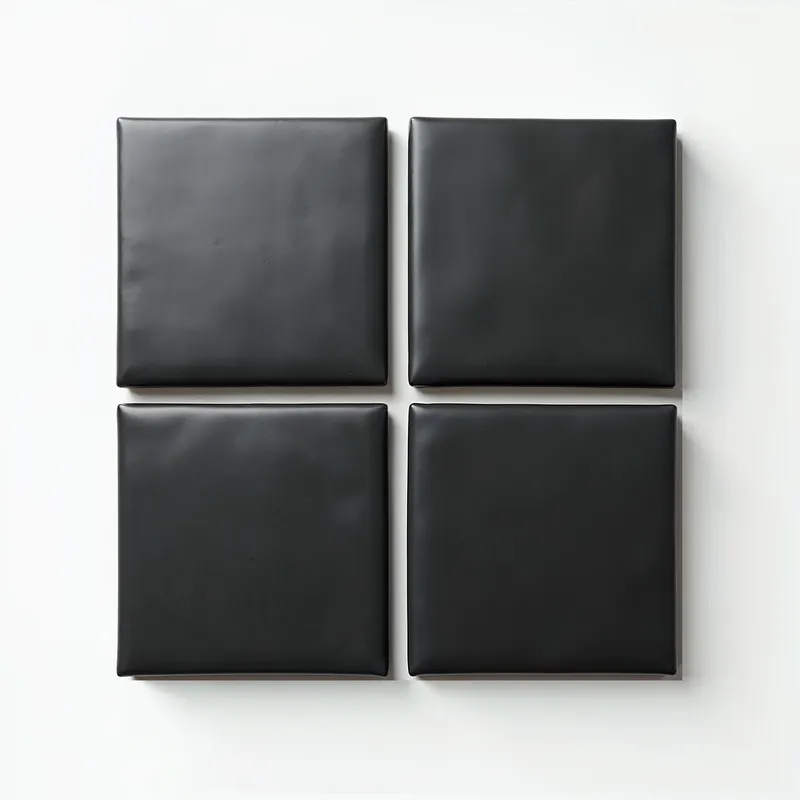
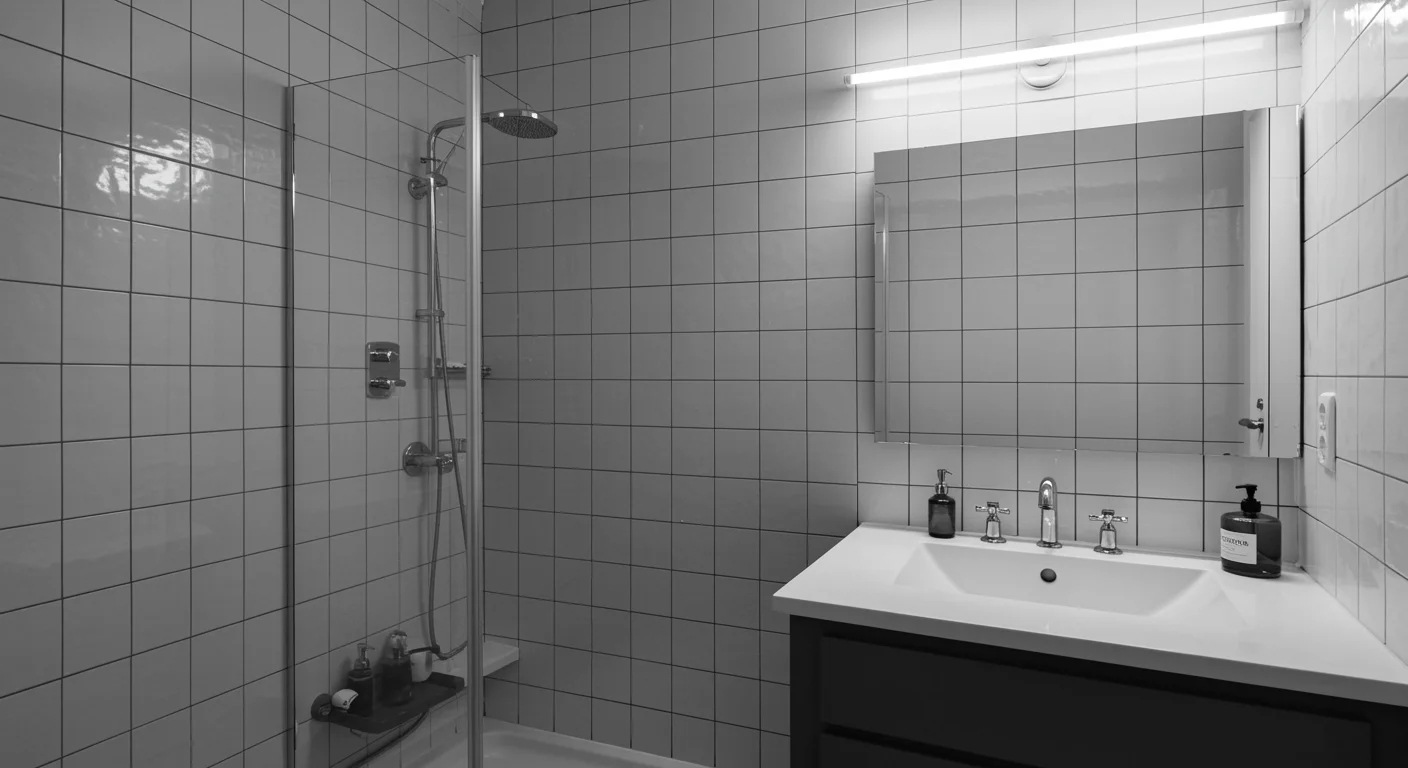
Opting for a grout color that contrasts with your tile can emphasize the tile pattern and layout. For instance, white tiles with black grout can create a classic, timeless look, while dark tiles with light grout can add depth and dimension.
Neutral Grout
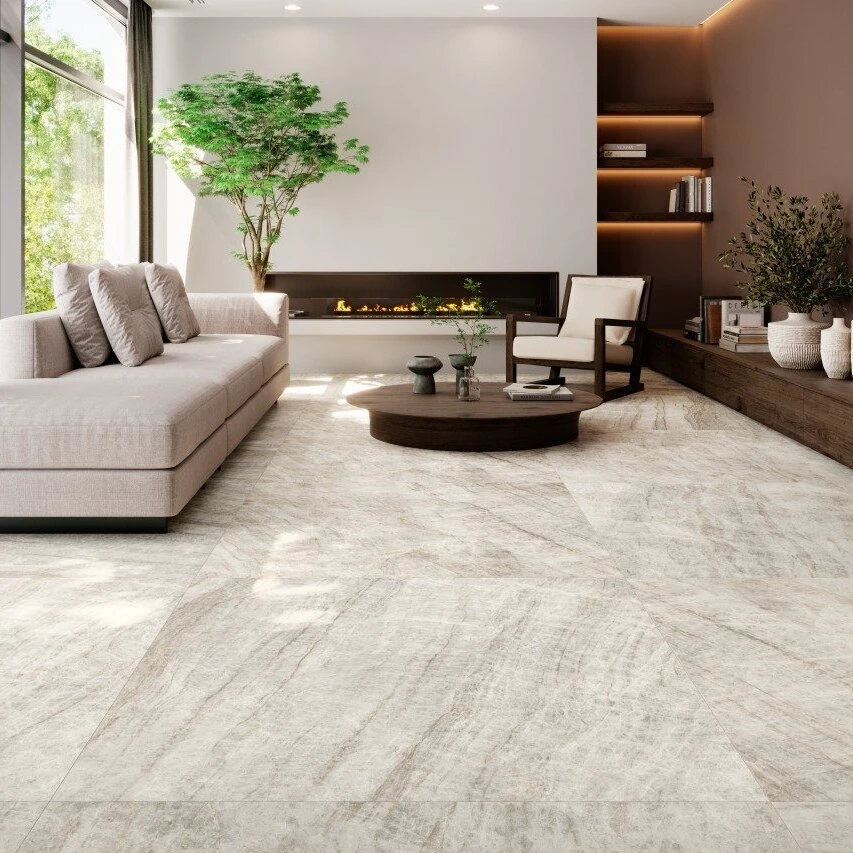
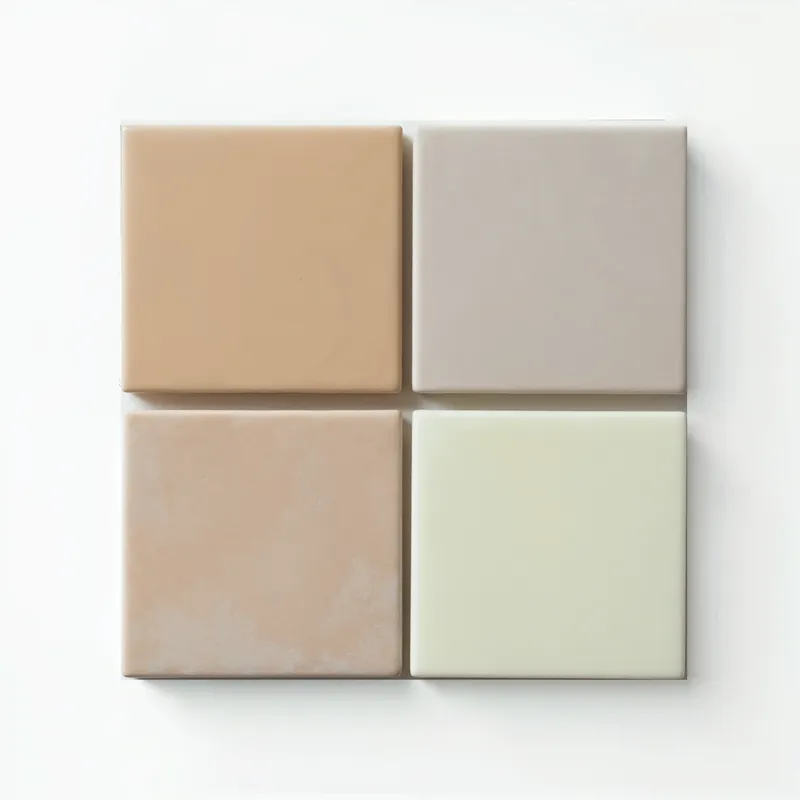
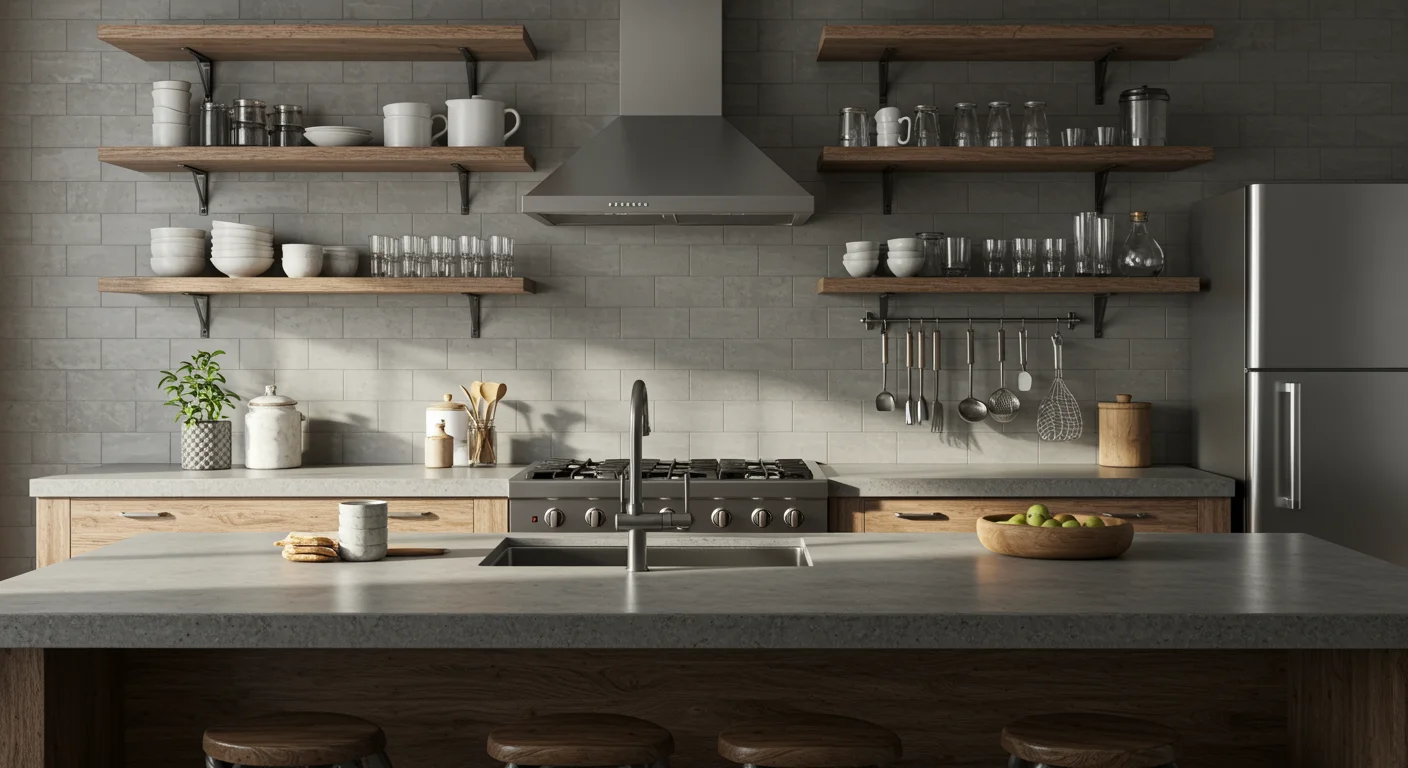
Neutral grout colors like gray or beige offer a balanced approach, providing subtle contrast without overpowering the tile design. This choice is versatile and works well with various tile colors and styles.
Bold and Colorful Grout
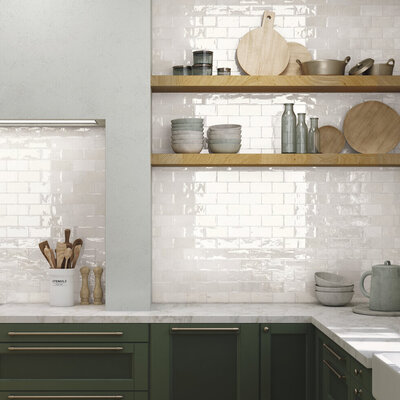
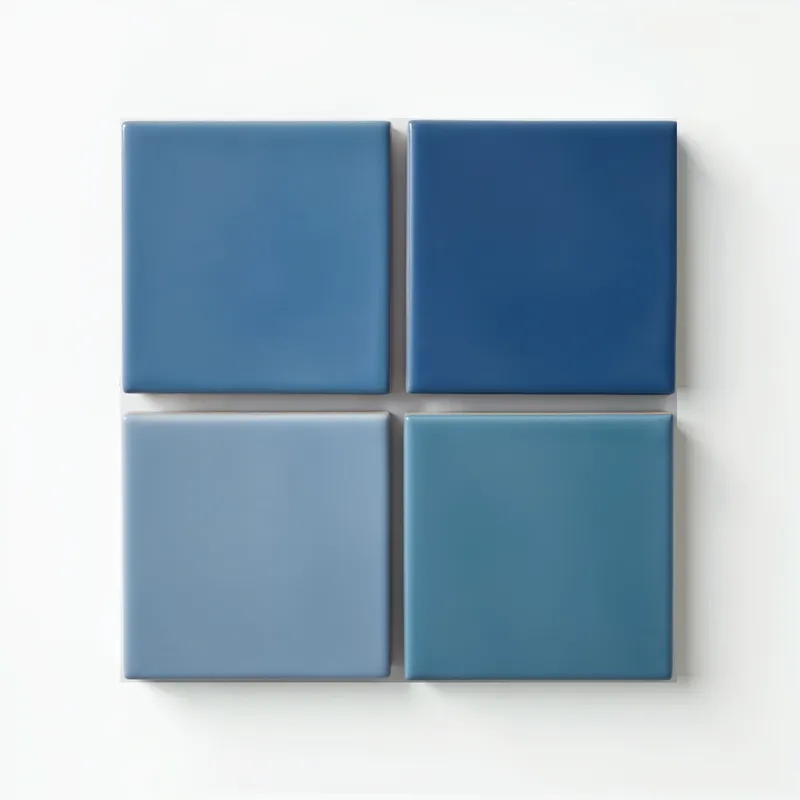
For those looking to make a statement, colorful grout options are available in hues like blue, green, or even metallics. These can add a unique touch to your space, especially when paired with simple or monochromatic tiles.

Factors to Consider When Choosing Grout Color
Tile Color and Pattern
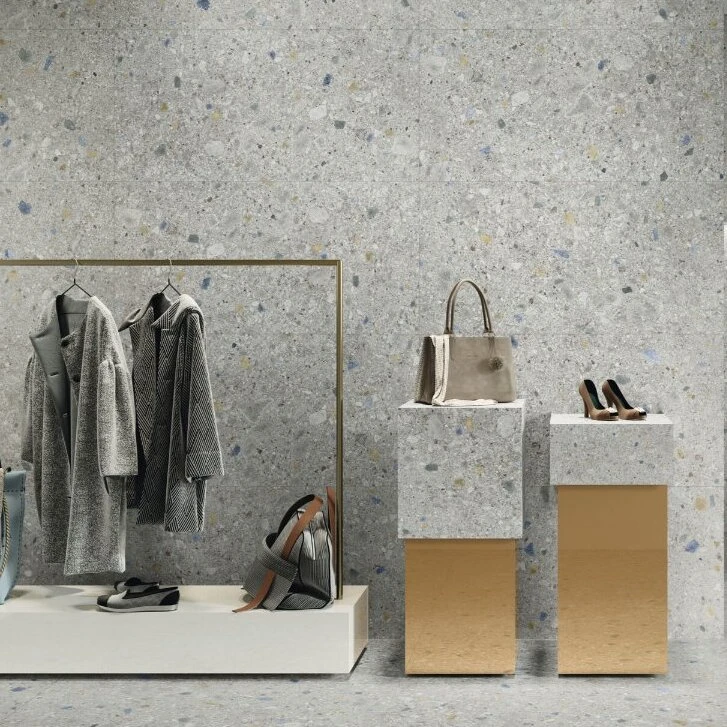
The color and pattern of your tile should guide your grout color choice. For intricate or patterned tiles, a matching grout can prevent visual clutter, while a contrasting grout can highlight simpler tile designs.
Room Size and Lighting
In smaller rooms or areas with limited natural light, matching grout can create a seamless look that makes the space feel larger. Conversely, contrasting grout can add interest in larger, well-lit spaces.
Maintenance and Cleaning
Lighter grout colors may show stains and dirt more easily, requiring more frequent cleaning. Darker grout colors can be more forgiving but may fade over time if not properly sealed.
Tile Material and Finish
Certain tile materials, like natural stone or glass, may require specific grout types and colors to prevent staining or to complement their unique finishes.
Tips for Selecting the Perfect Grout Color
-
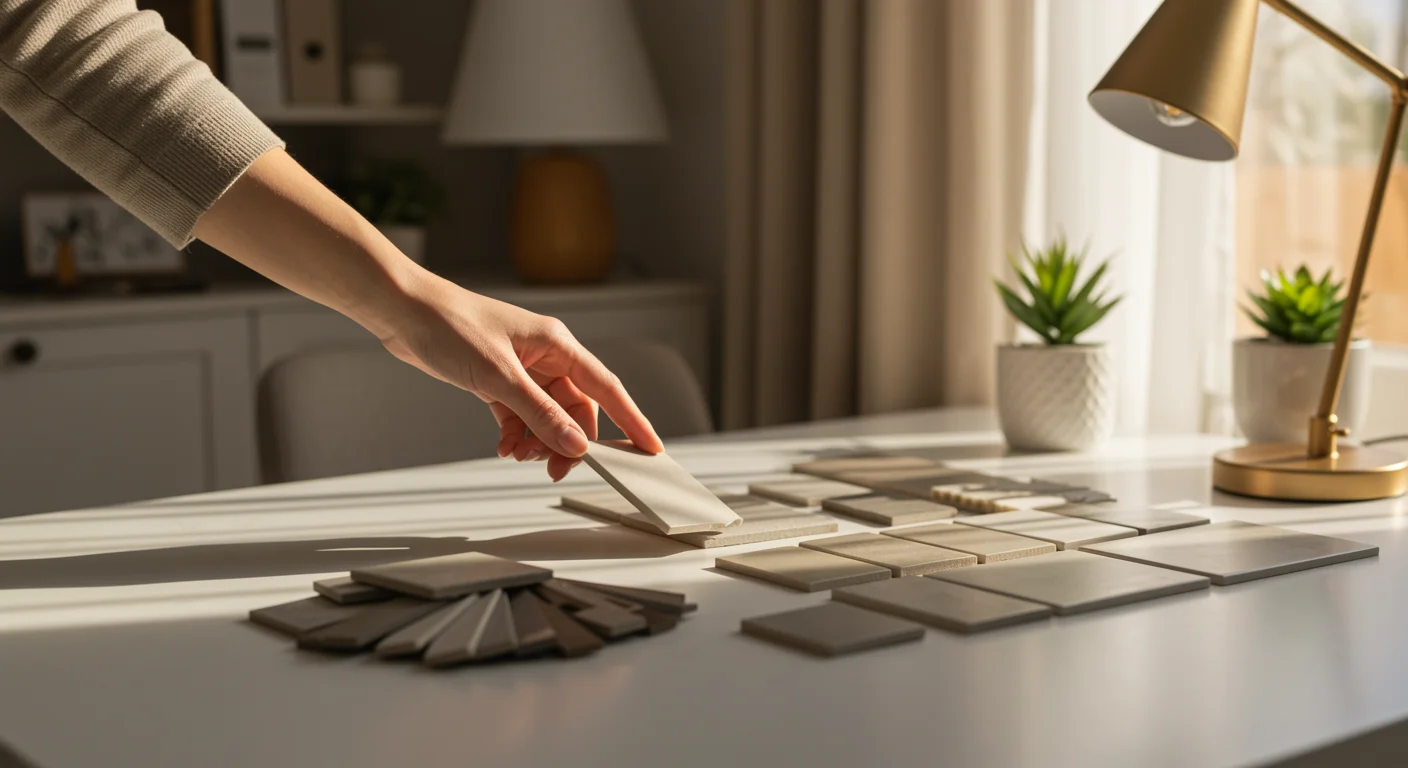
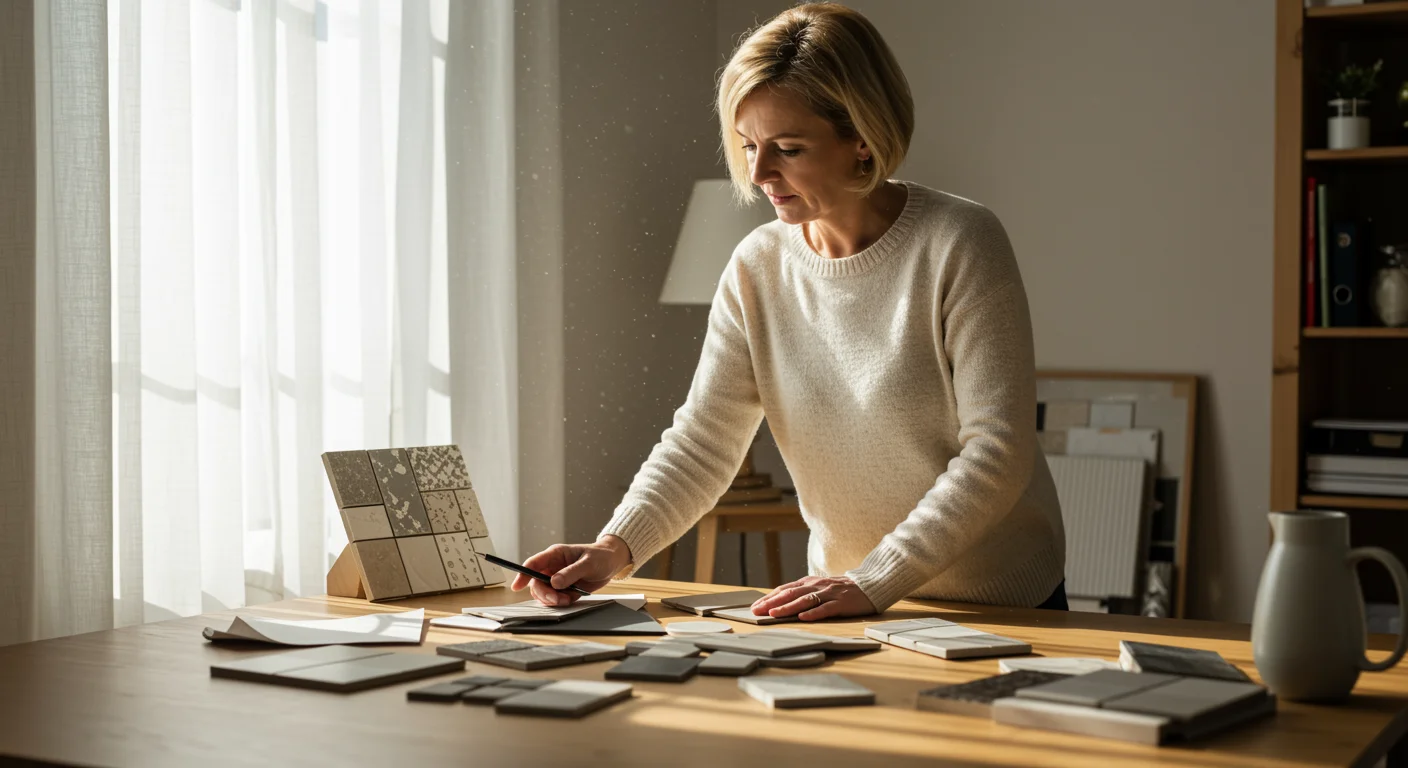
Test Samples: Always test grout samples with your chosen tile in the actual lighting of your space to see how they interact.
-
Consider the Overall Design: Think about how the grout color fits into the overall design scheme of the room, including wall colors, fixtures, and furnishings.
-
Consult Professionals: When in doubt, consult with design professionals or use online visualization tools to explore different grout and tile combinations.
Final Thoughts
Selecting the right grout color is a crucial step in your tile project that can significantly influence the final outcome. By considering factors like tile color, room size, lighting, and maintenance, you can choose a grout color that enhances your design and meets your practical needs. Remember, grout is not just a filler; it’s a design element that, when chosen thoughtfully, can elevate the beauty and functionality of your space.
Shop Tile Decor's Collection
At Tile Decor, we offer a wide range of grout colors and types to suit every design preference and project requirement. Browse our selection to find the perfect match for your tiles and bring your vision to life.
Common FAQs
Can I change the grout color after installation?
Yes, grout color can be changed using grout colorants or by regrouting, though the latter is more labor-intensive.
Does grout color affect the perceived size of a room?
Matching grout can create a seamless look, making a room appear larger, while contrasting grout can define tile patterns, potentially making a space feel more segmented.
How do I maintain grout color over time?
Regular cleaning and sealing can help maintain grout color and prevent staining or discoloration.
Are there grout colors that are easier to maintain?
Mid-tone grouts, like gray or beige, tend to show less dirt and require less maintenance compared to very light or very dark grouts.
Should grout color match the tile or the room's color scheme?
It depends on the desired effect. Matching the tile creates a uniform look, while coordinating with the room’s color scheme can tie the design elements together.
How do I calculate the number of tile boxes needed?
Once you know the total number of tiles required, divide that by the number of tiles per box (as specified by the manufacturer) to determine how many boxes to purchase.